






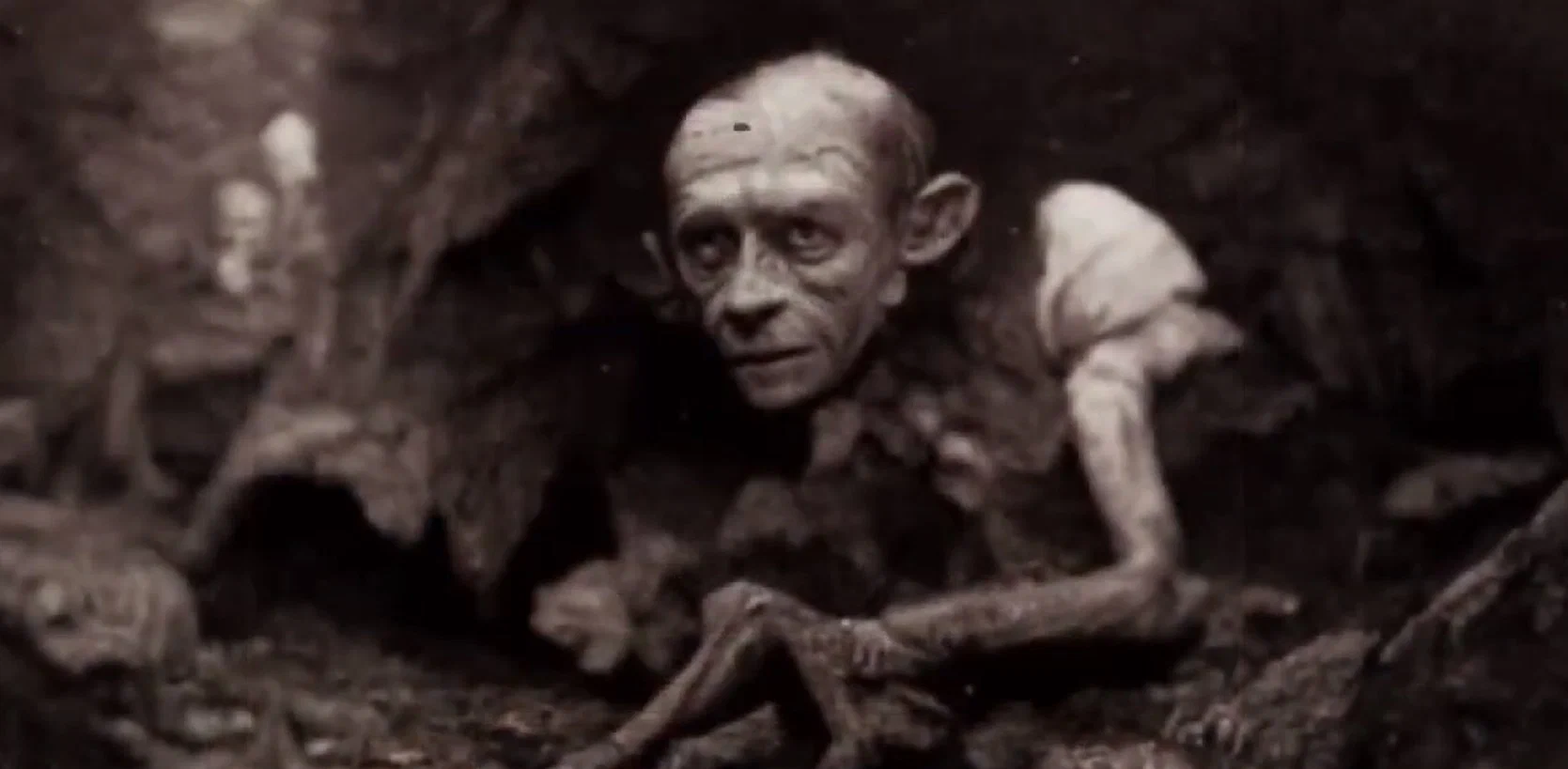
The photographs arrived in the historical record in 1973.
Speleologists mapping the deeper tunnel systems of Mammoth Cave in Kentucky recovered a battered photograph album from a passage that had not been surveyed in living memory. The album’s physical condition was consistent with approximately seventy years of cave storage. Its contents, if the accounts of those who saw it are accurate, were not consistent with anything the conventional account of what exists beneath the Earth’s surface would predict.
The individual who brought the album out, the archive that received it, and the classification designation it was given, are not in the accessible public record. The photographs themselves are in circulation in the anomalous research community without a verifiable chain of custody establishing their origin, their date, or the identity of whoever took them.
This is the honest evidentiary status of the Bartholomew material. The expedition is not recorded in the historical record in ways that would be expected for a significant scientific venture of 1903, when newspapers, business records, and scientific society archives recorded expeditions of far less ambition than a journey to the center of the Earth. Sir Henry Francis Bartholomew Ignacio Stevens III does not appear in the business, philanthropic, or social records of early twentieth-century America.
What is real is the novel that allegedly guided the expedition, the cave system through which it allegedly passed, and the broader evidence base for what the Inner Earth tradition claims exists beneath the surface. The Bartholomew expedition is either the most significant scientific event of the twentieth century whose documentation was completely suppressed, or it is a constructed narrative built around real photographs of unknown origin and a real novel with genuine esoteric significance.
The photographs are strange. The novel is real. The cave system is the longest on Earth. The Inner Earth evidence comes from sources that require no unverified expedition to establish it.
Etidorpha and John Uri Lloyd
The novel that allegedly contained the map the Bartholomew expedition followed is real and significant in its own right.
John Uri Lloyd was not a science fiction writer in the generic sense. He was a practicing pharmacist, a Fellow of the American Pharmaceutical Association, and one of the most respected botanical chemists in the United States at the turn of the twentieth century. His pharmaceutical textbooks were standard references. His knowledge of plant chemistry was genuine and extensive. He was not a man given to idle fantasy.
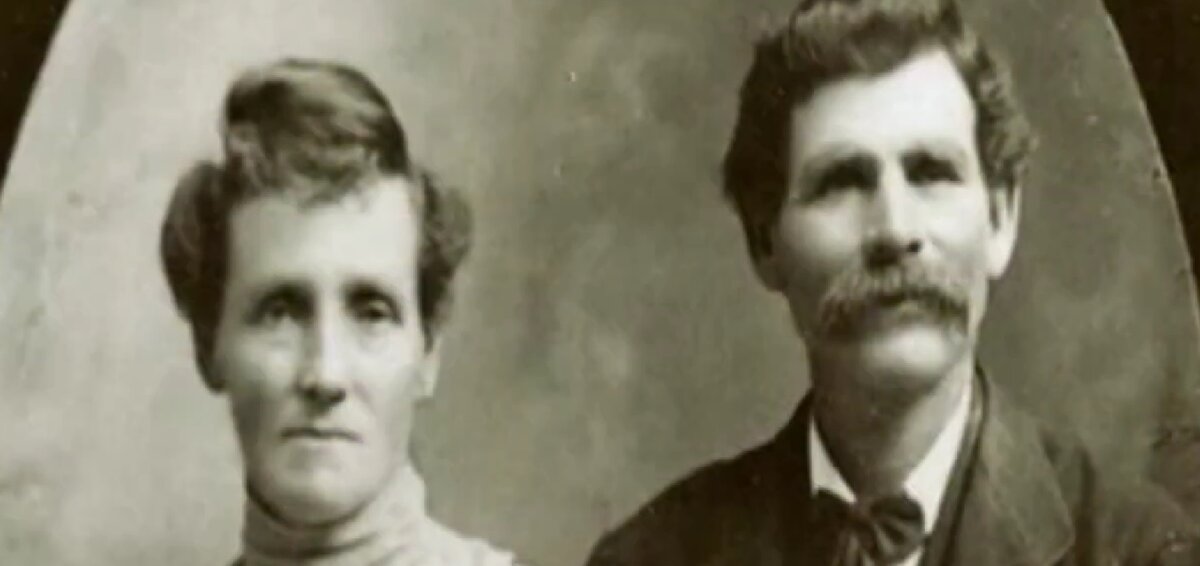
Etidorpha, or the End of the Earth was published in 1895 and presented as the transcription of an account given to Lloyd by a man who claimed to have been taken into the Earth by a guide from an underground civilization. The novel’s subtitle, The Strange History of a Mysterious Being and the Account of a Remarkable Journey, accurately describes its character: it is presented not as fiction but as a recorded account of a real experience that Lloyd’s narrator had been sworn to keep secret for a specified period before transmitting it.
The novel’s descriptions of underground geography are in ways that distinguish them from the generic hollow Earth fiction of the period. Jules Verne’s Journey to the Center of the Earth, published in 1864, describes a geological descent through recognizable rock formations. Lloyd’s Etidorpha describes something different: a passage through a transition zone where the conventional physics of the surface world gradually cease to apply, where gravity changes its character, where light exists without a source, where the atmosphere has different properties than surface air, and where the guide’s explanations of what is happening draw on a physical framework that the narrator cannot fully comprehend.
Whether Lloyd was writing science fiction with unusual specificity, transmitting a genuine account from a source whose identity he protected, or drawing on an esoteric tradition that described the inner Earth experience in terms his pharmacological training gave him unusual precision to convey, the text is more and more internally consistent than the hollow Earth genre typically produces.
The map within the novel describes passages from Mammoth Cave that speleologists of 1895 had not mapped. Mammoth Cave’s known extent at that date was significantly smaller than its current mapped extent, which at over 650 kilometers of surveyed passage makes it the longest known cave system in the world. Whether the passages Lloyd described correspond to passages subsequently discovered, or whether the correspondence claimed in the Bartholomew narrative is itself unverified, is a question the comparison of Lloyd’s text against the post-1973 survey records could address.
Mammoth Cave and What It Contains
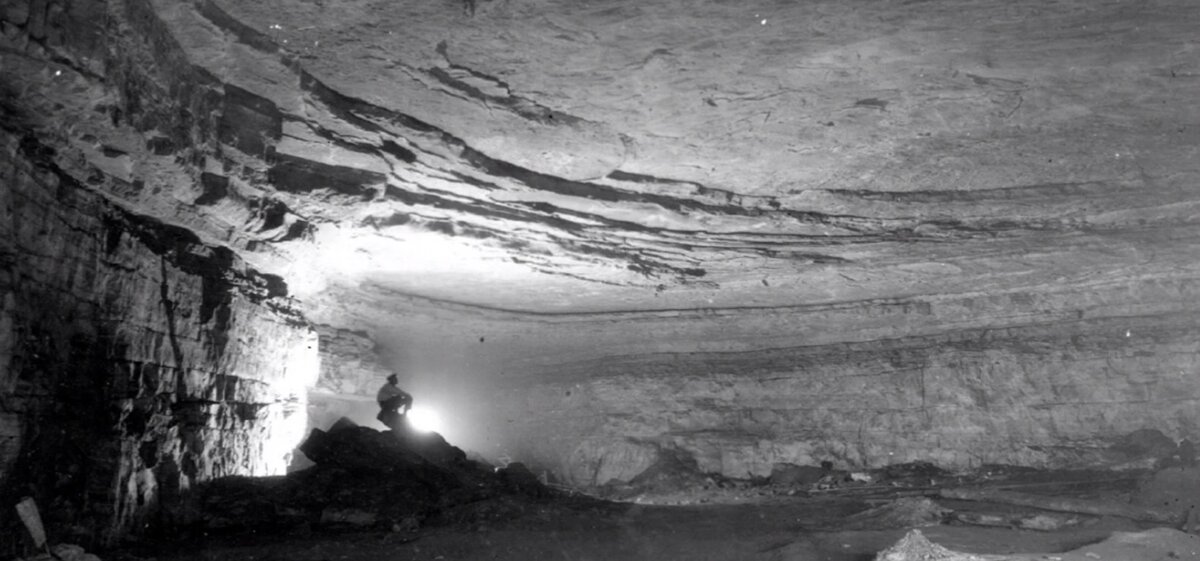
The Mammoth Cave system appears in ways that make it the most plausible candidate on the North American continent for a passage to whatever lies deeper than the conventional geological account places.
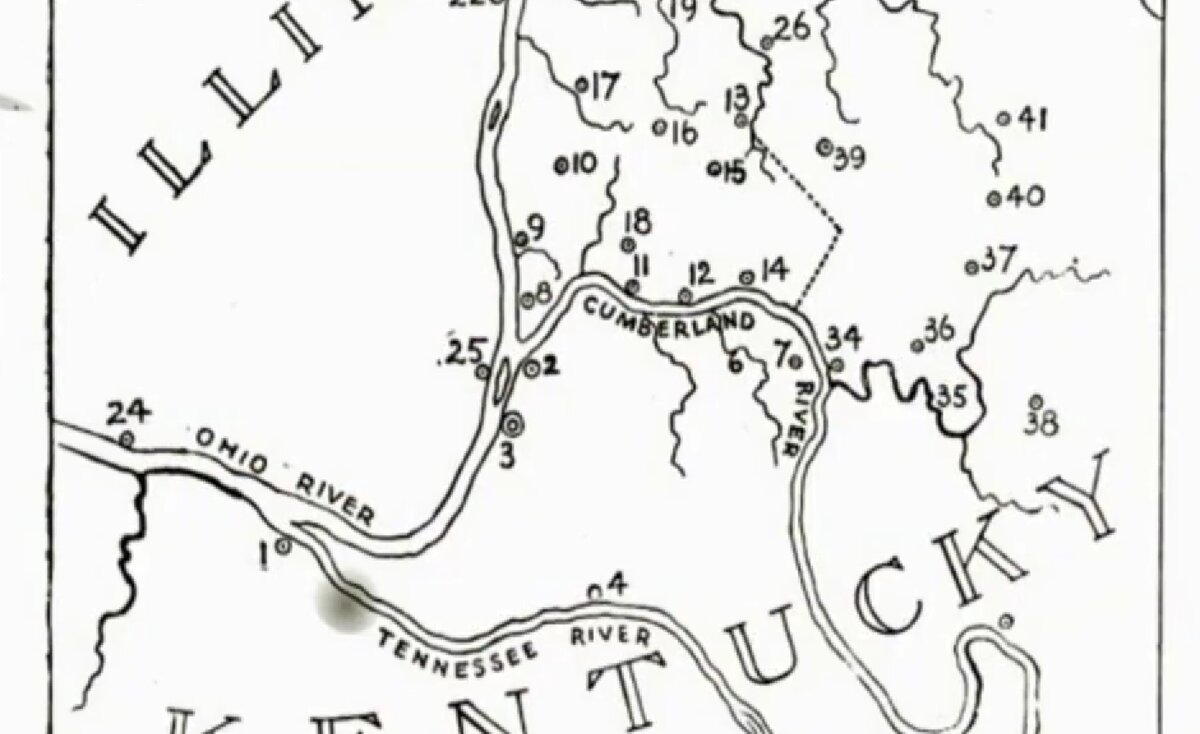
The cave system’s current mapped extent of over 650 kilometers represents what has been surveyed. The surveys consistently reveal new passages: the New Entrance discovered in 1921 connected to the main system and dramatically extended the known network. The Flint Ridge Cave System, mapped extensively in the 1950s and 1960s, was connected to Mammoth Cave in 1972, producing the single largest cave system in the world overnight by merging what had been thought to be separate systems.
The 1972 connection is the discovery context in which the Bartholomew photograph album is alleged to have been found the following year, in the newly accessible passages that the Flint Ridge connection opened to systematic mapping. Whether this timing is factual or is a detail constructed to make the discovery narrative plausible is not established by the available record.
What the Mammoth Cave surveys have established is that the cave system extends into geological formations whose lower extent has not been determined. The karst limestone in which Mammoth Cave developed is approximately 600 meters thick, and the cave passages so far surveyed represent only the upper portion of this formation. The hydrological system that created the caves, the Green River and its underground tributaries, extends below the surveyed passages to depths that systematic mapping has not reached.
Whether the karst system connects at depth to geological formations whose extent and character differ from the mapped upper passages, and whether those deeper formations connect to anything whose character the conventional geological account does not encompass, is a question the cave’s known extent makes genuinely open rather than obviously closed.
The Inner Earth Evidence That Does Not Require the Bartholomew Expedition
The Inner Earth piece in this library covers the multi-tradition evidence base for inhabited subsurface regions whose existence does not depend on the Bartholomew photographs for its evidentiary foundation.
The Tibetan Buddhist tradition’s description of Agartha, the Sanskrit Patala tradition’s description of the Naga kingdoms, the Hopi tradition’s account of previous worlds accessed through sipapu openings in the Earth, and the Sumerian cosmological tradition’s description of the Abzu, the underground water realm of Enki, all describe subsurface inhabited regions whose traditions are recorded across independent cultures with no contact with each other.
The physical evidence includes the known anomalies of cave biology: entire ecosystems in caves completely disconnected from the surface that have been evolving in isolation for millions of years, producing species with no surface counterparts whose adaptations, loss of pigmentation, loss of eyes, development of enhanced chemical and mechanical sensing, reflect evolutionary trajectories driven by the conditions of deep cave environments. The cave systems whose biology has been studied most extensively represent a tiny fraction of the planet’s total subsurface volume.
The Movile Cave in Romania, discovered in 1986 and sealed from the surface for approximately five million years, contains an entire ecosystem of approximately forty-eight species found nowhere else on Earth, sustained entirely by chemosynthetic bacteria that derive energy from hydrogen sulfide rather than from solar energy. The ecosystem’s existence demonstrates that complex biological communities can be sustained in complete isolation from the surface in conditions that support significant biological diversity.
Whether what exists in the deeper, less-surveyed portions of the world’s cave systems, in the hydrothermal environments of deep geological formations, and in the passages that surface surveys have not reached, includes the kinds of communities that the Inner Earth traditions describe, is a question that the known scale of the unexplored subsurface environment makes genuinely open.
The Bartholomew photographs, whatever their actual origin and content, are being circulated as evidence for something that the recorded traditions and the known biology of deep cave environments make plausible without them.
The version of this story that circulates most widely adds details that do not hold up: that skeletal remains of expedition members, including a photographer still clutching the album, were found alongside the photographs, and that the material was subsequently held in the US National Archives under a secrecy classification before being released. Neither claim is supported by anything in the accessible historical or archival record. No National Archives holding matching this description has been identified, and no account of the 1973 discovery beyond the photograph album itself has been corroborated. These additions are the kind of narrative embellishment that accumulates around an already unverified story with each retelling, and they should be treated as part of the legend rather than as established fact.
What the Photographs Show and What They Cannot Prove
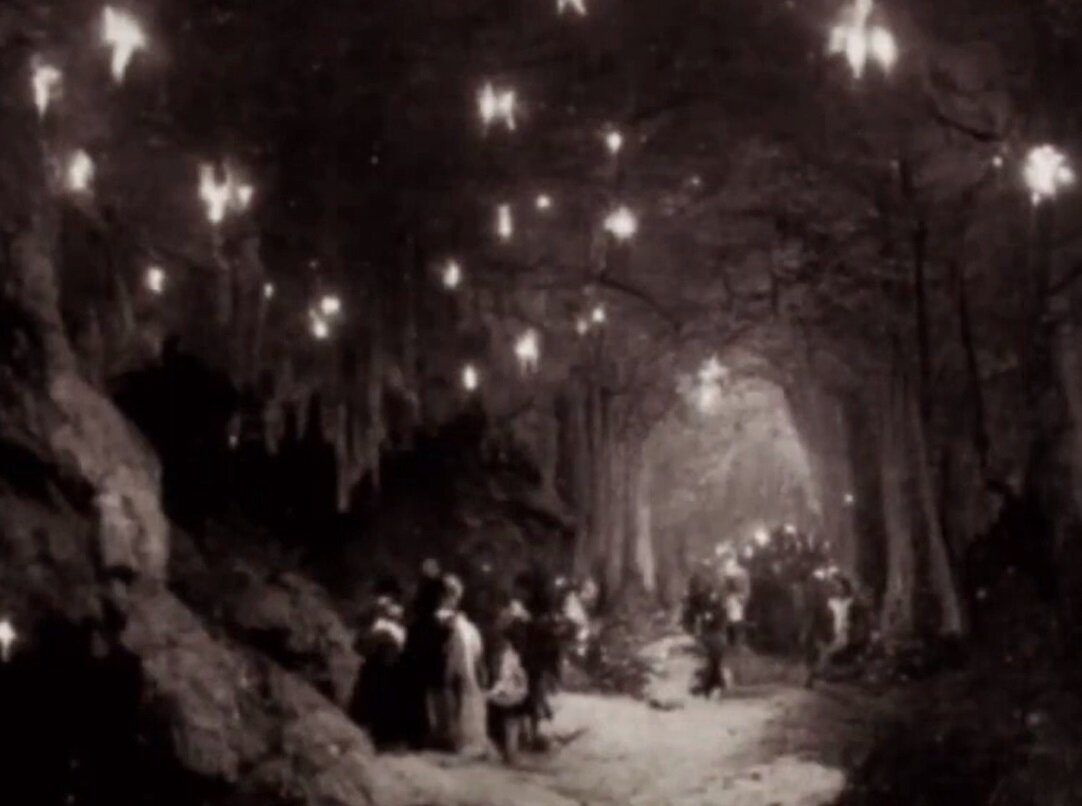
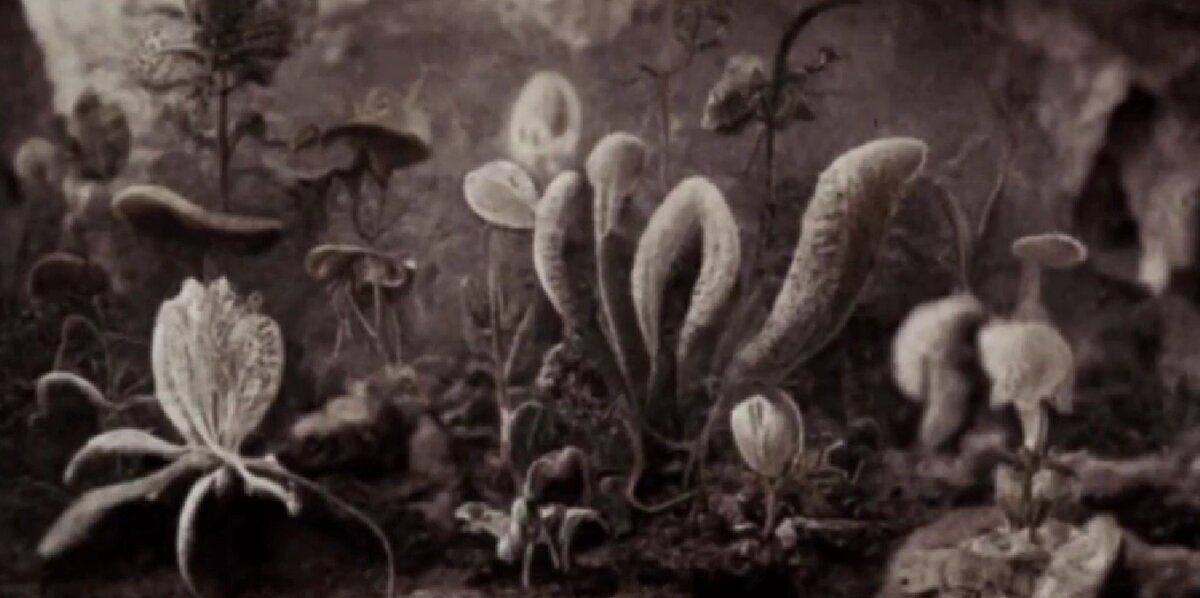
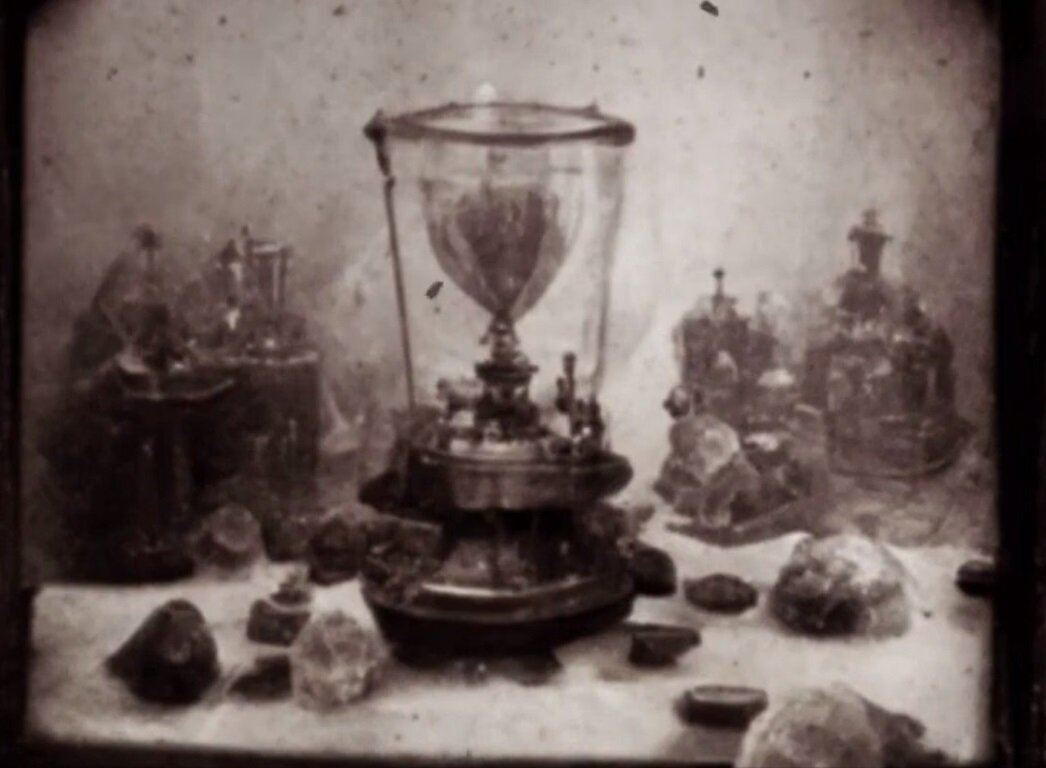
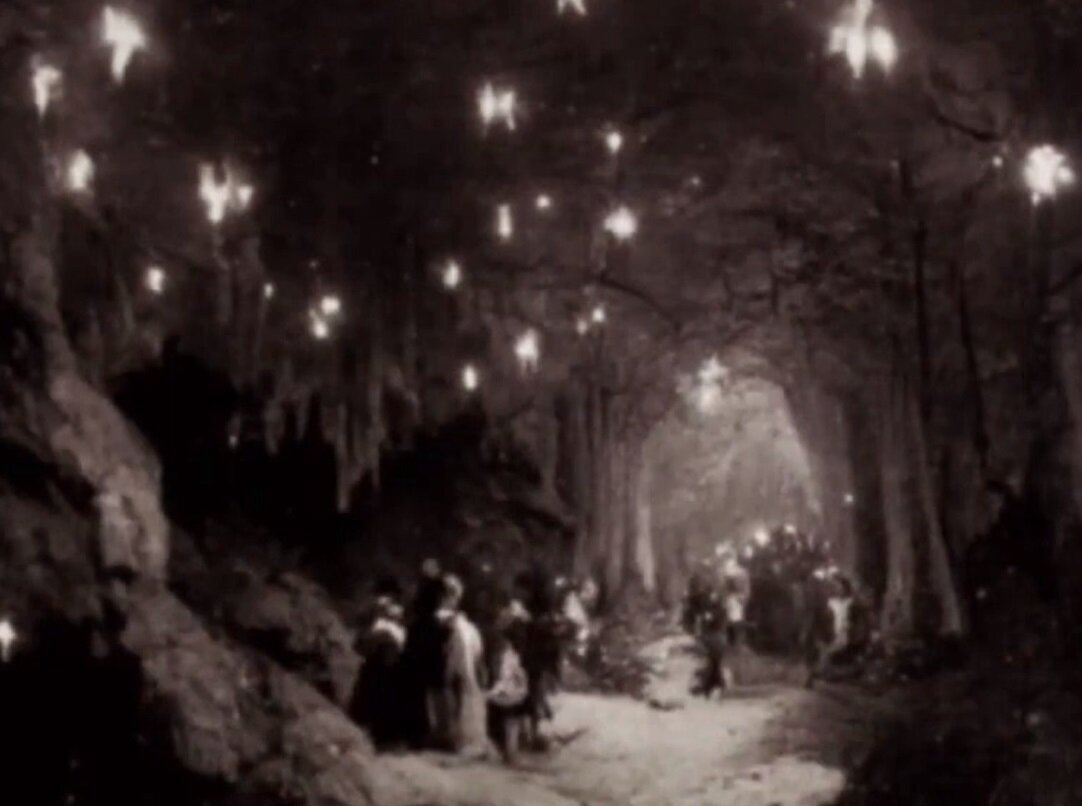
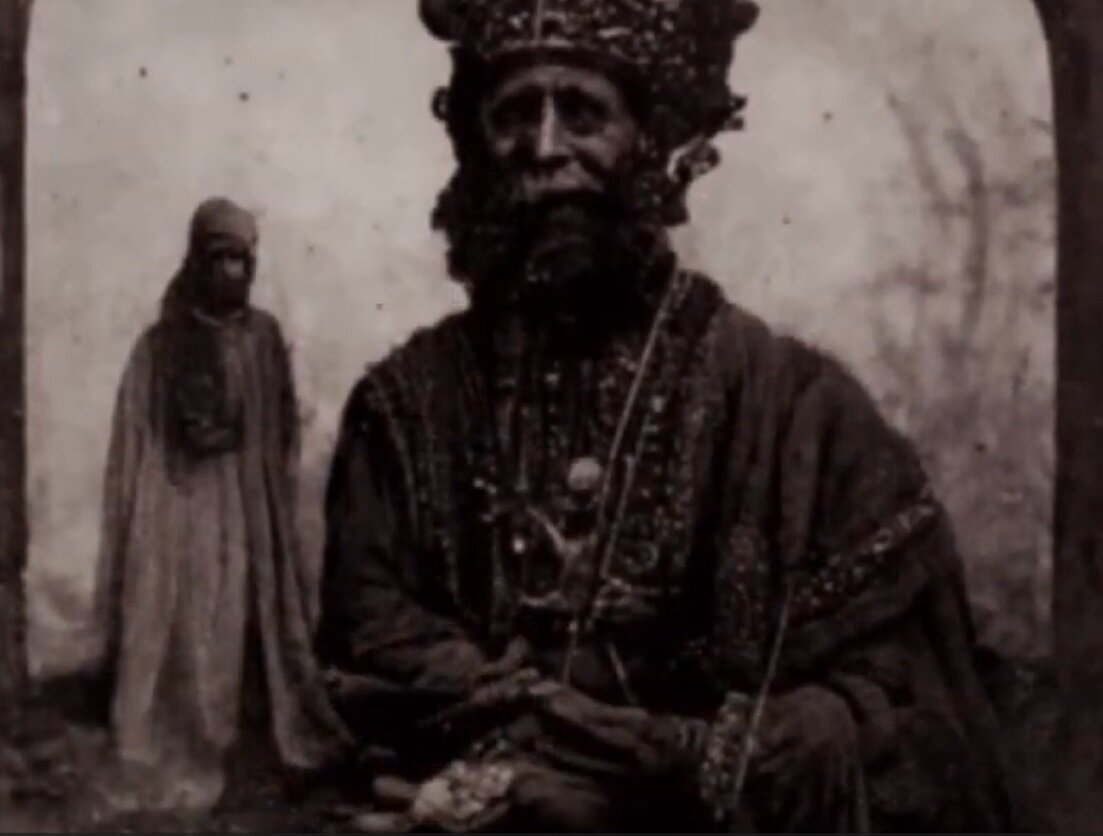
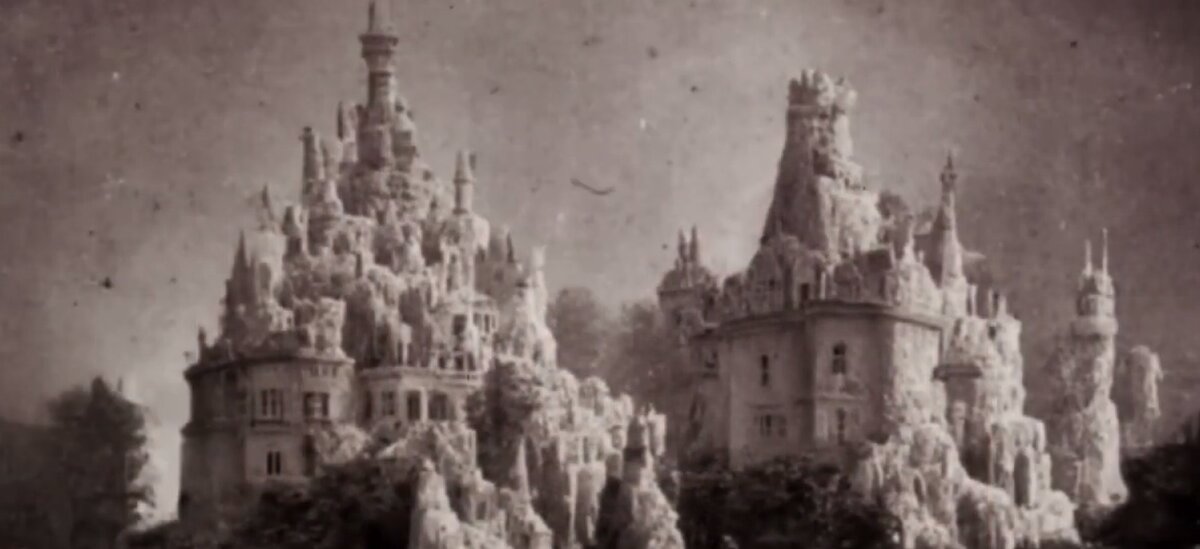
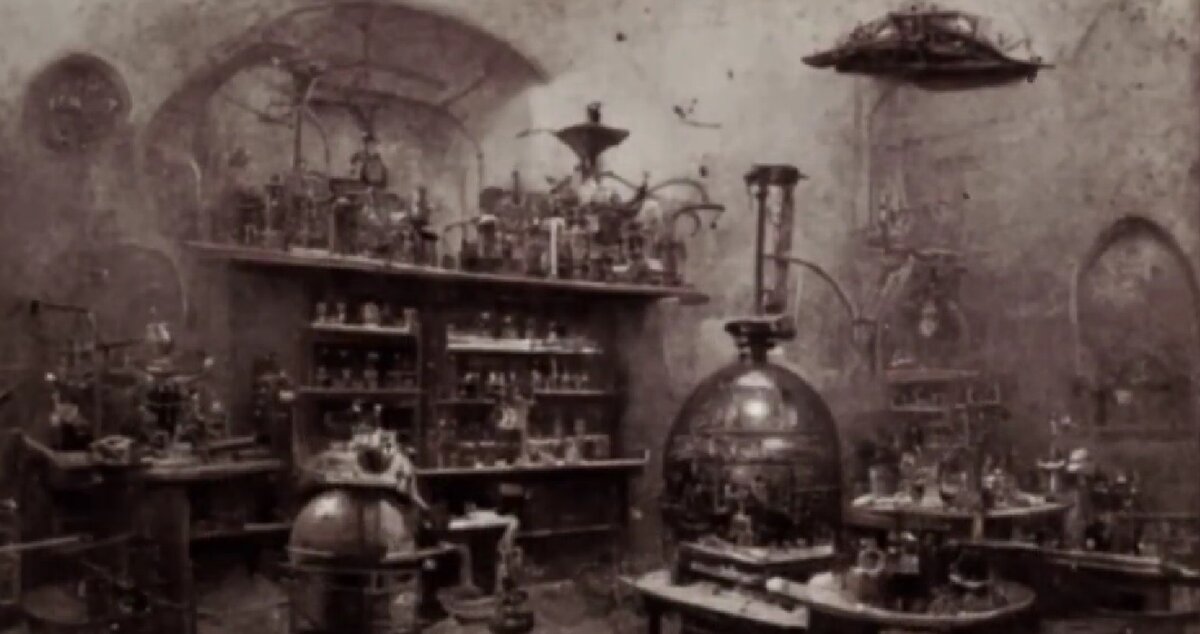
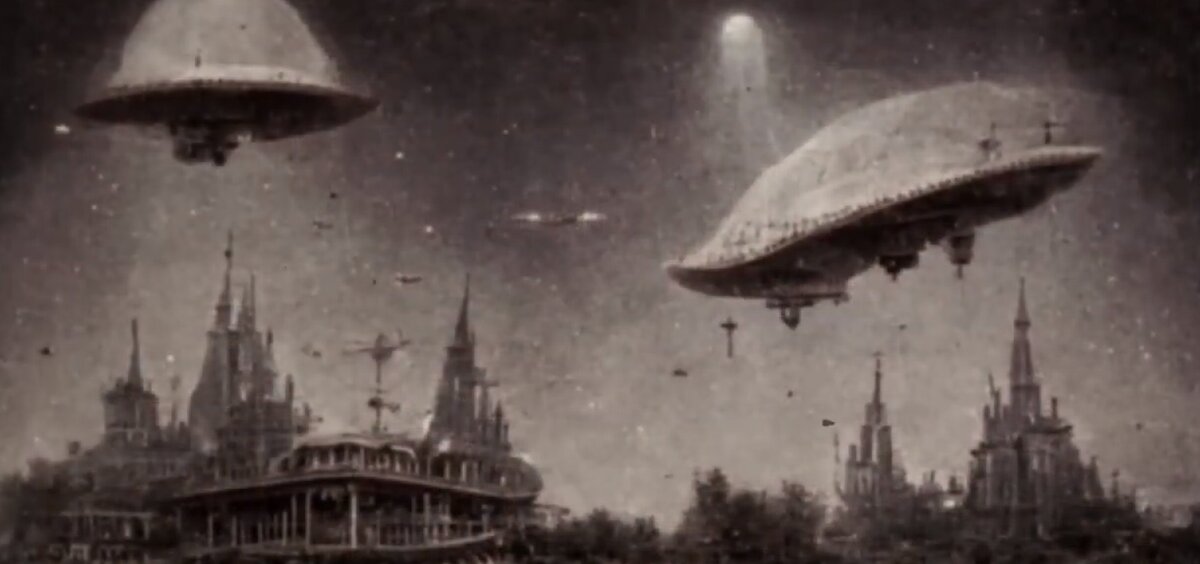
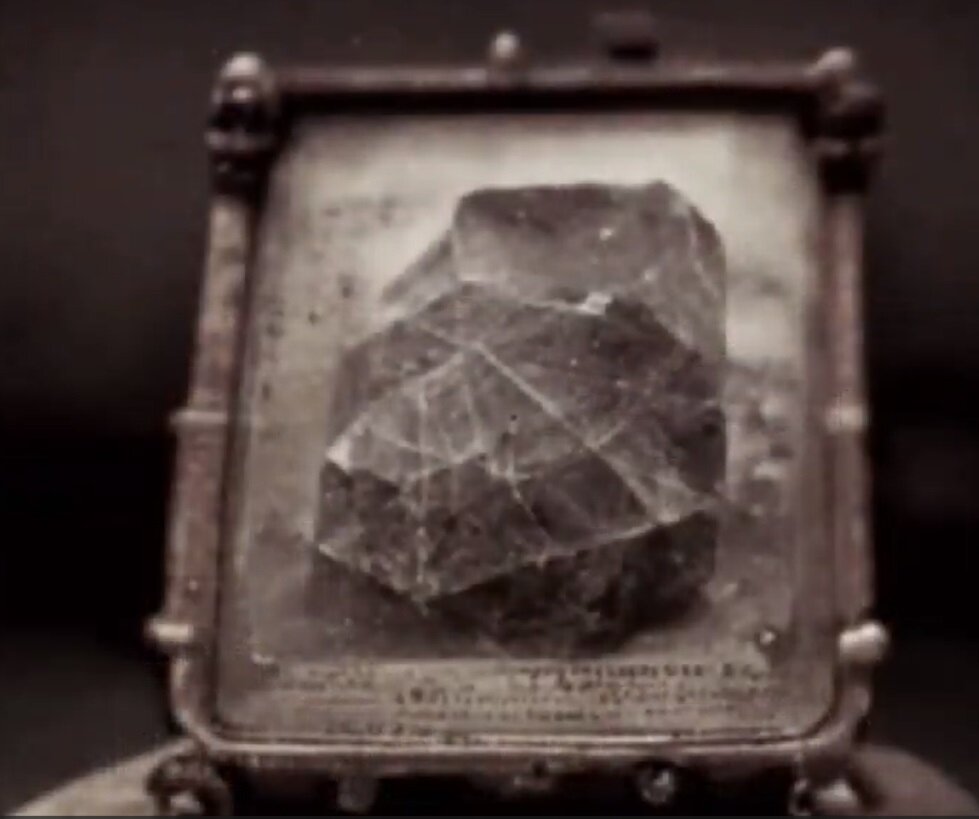
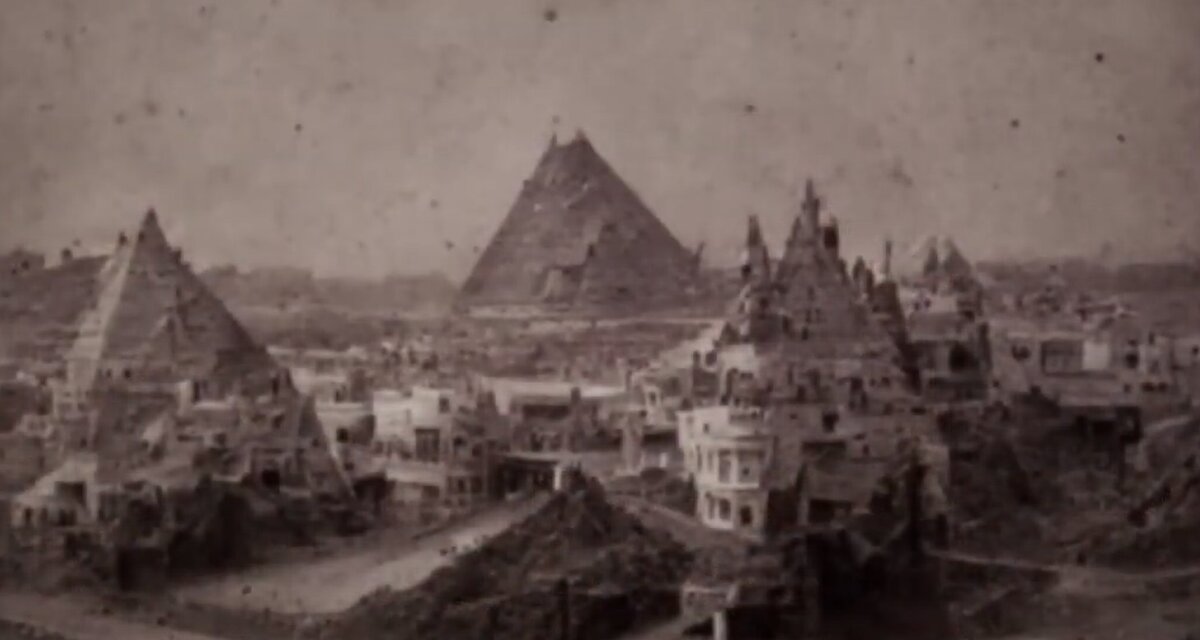
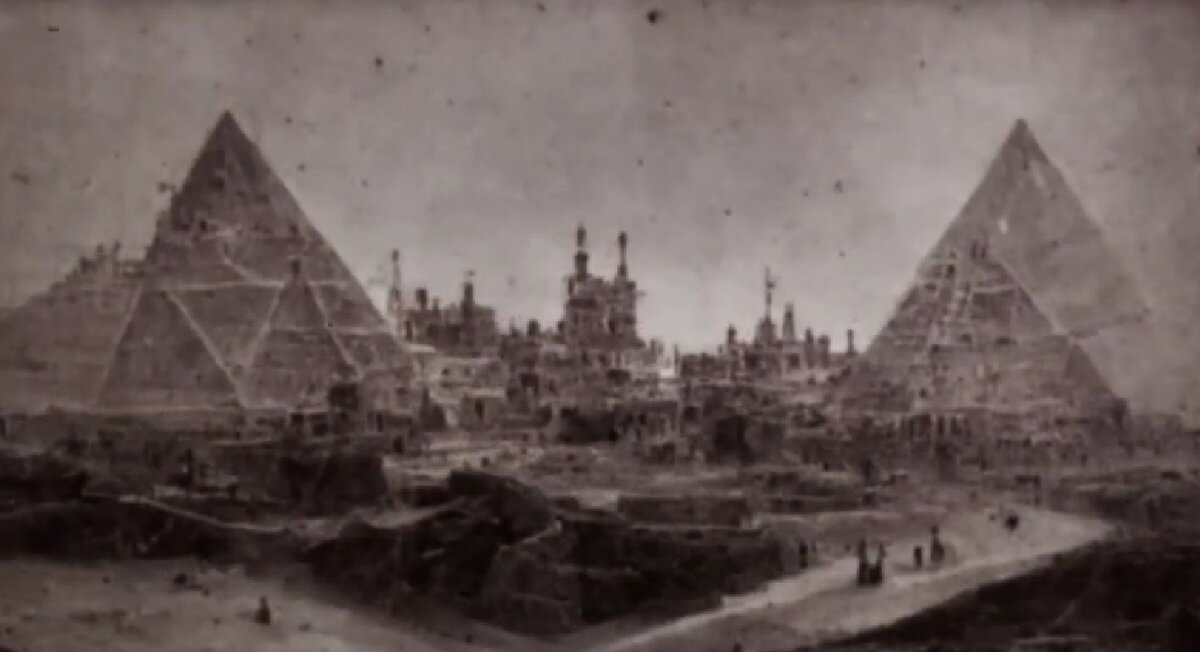
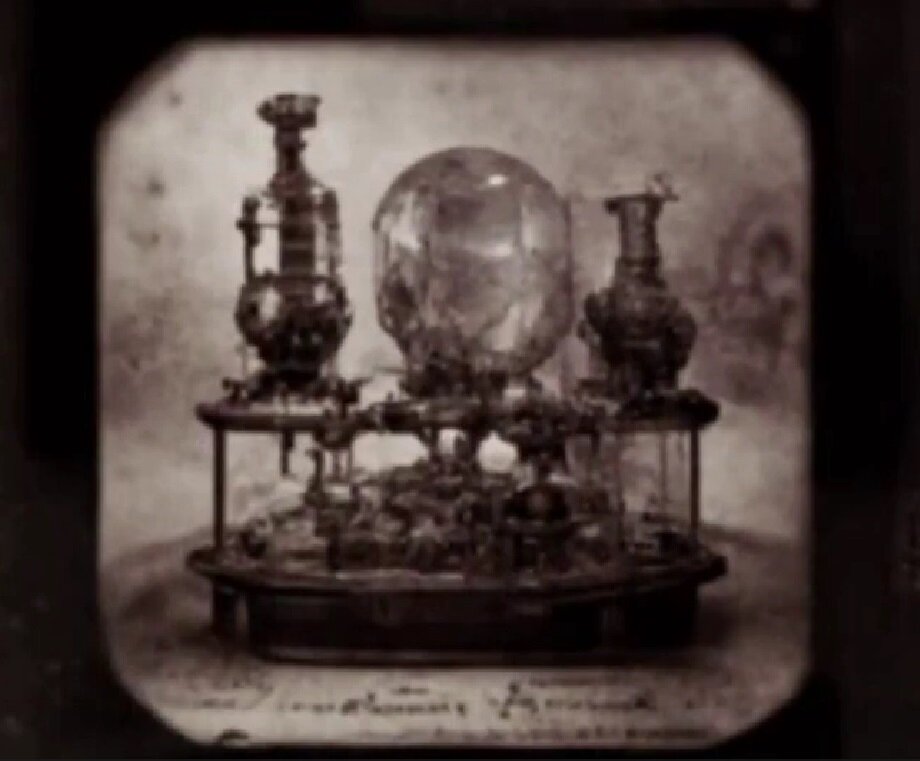
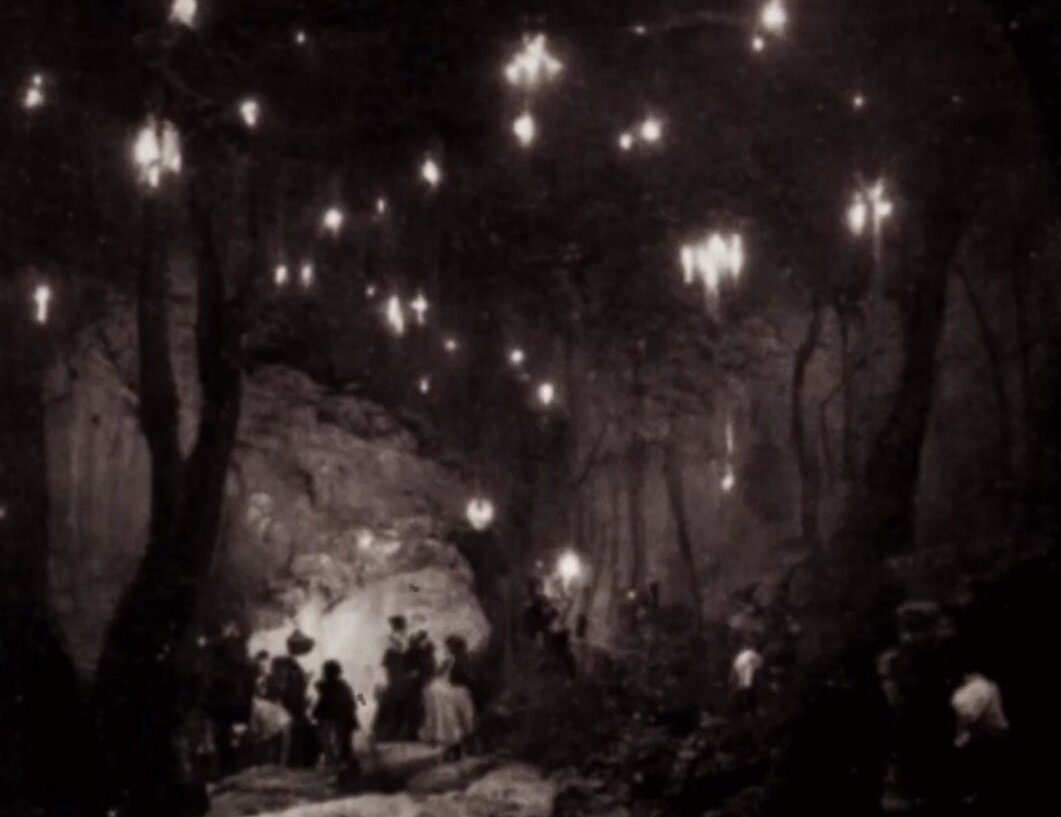
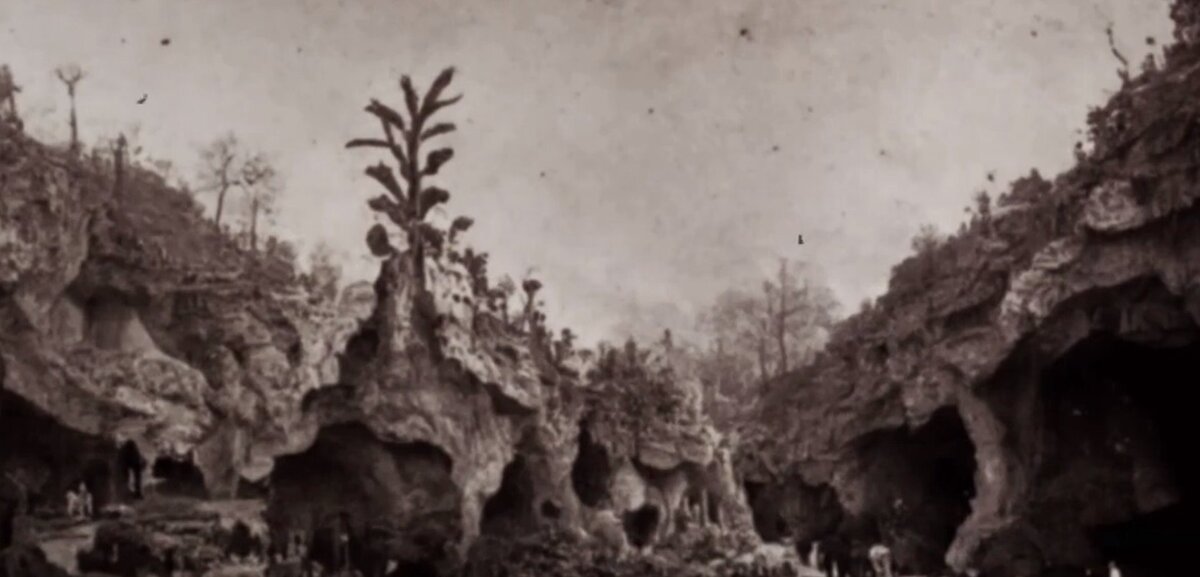
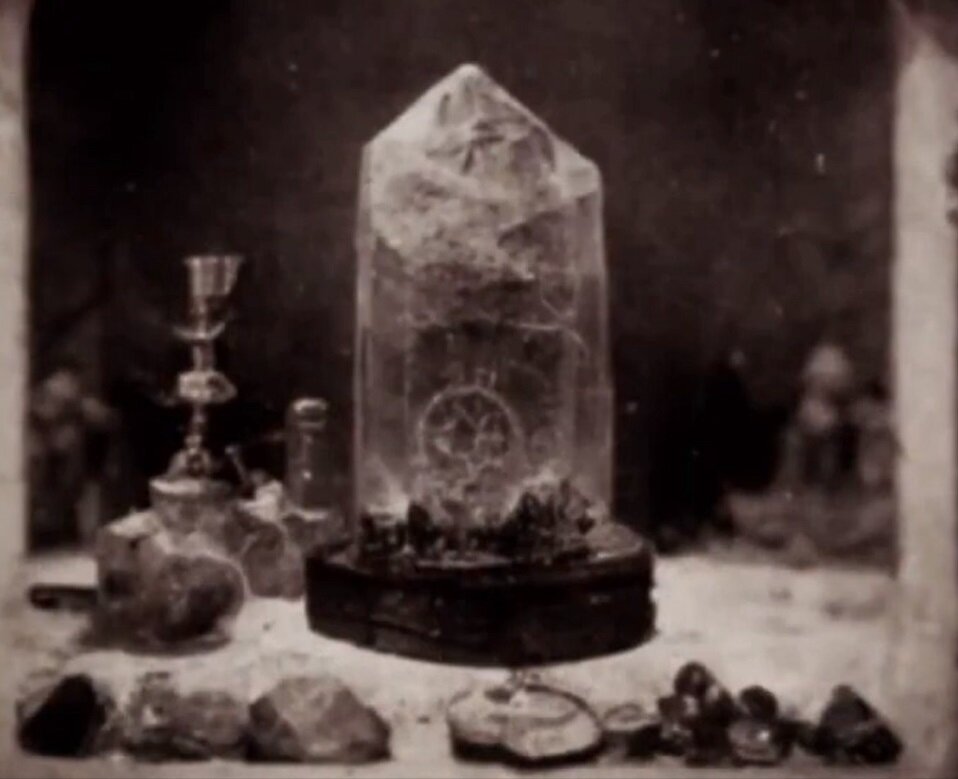
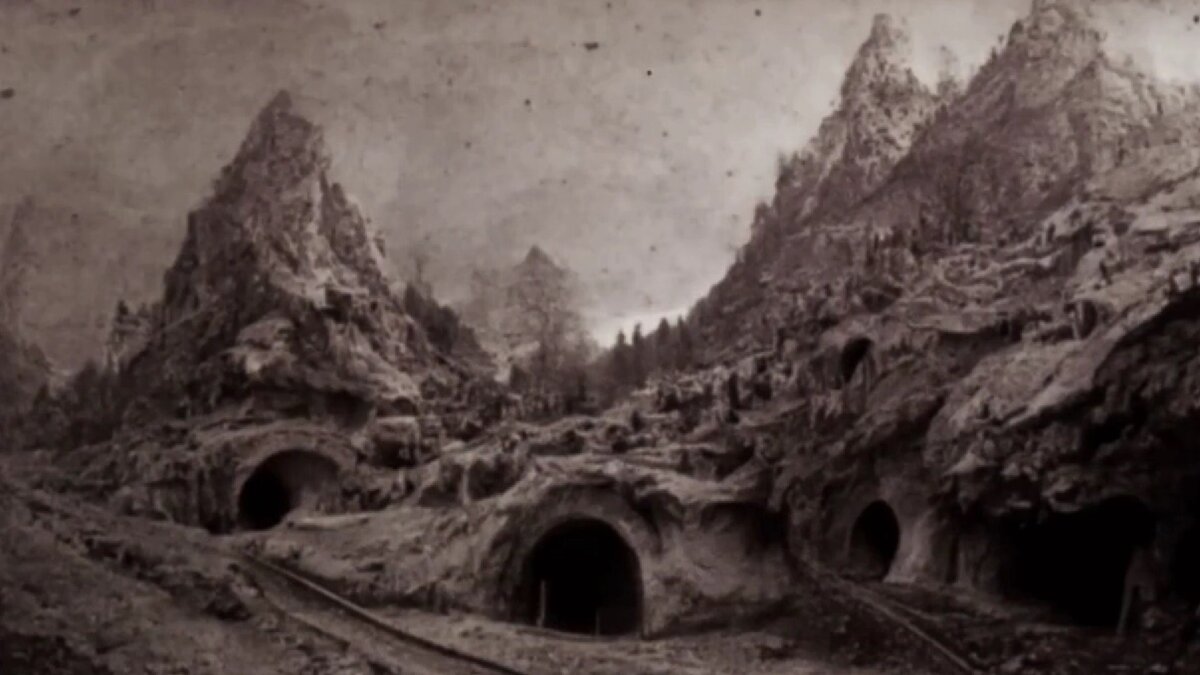
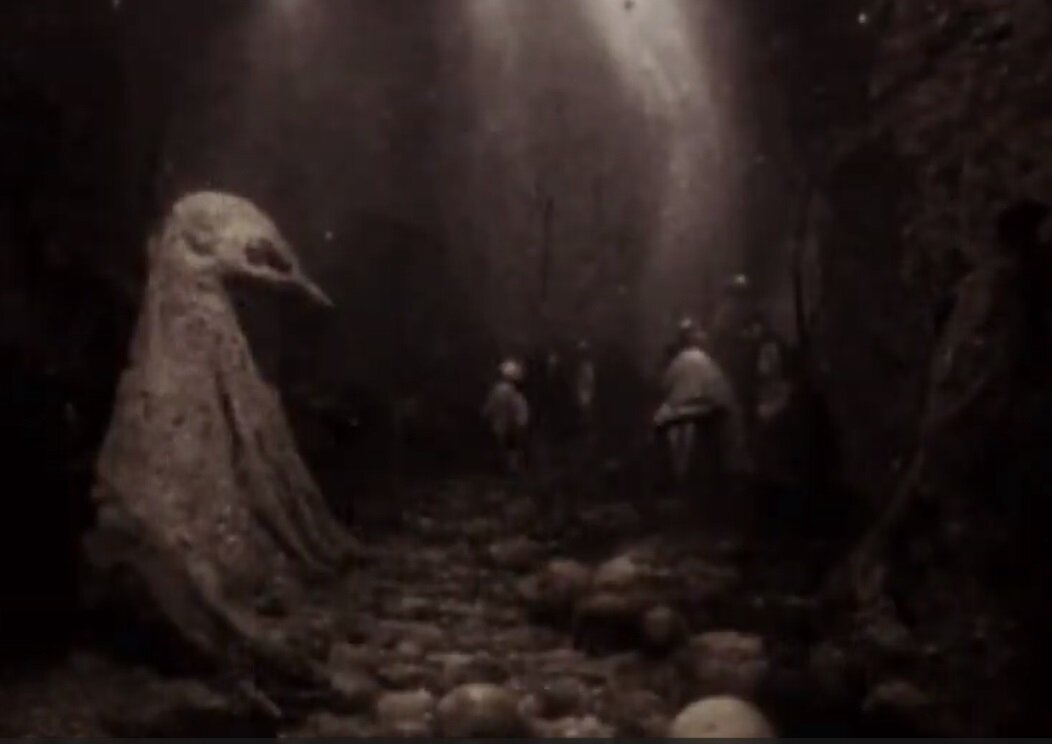
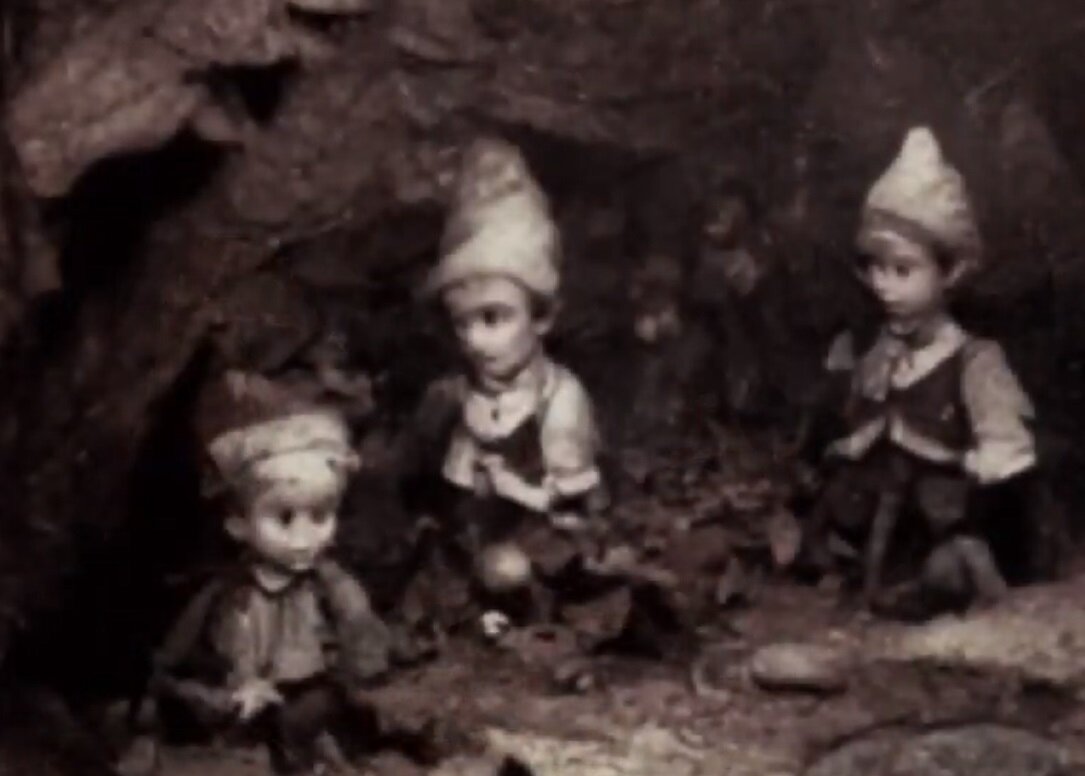
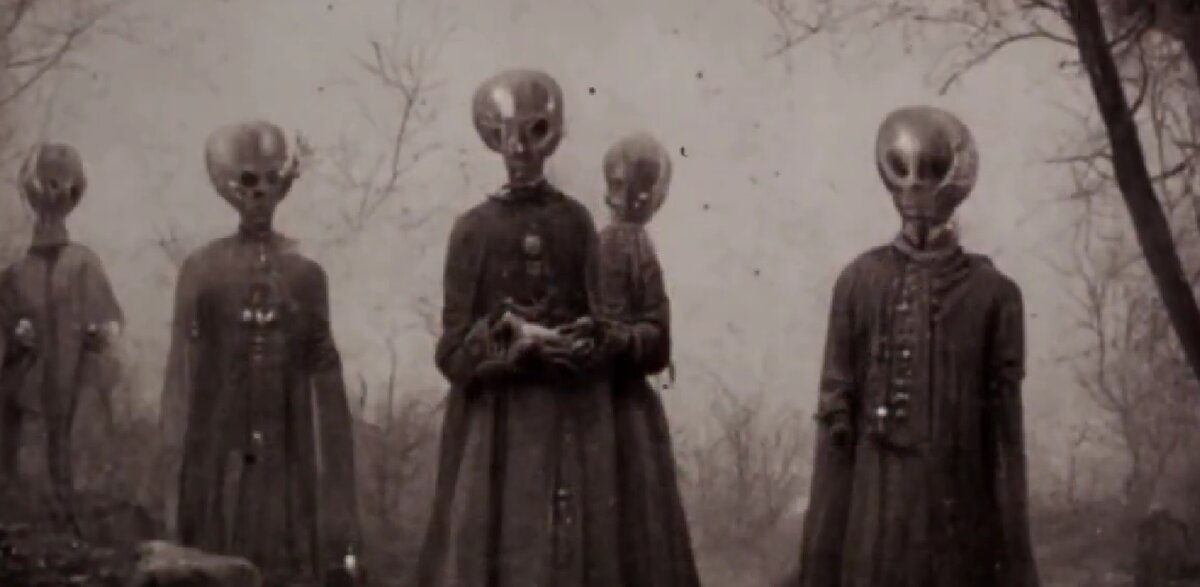
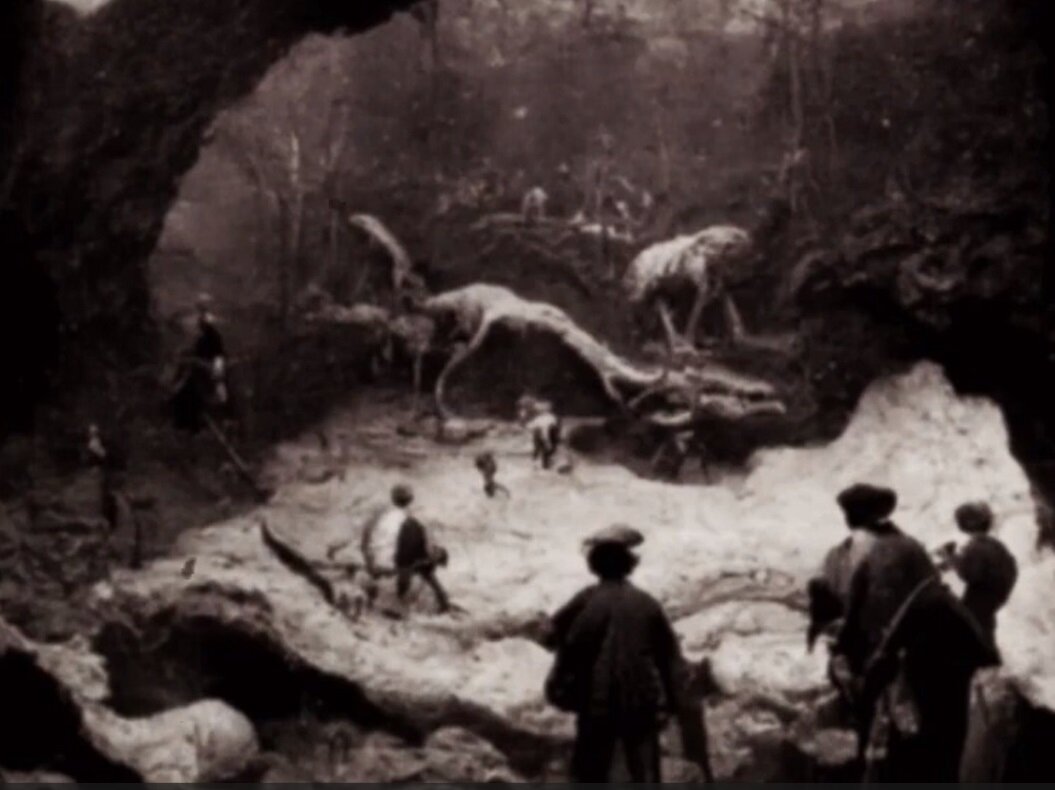
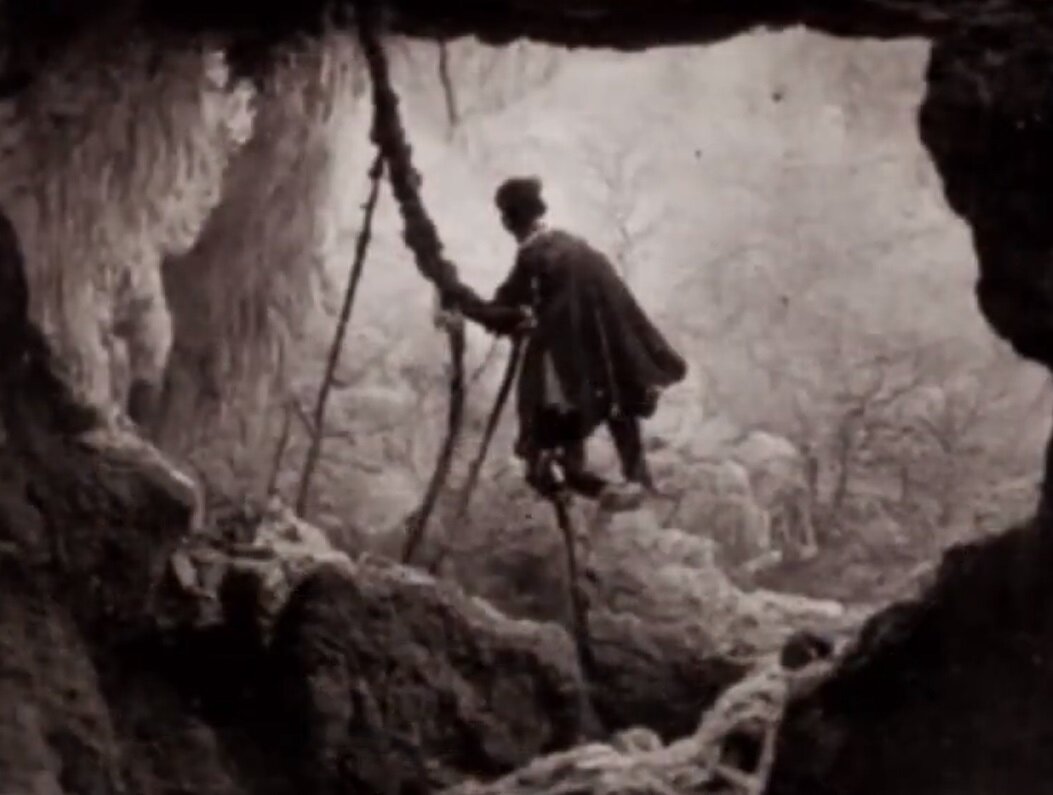
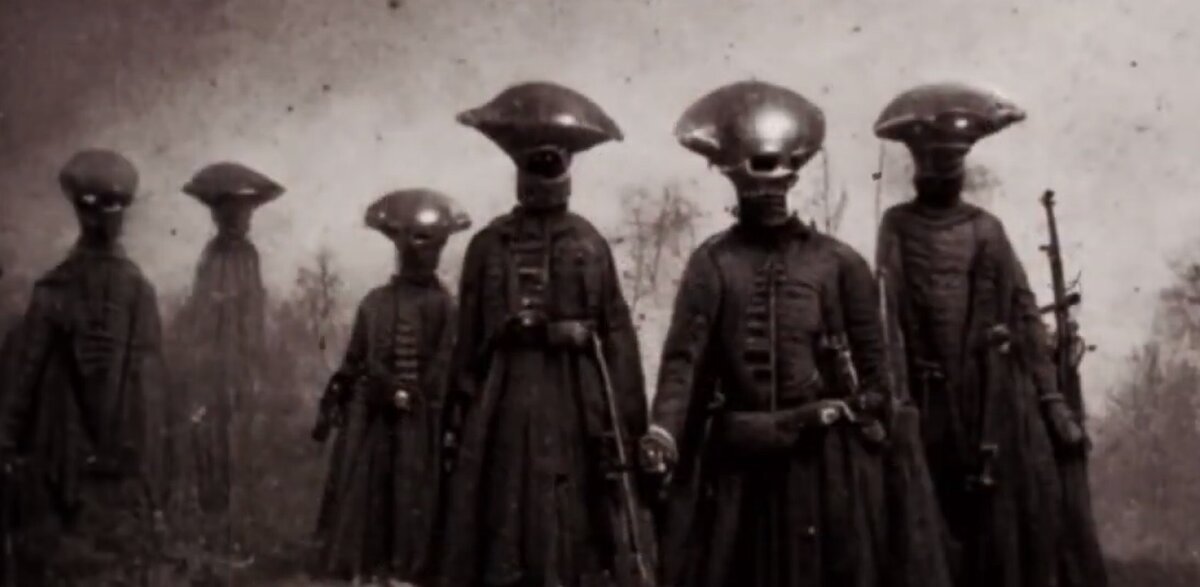
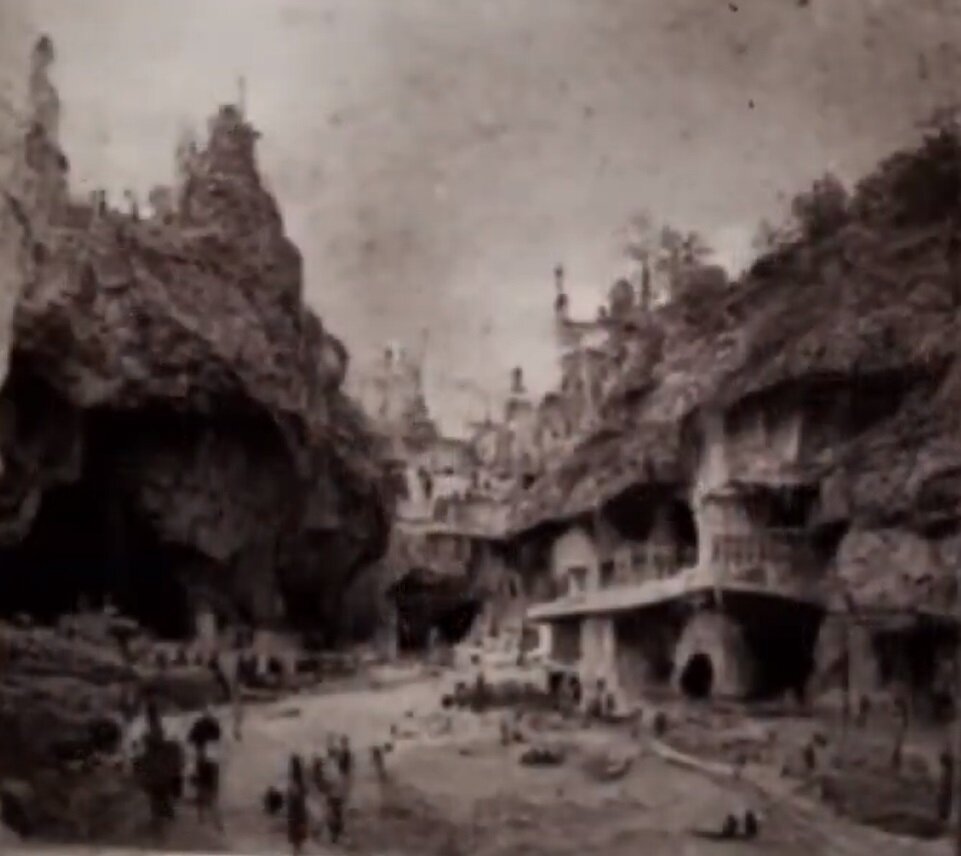
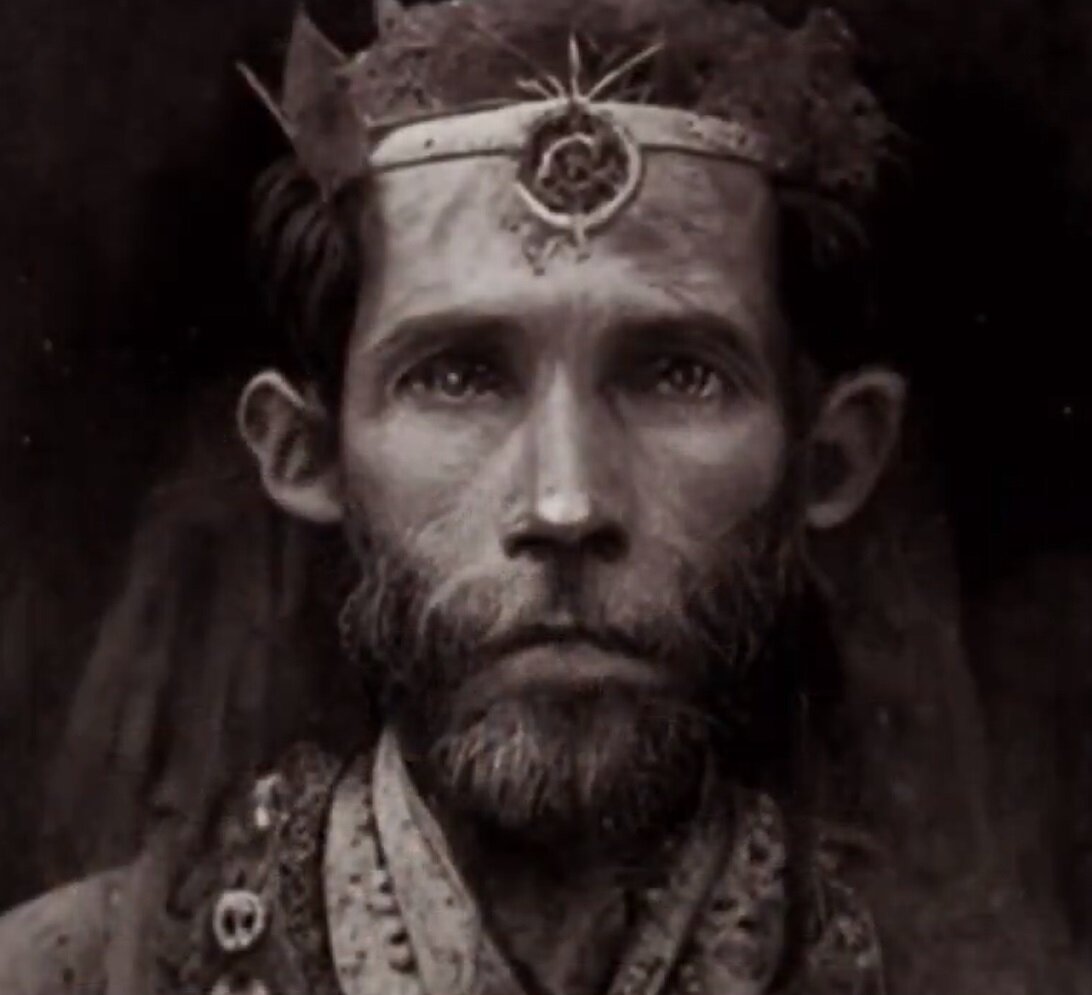
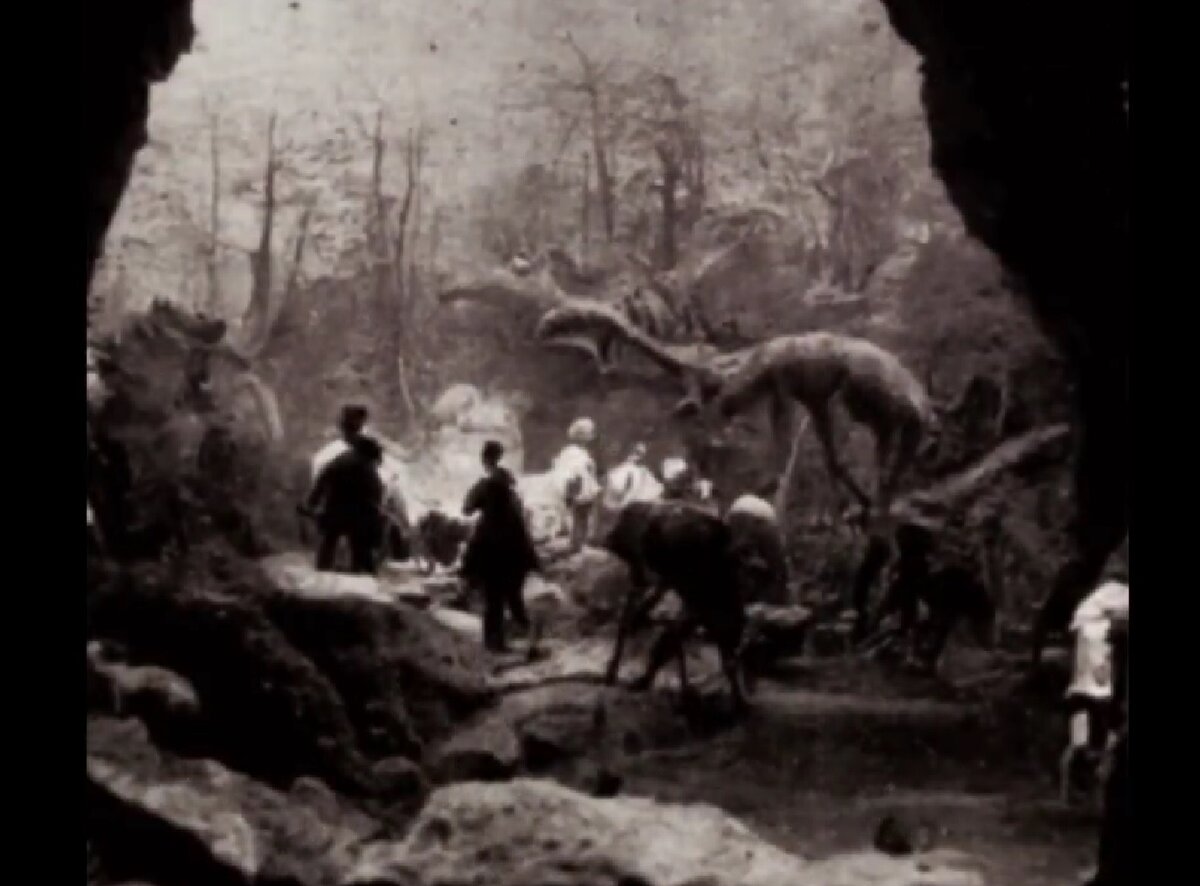
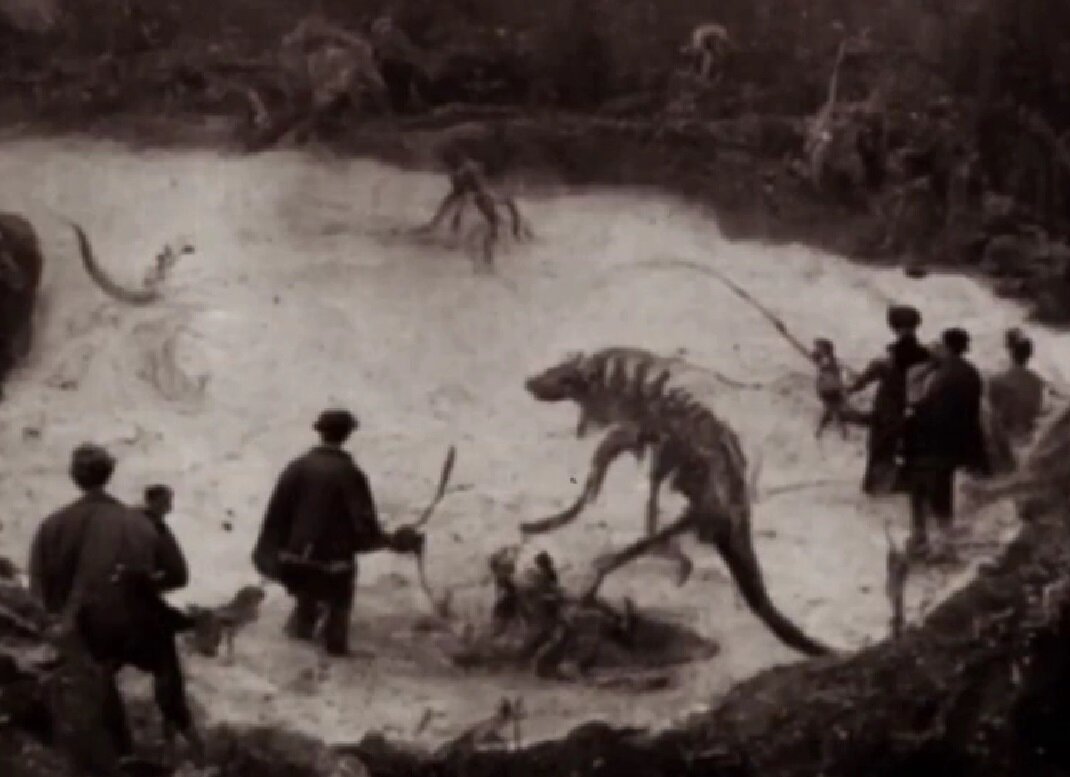
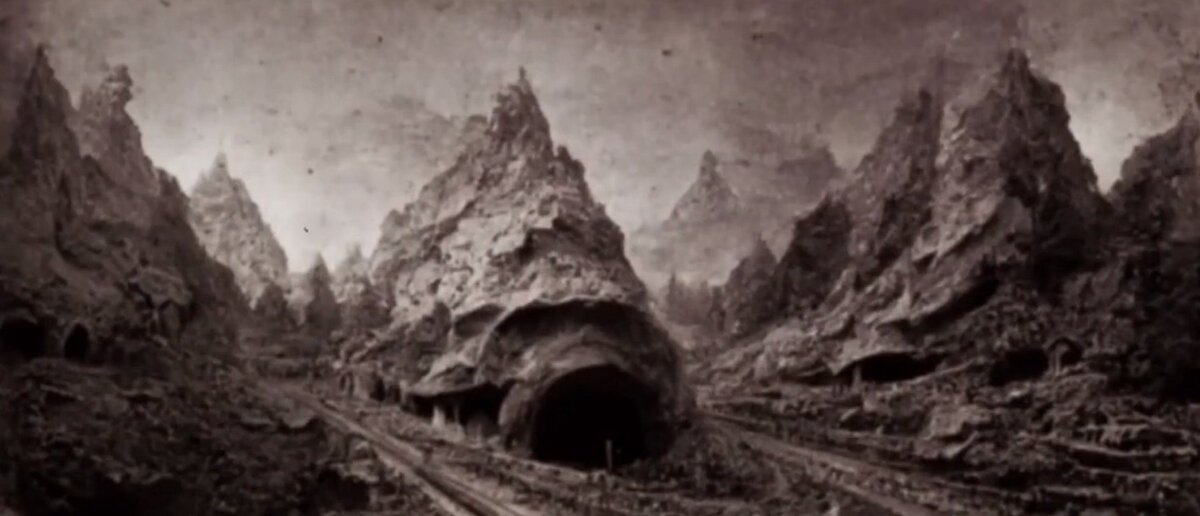
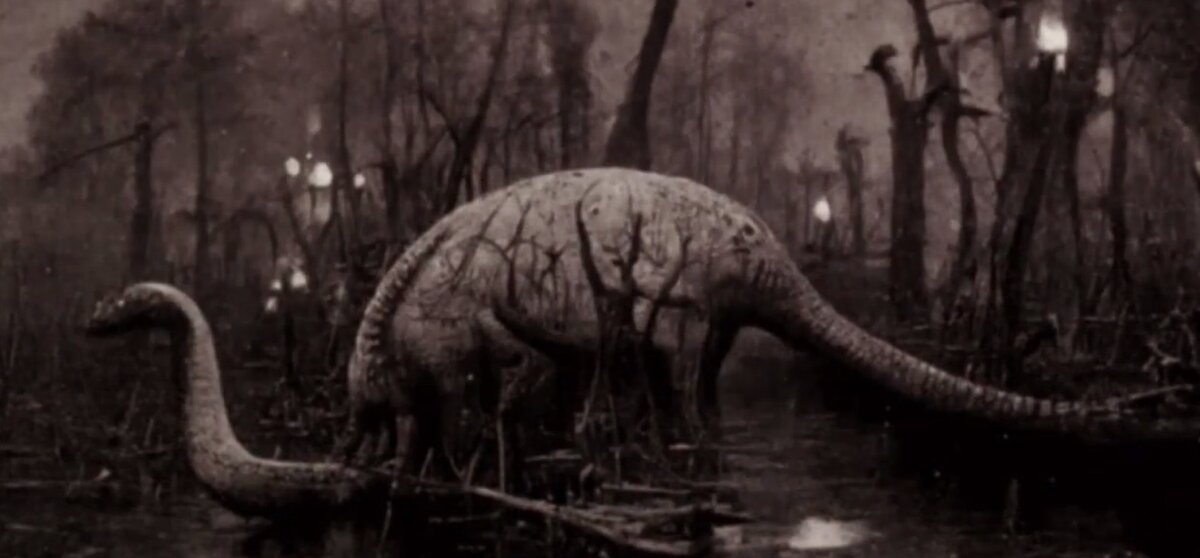
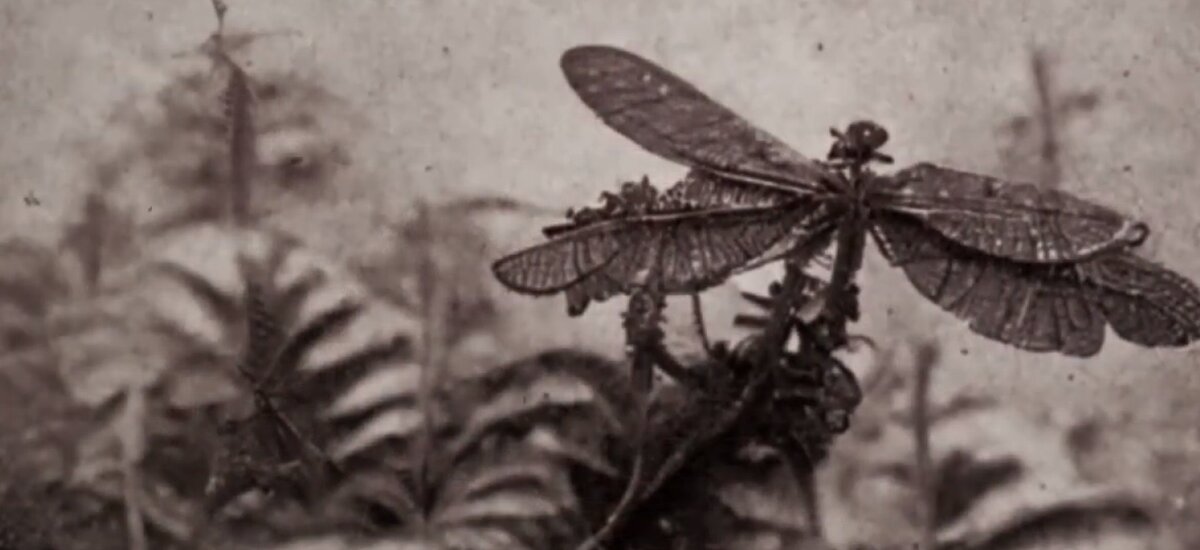
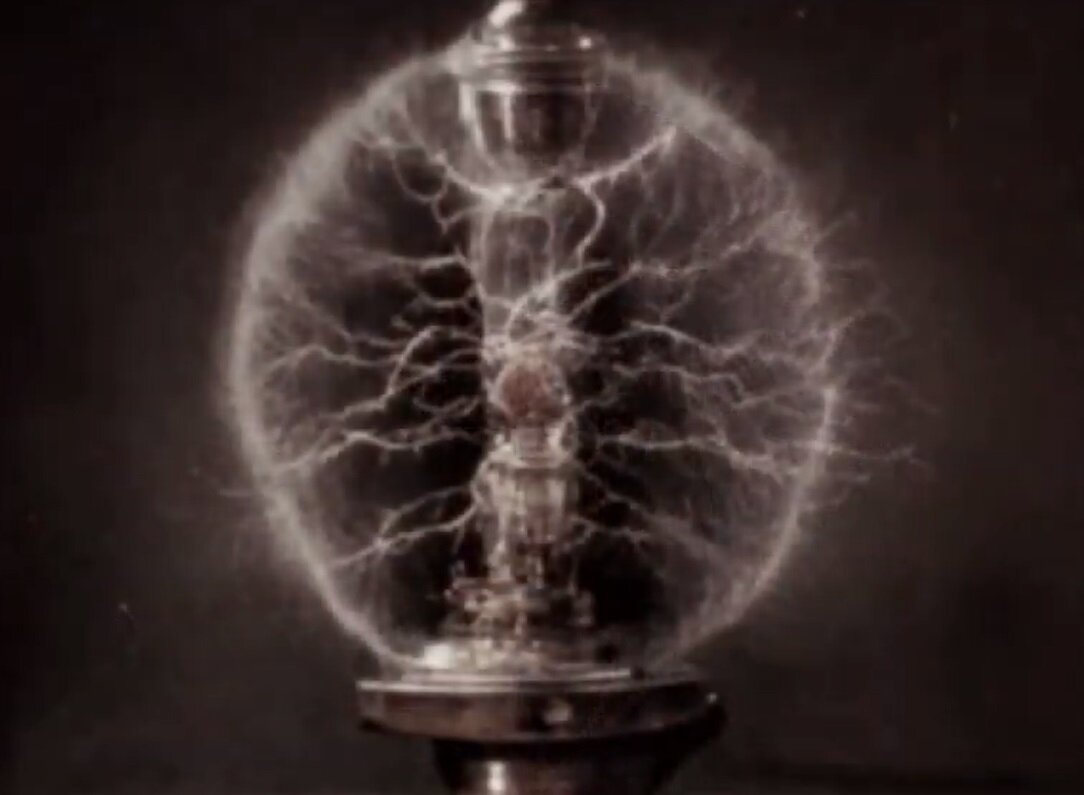
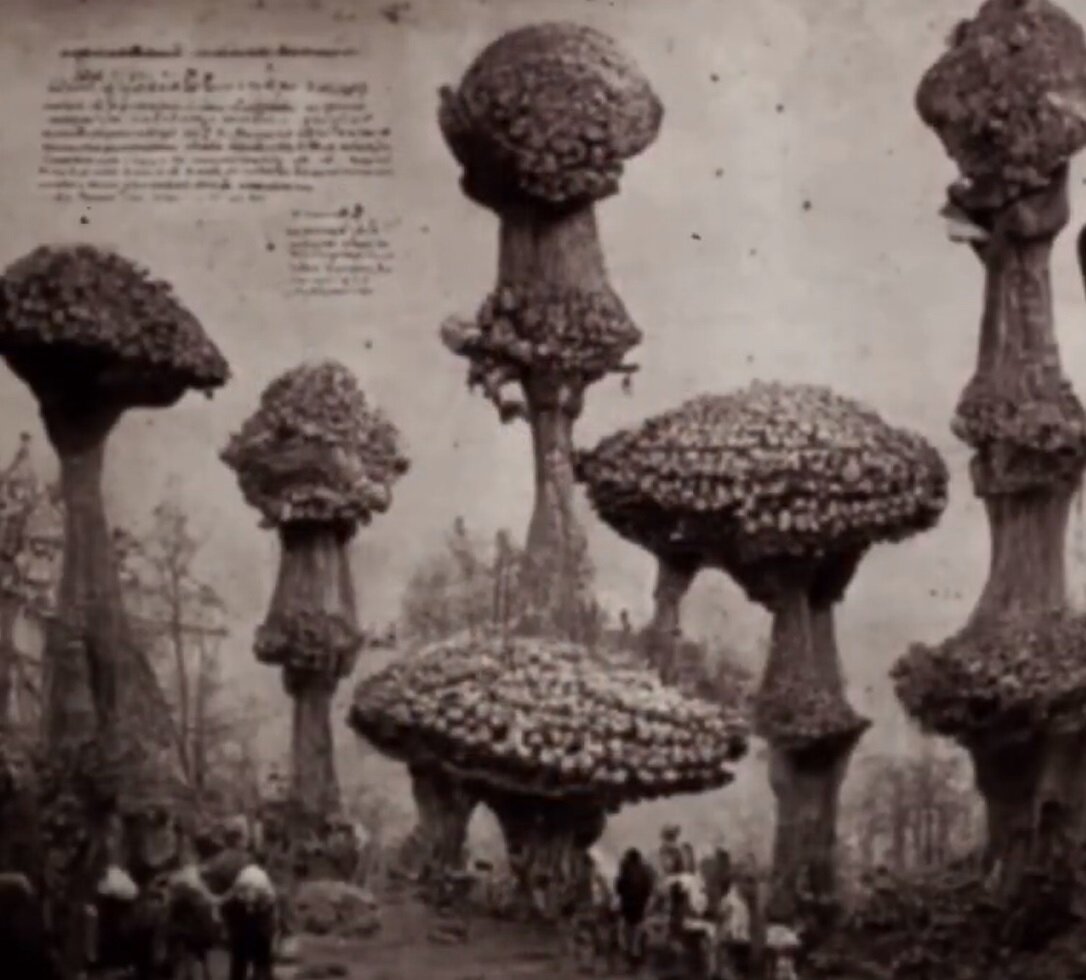
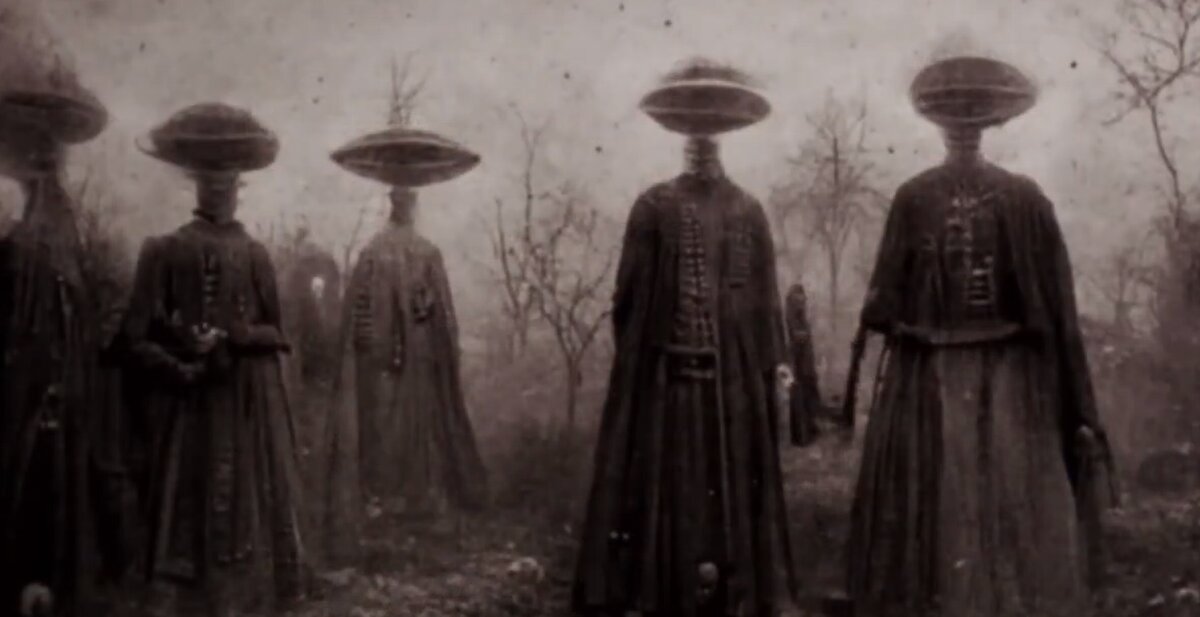
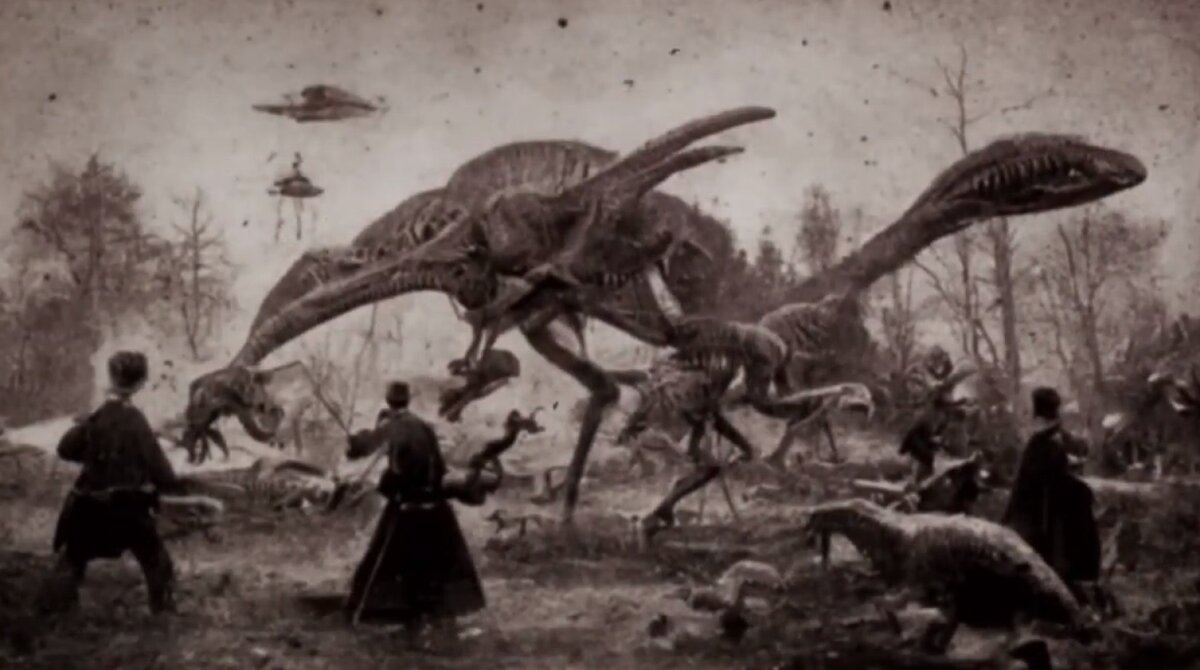
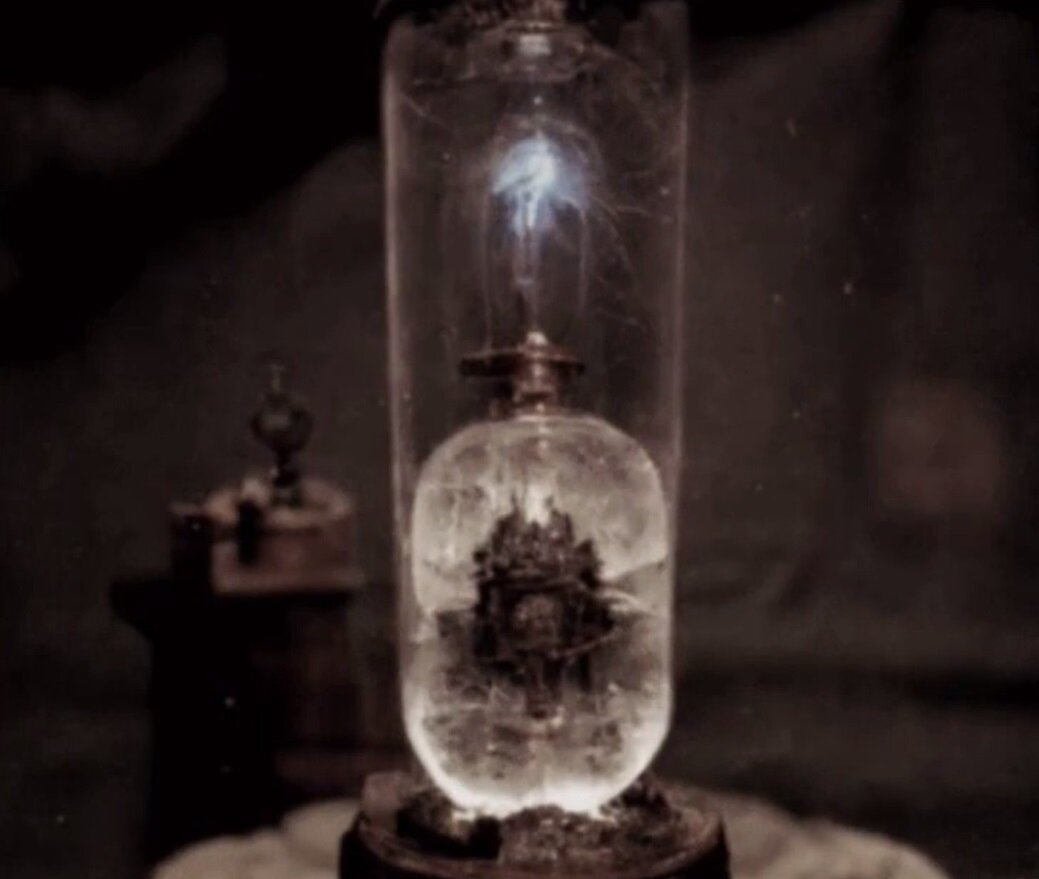
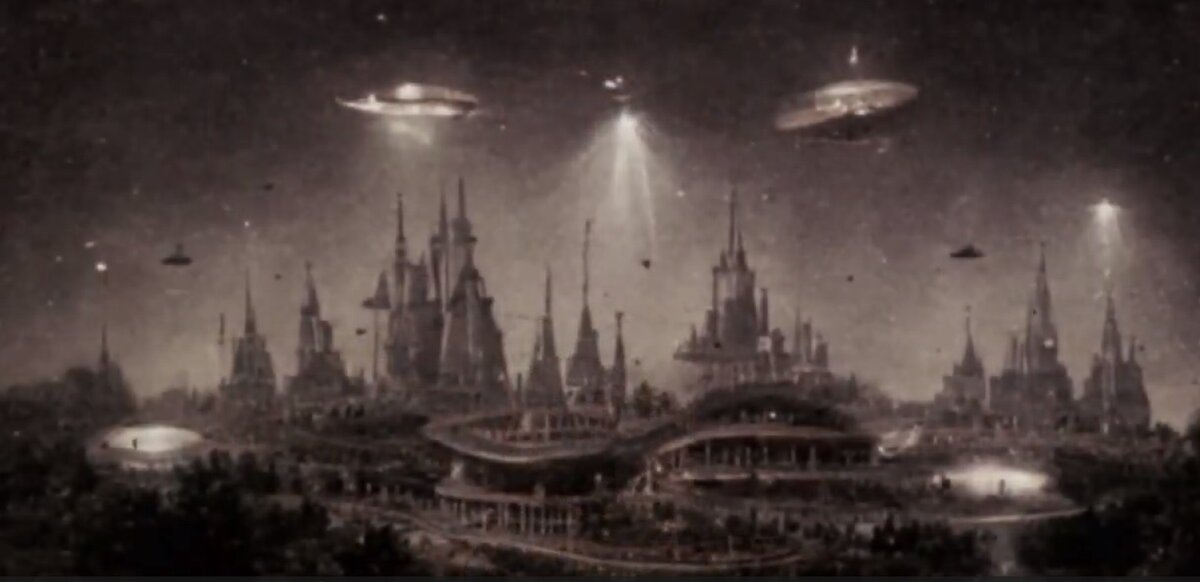
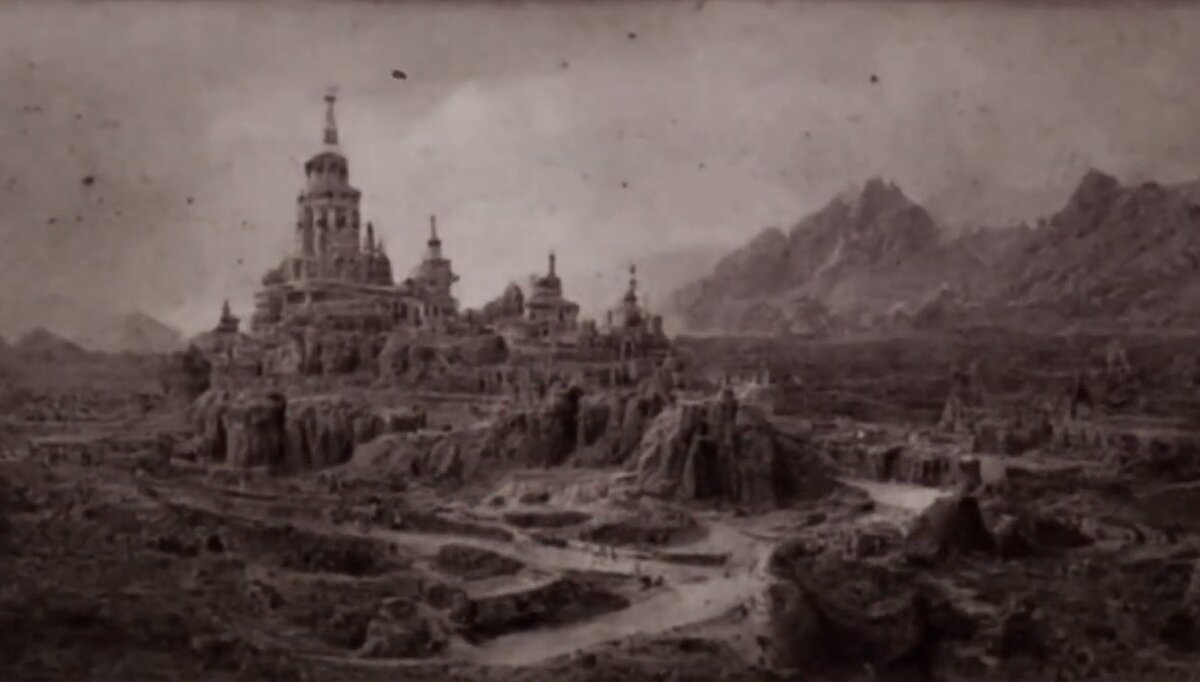
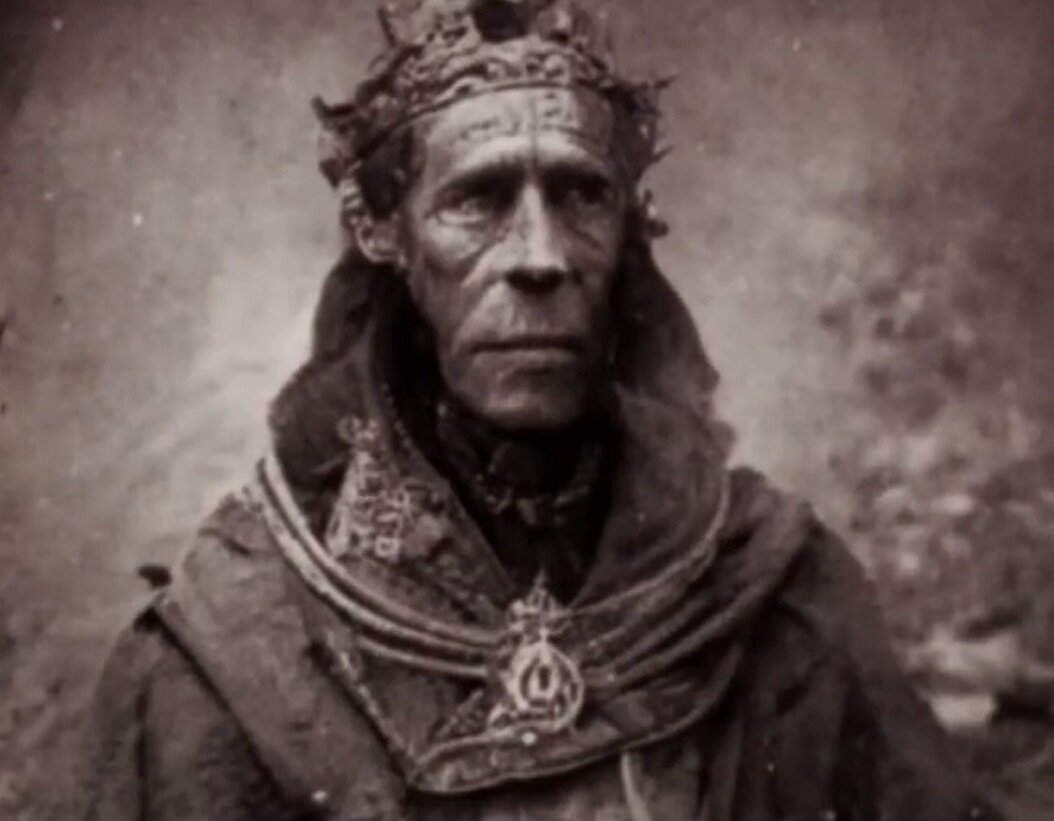
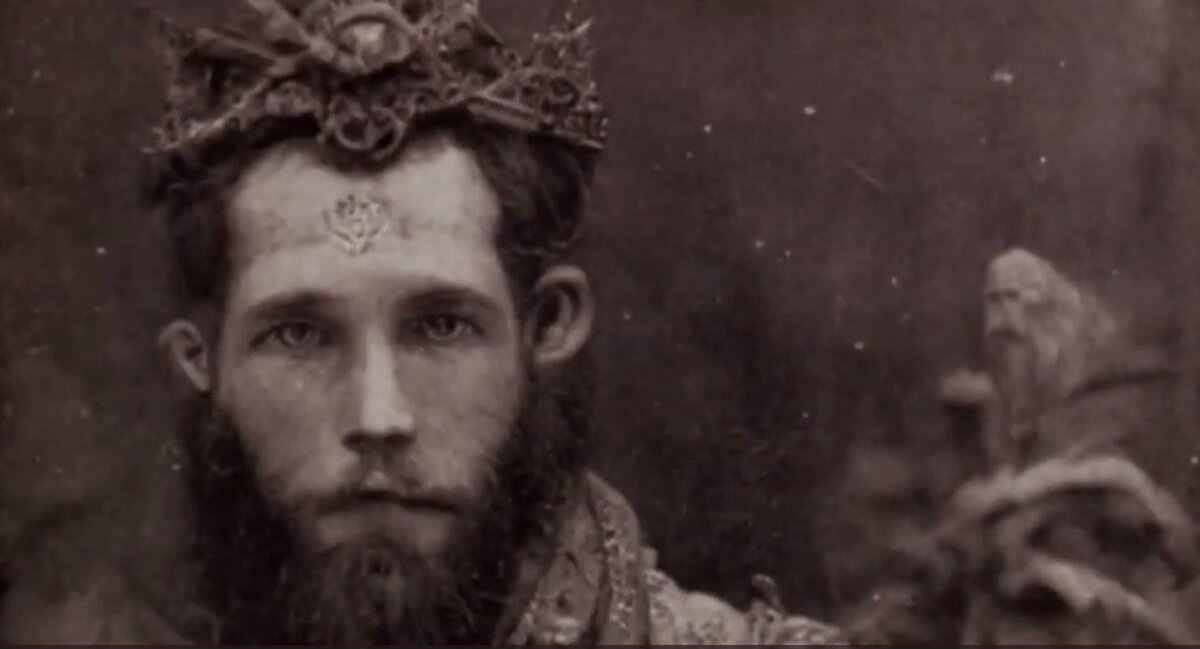
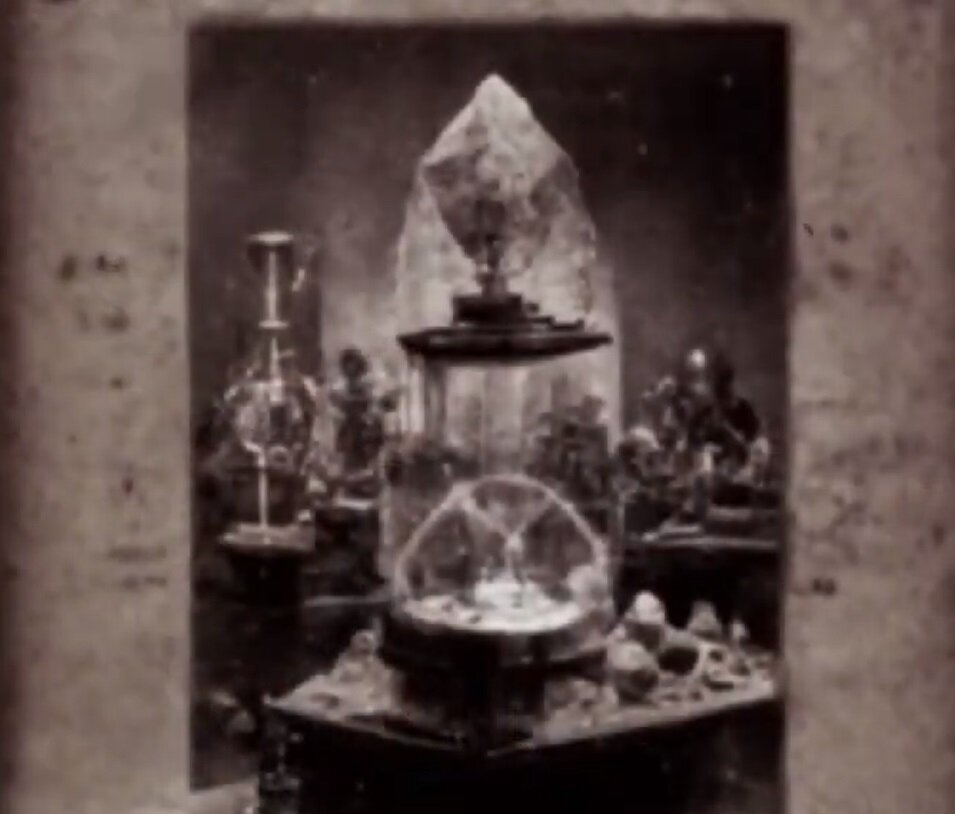
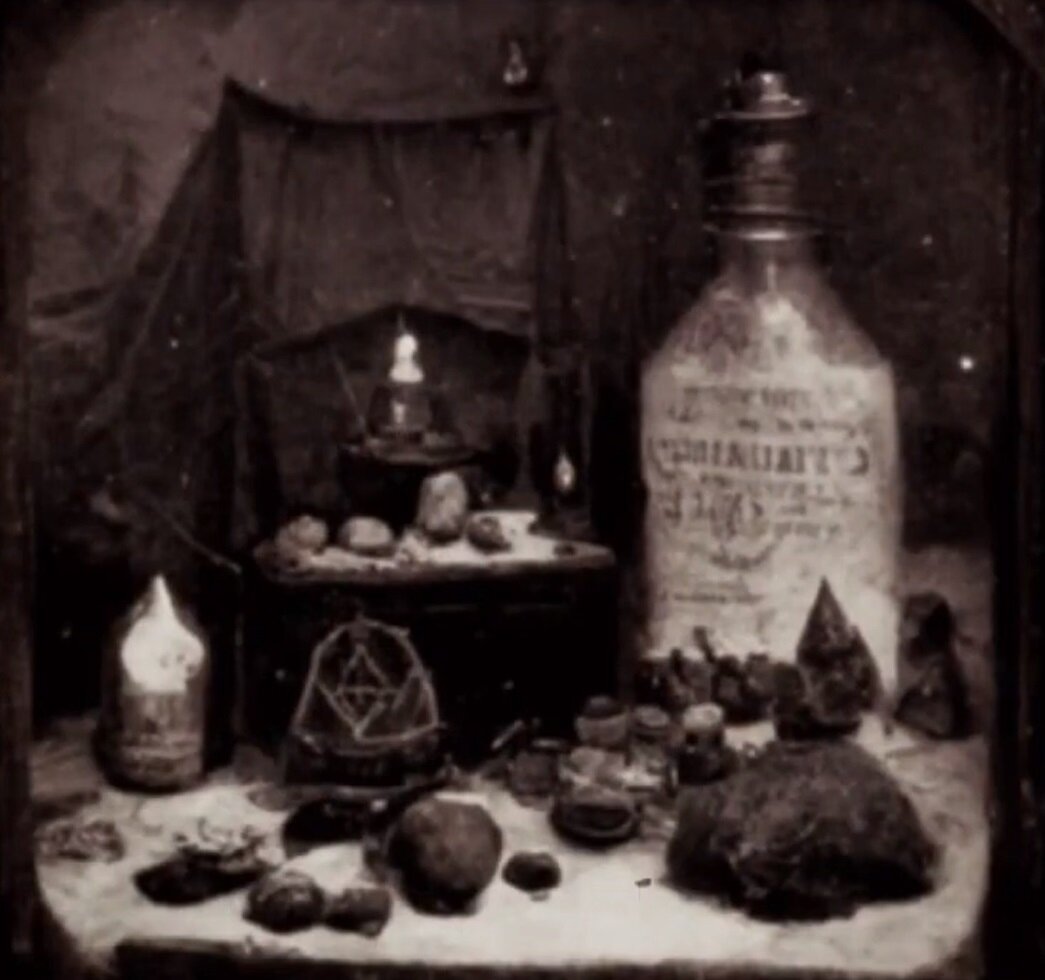
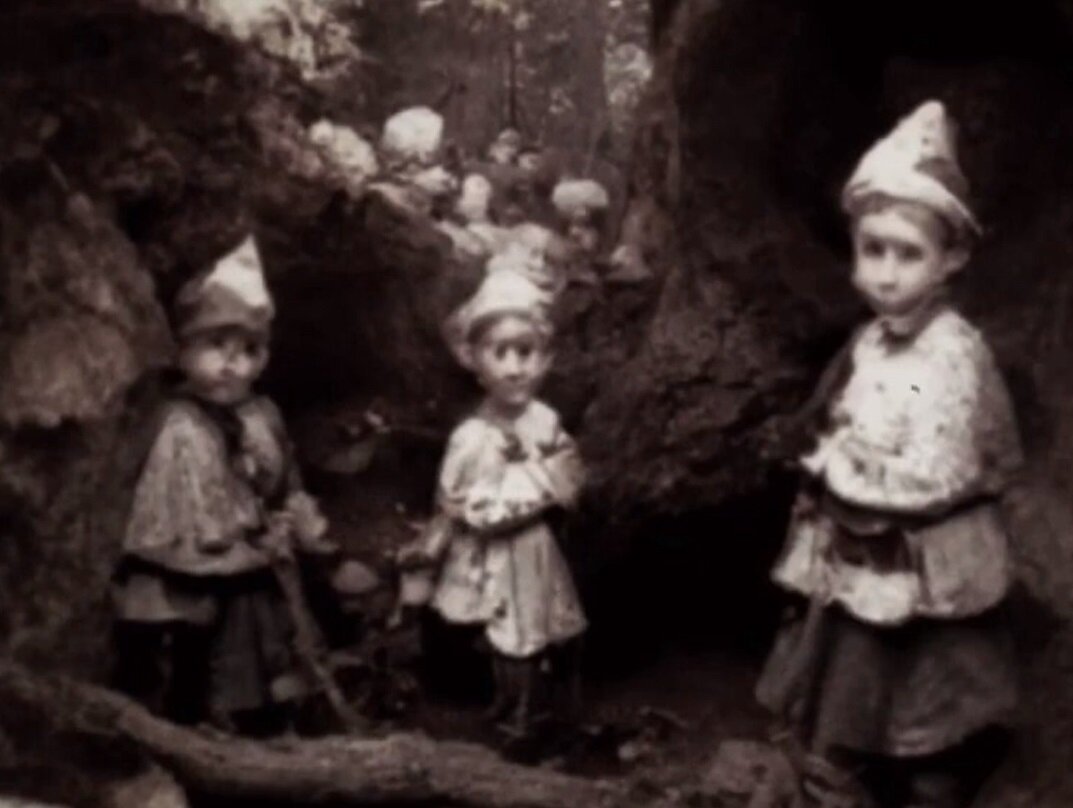
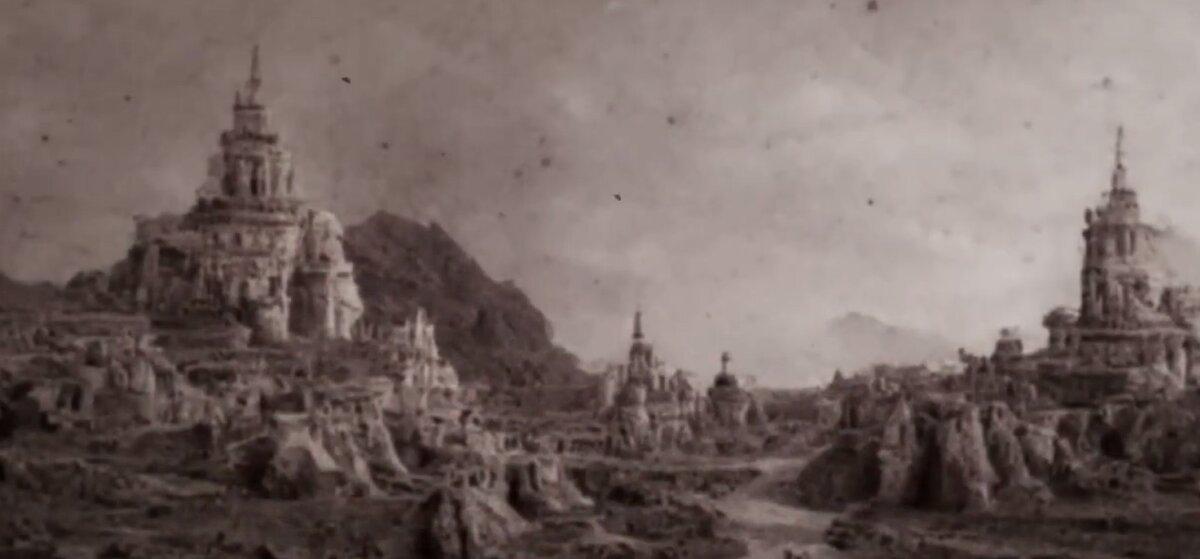
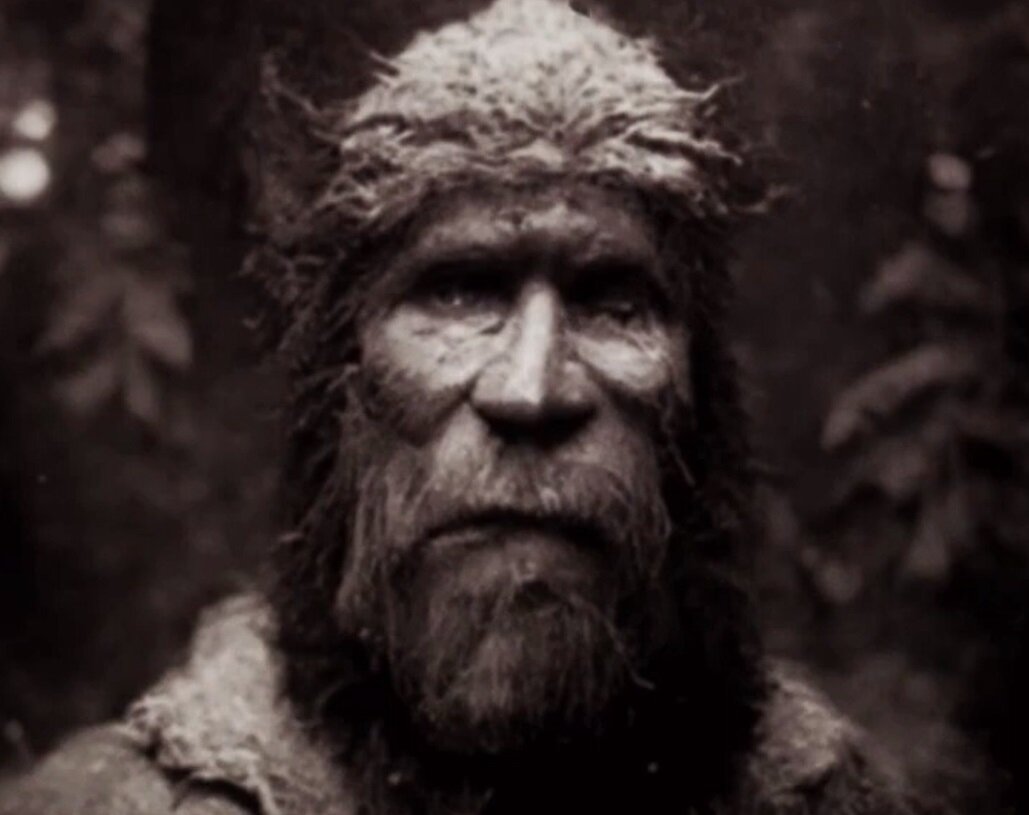
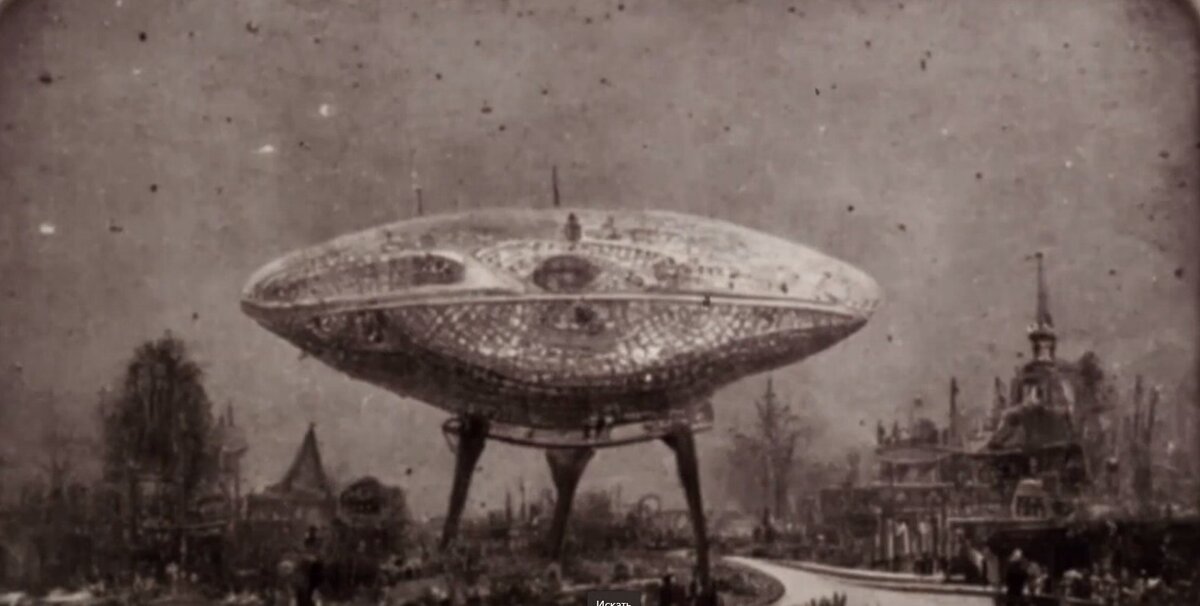
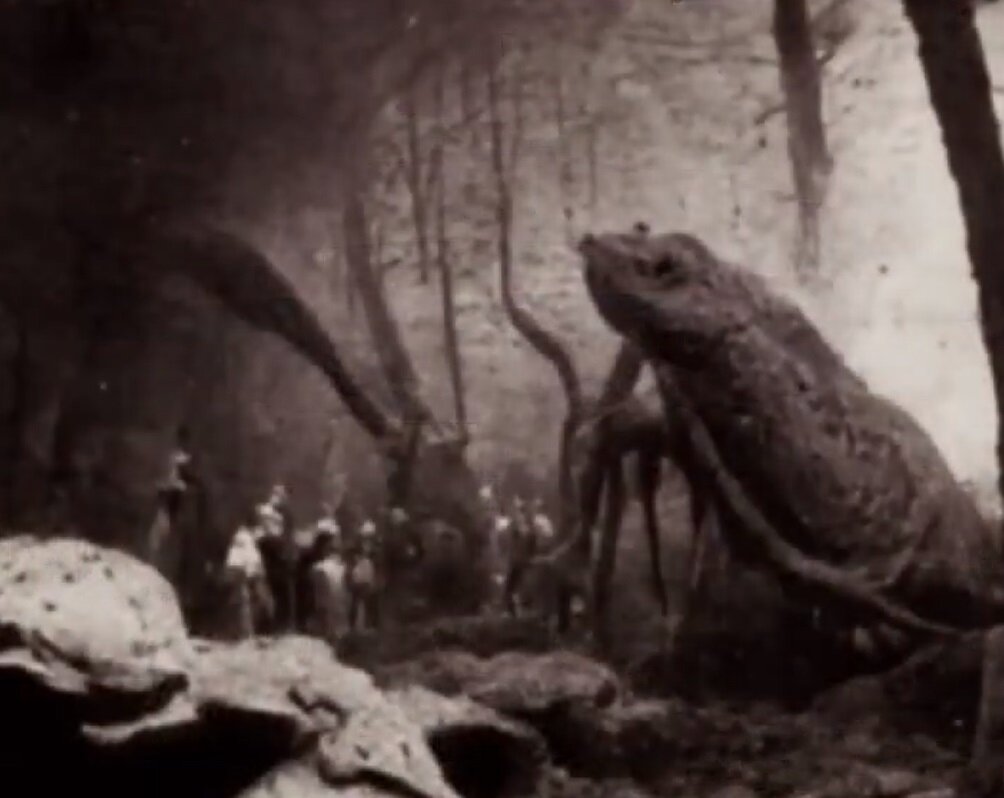
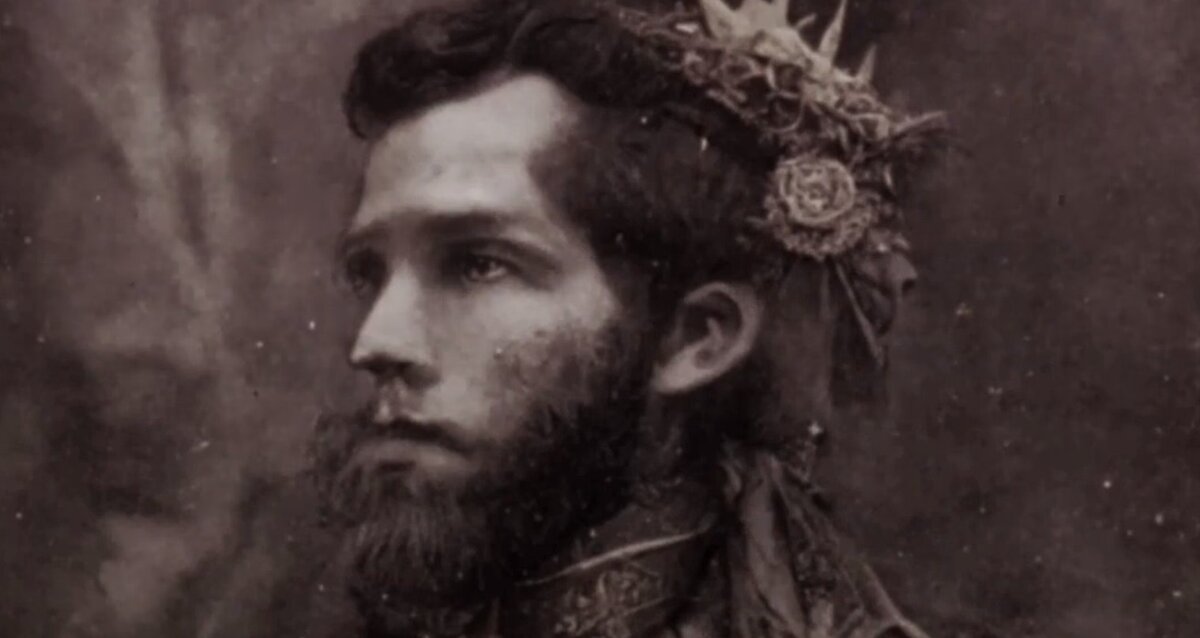
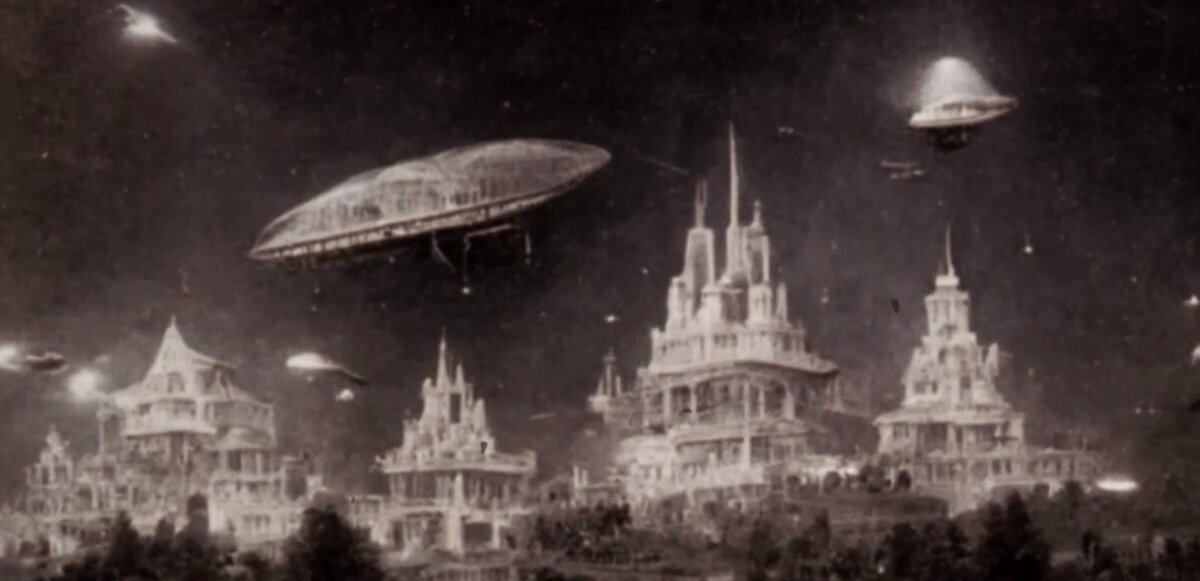
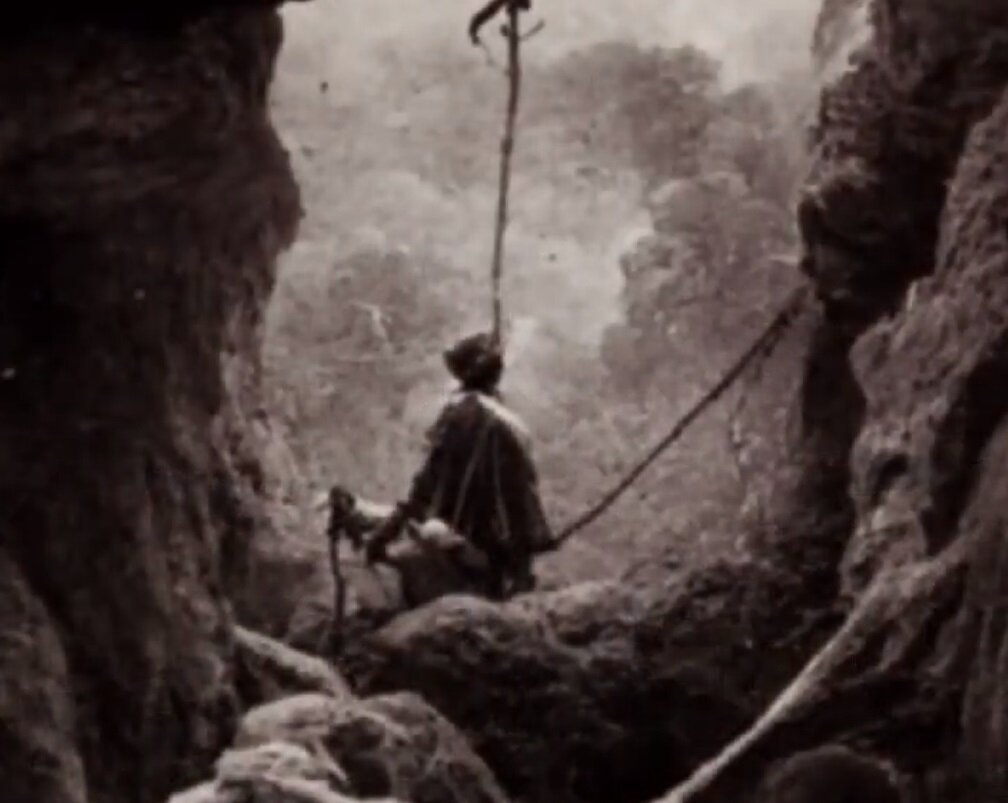
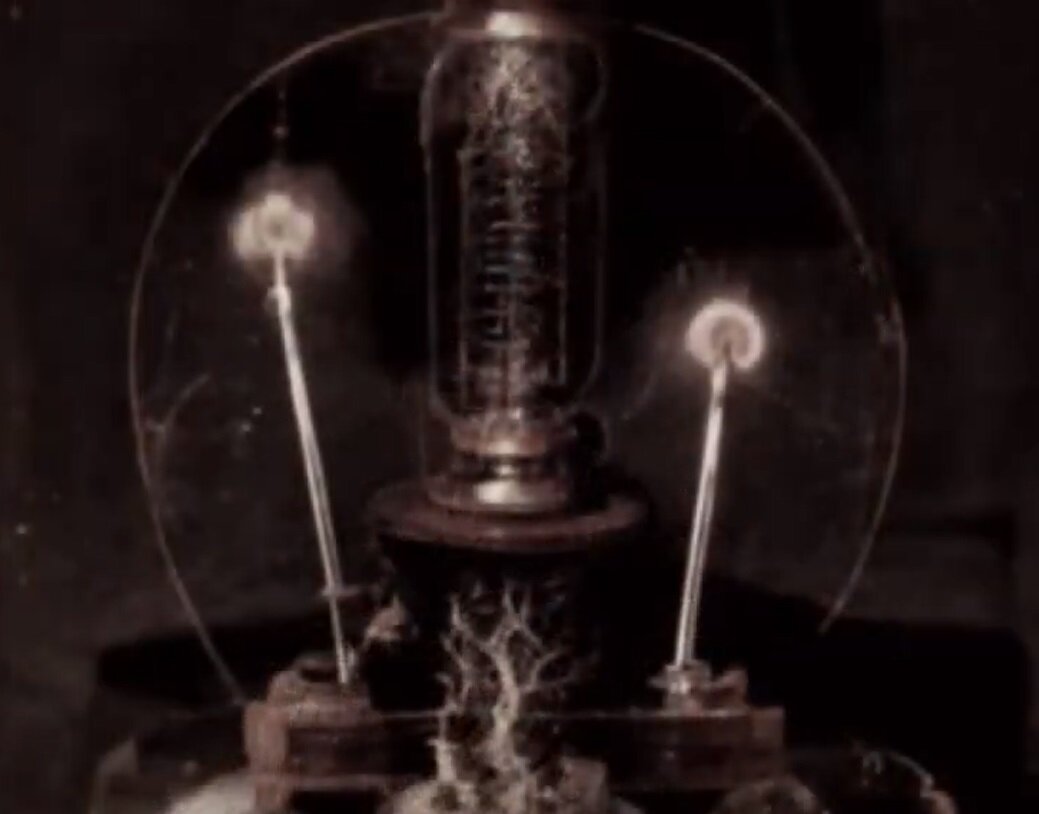
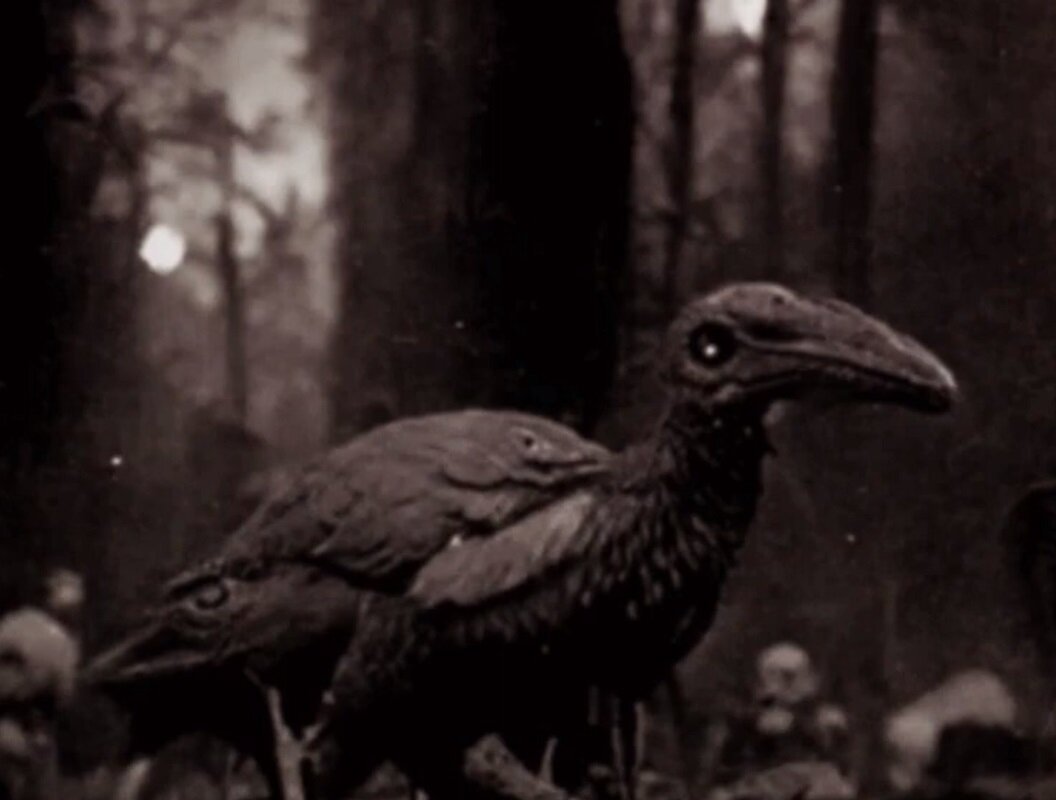
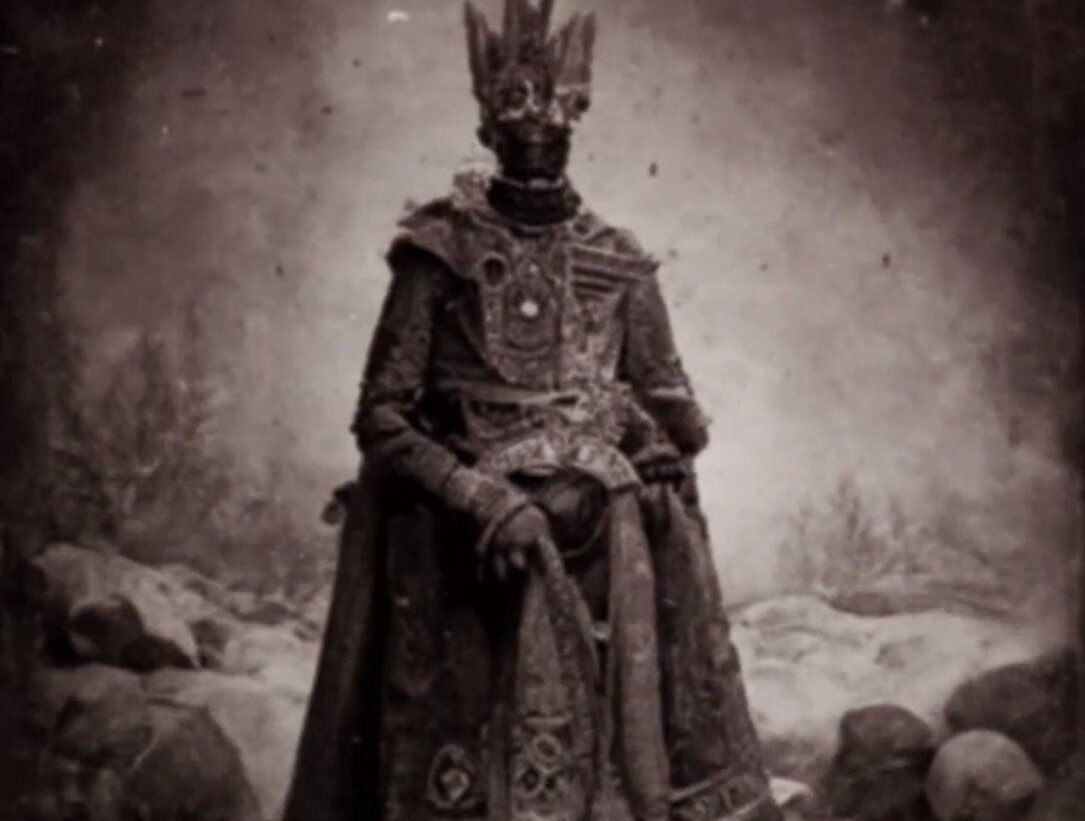
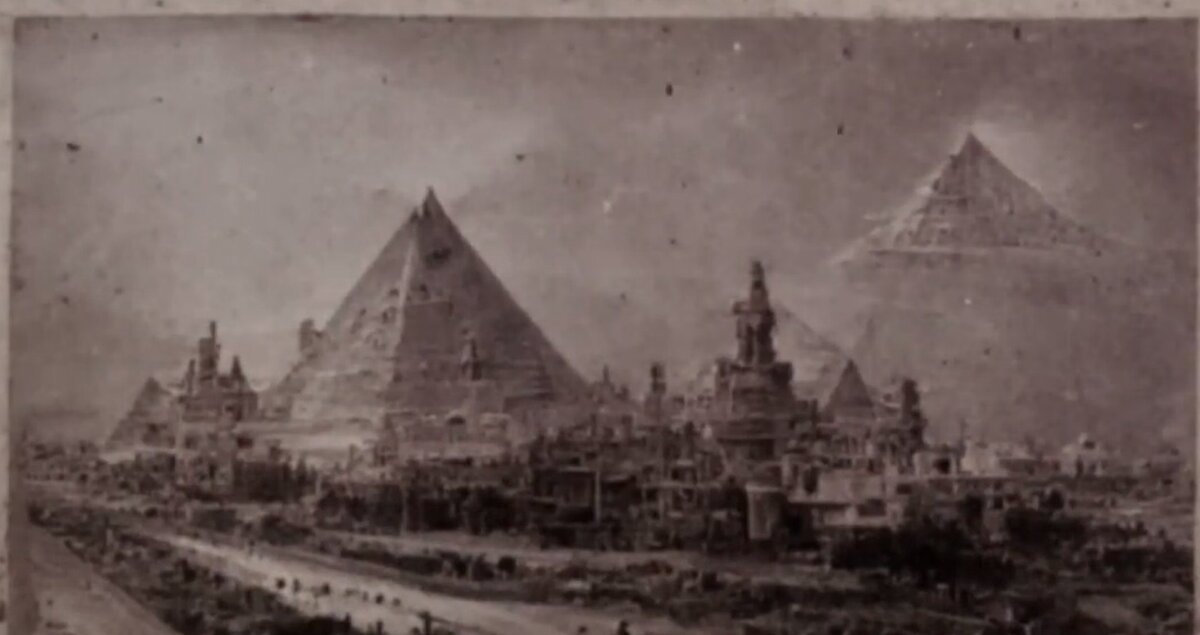
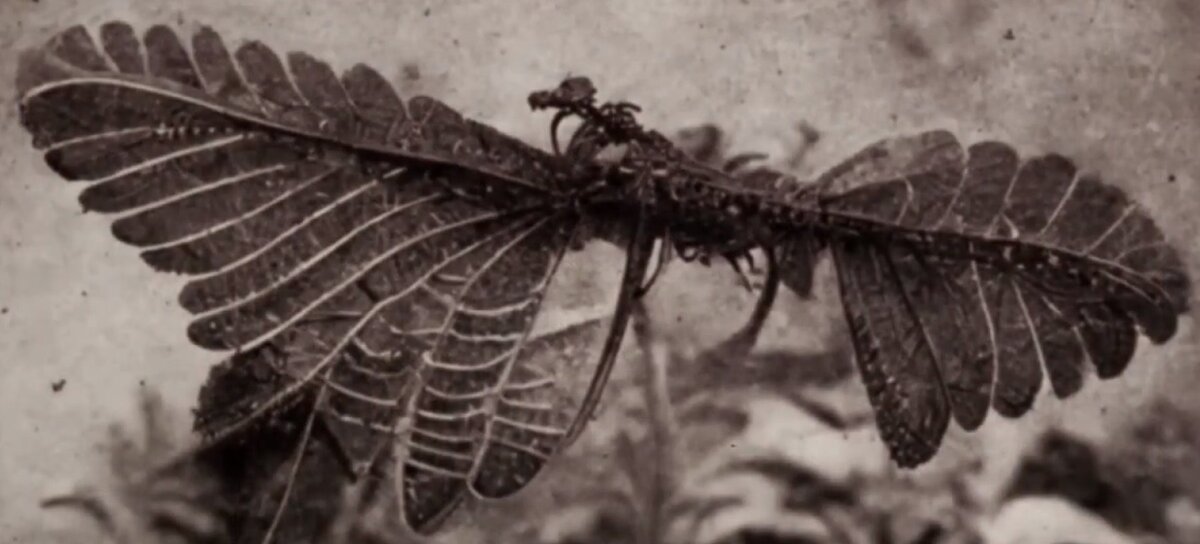
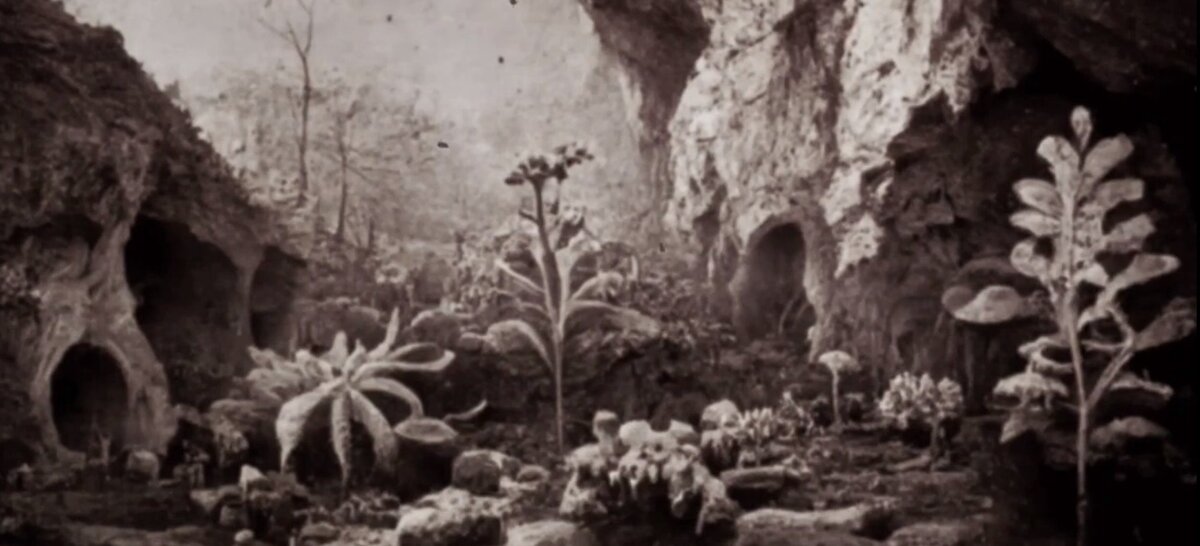
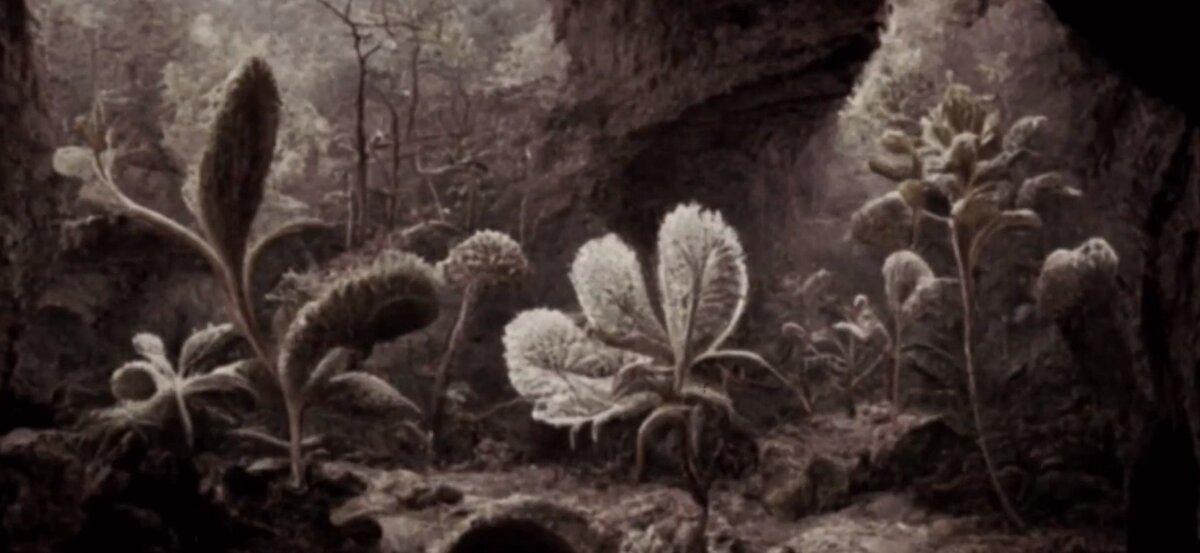
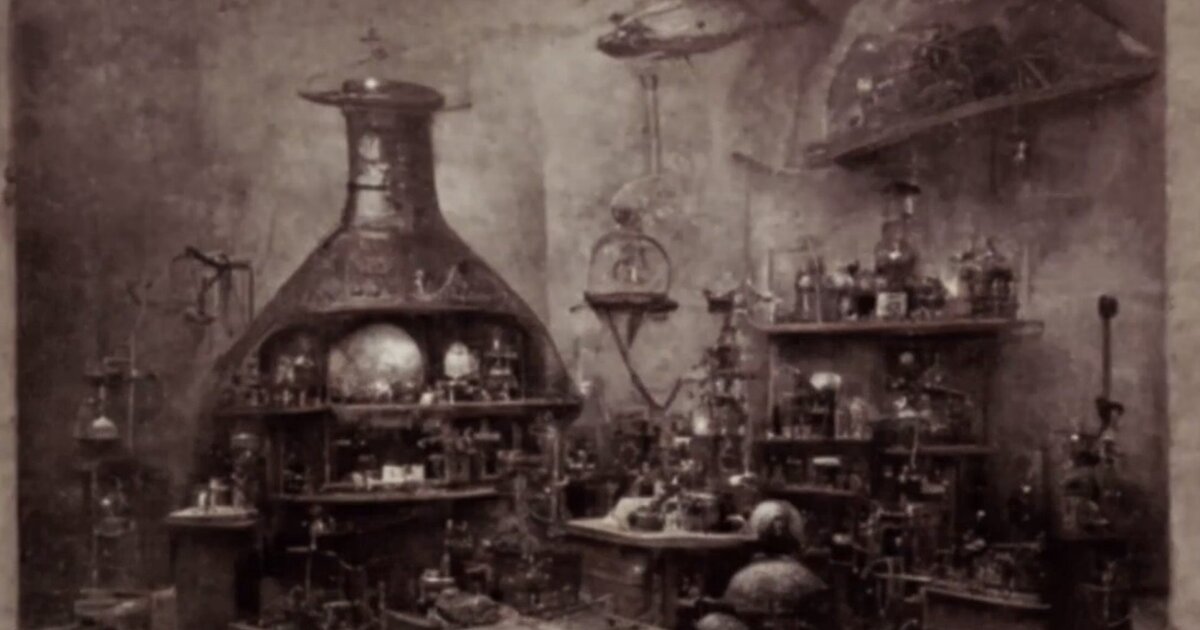
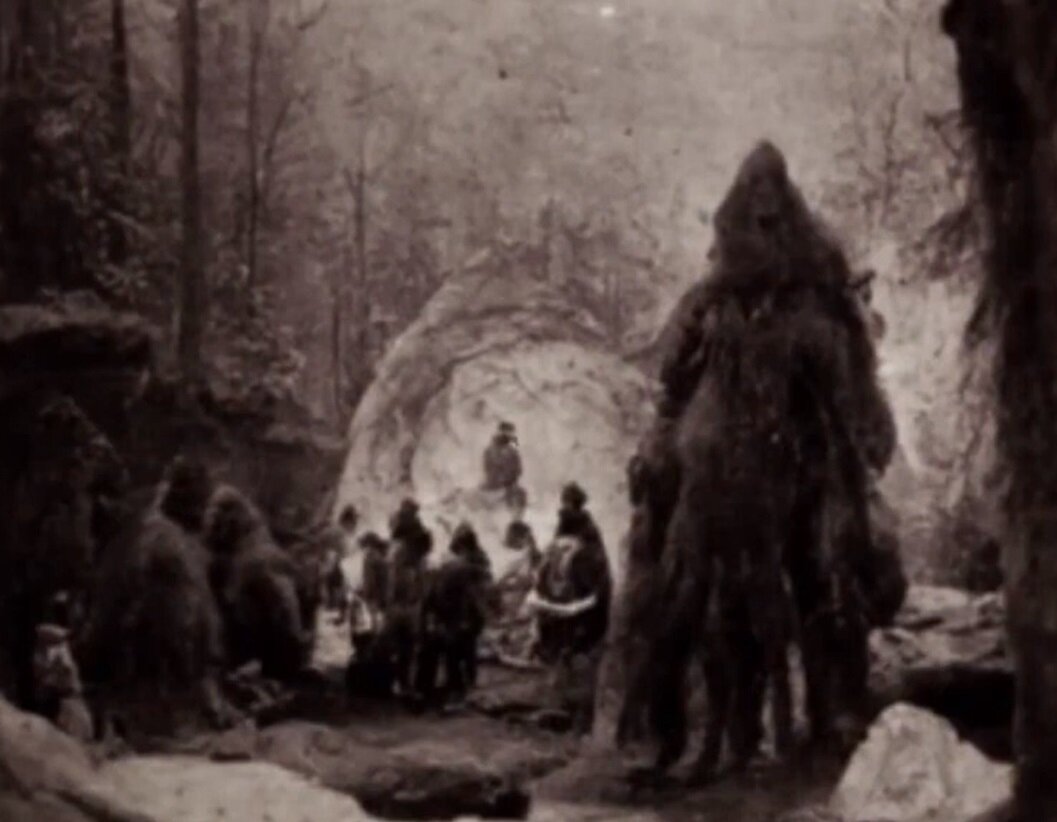
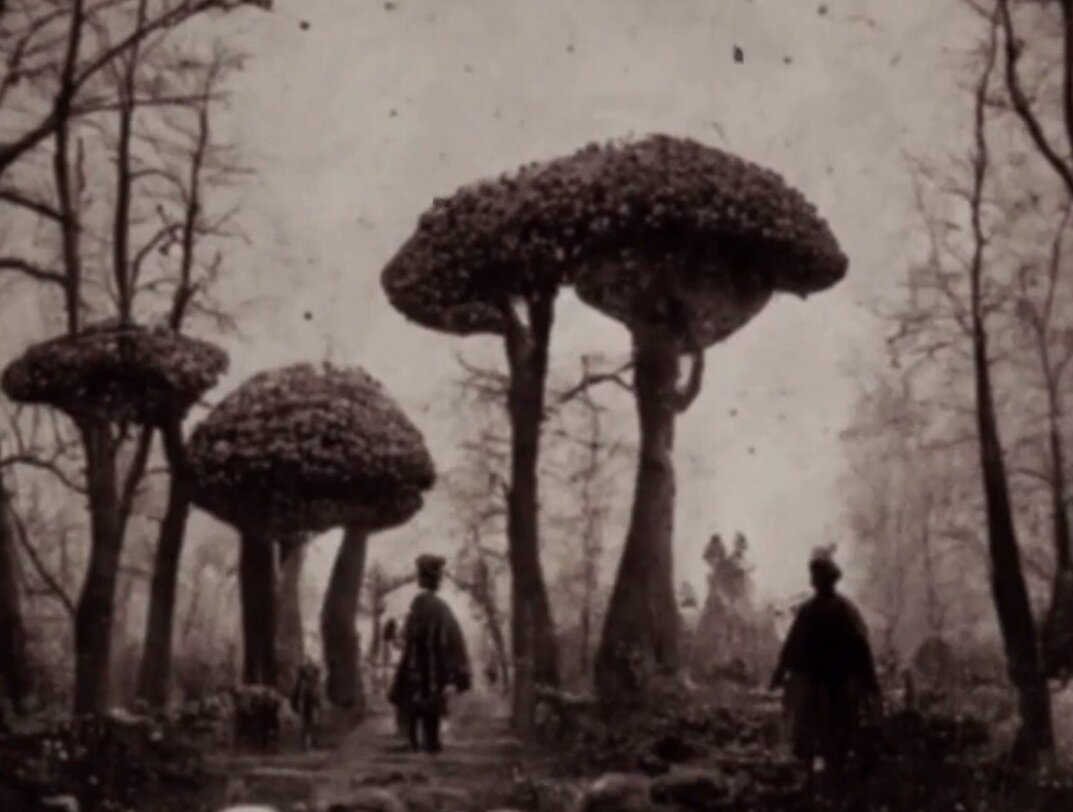
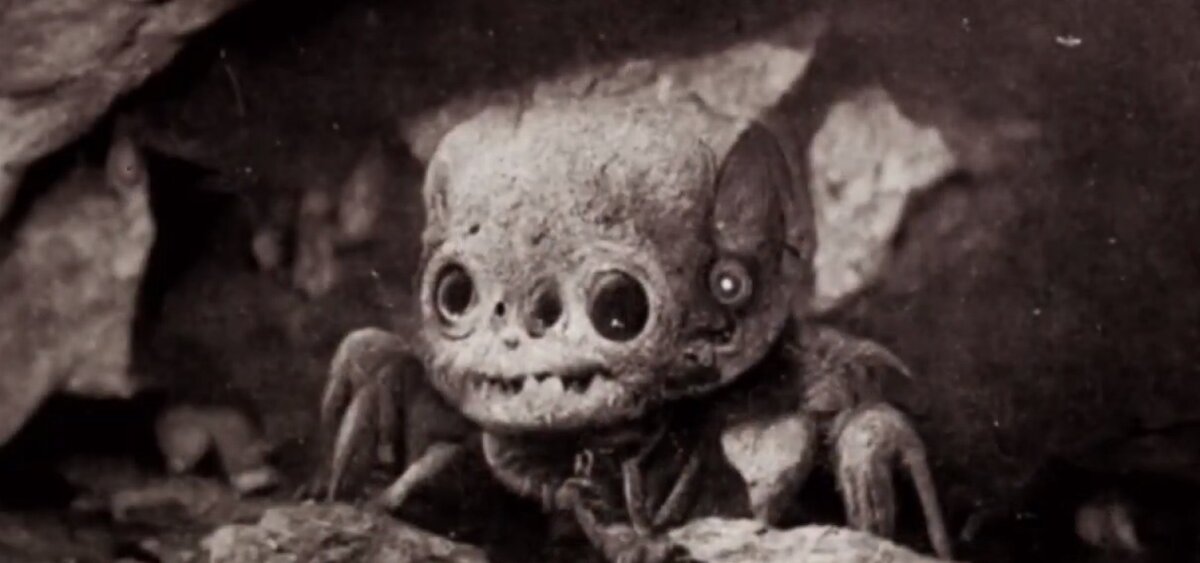
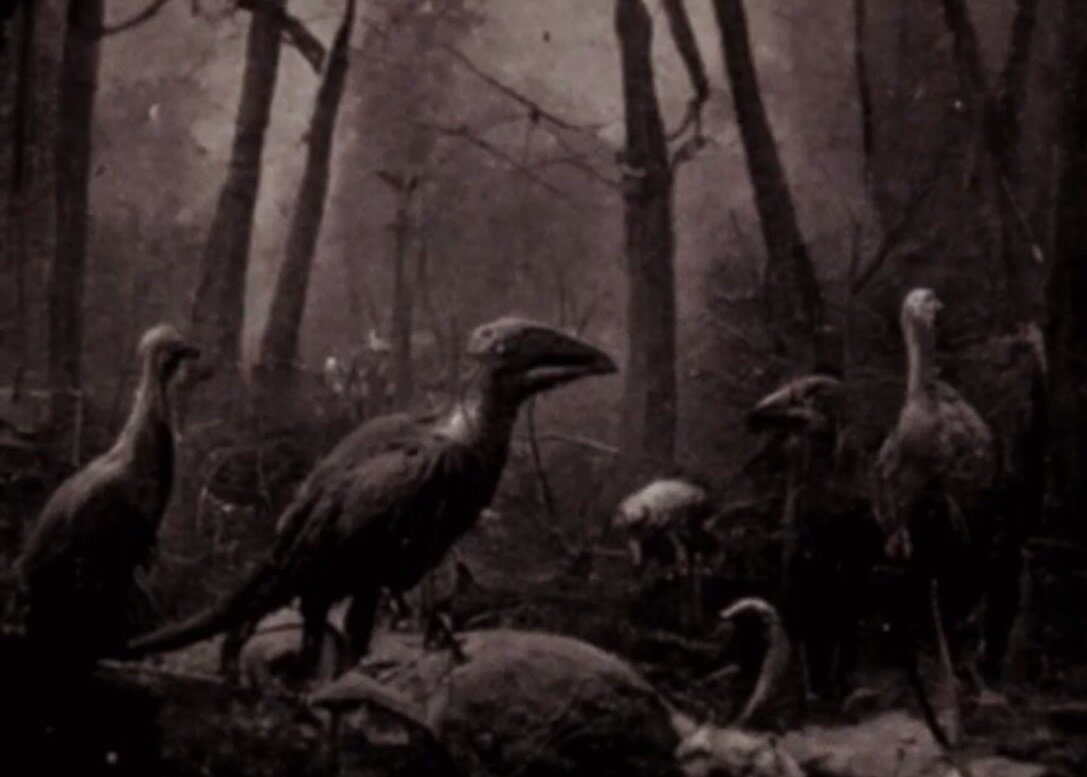
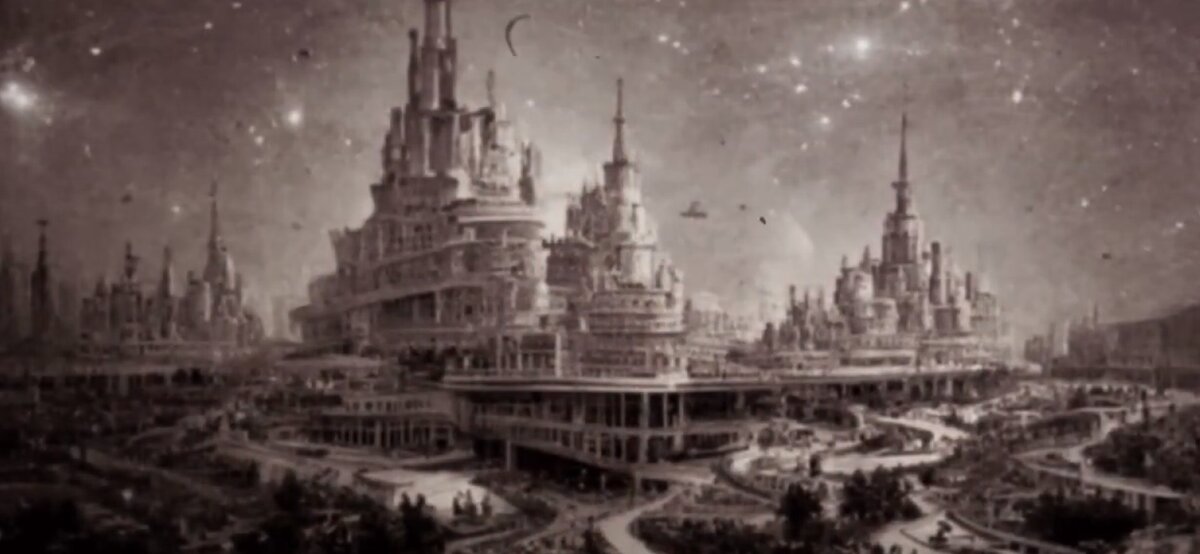
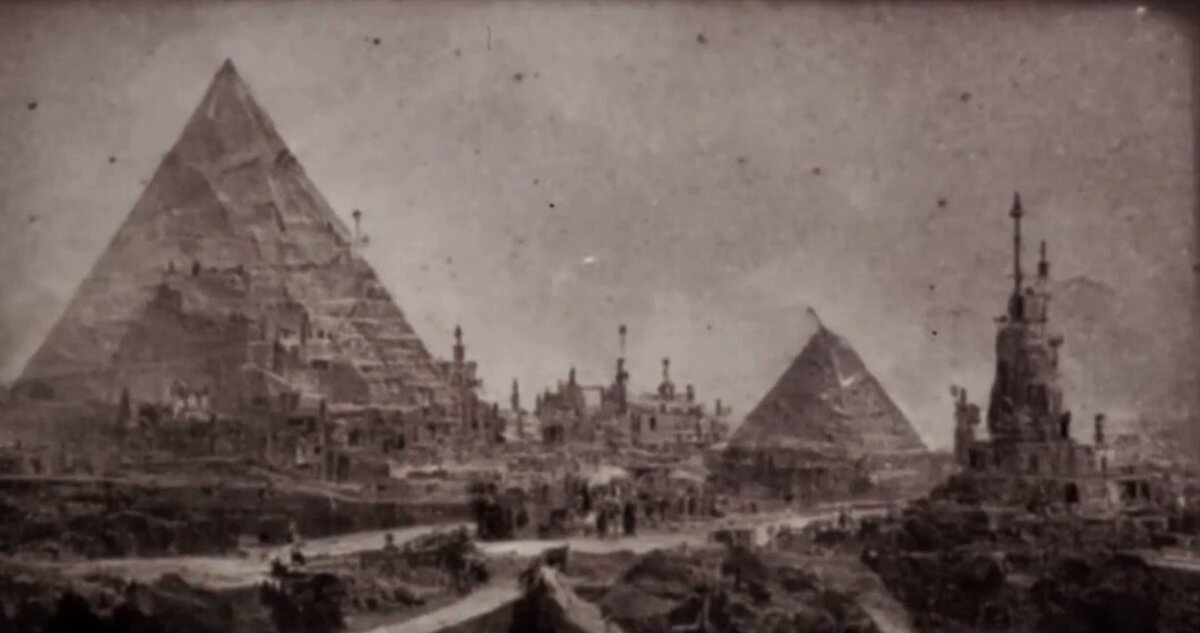
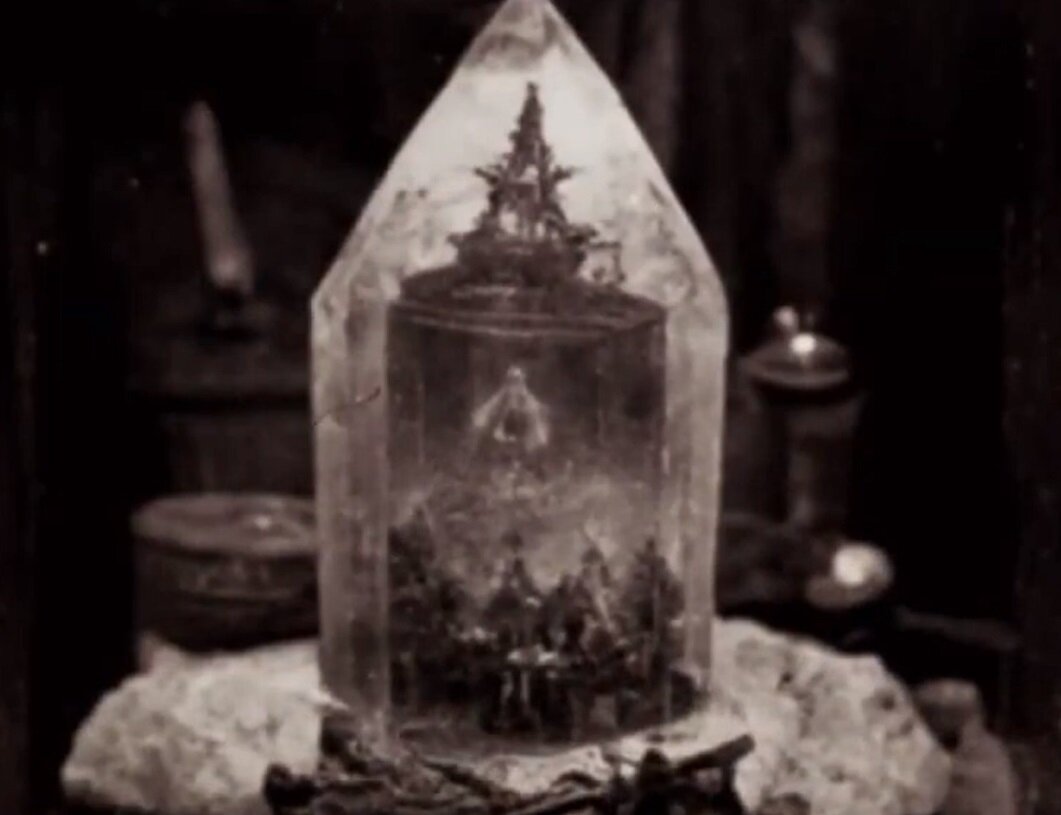
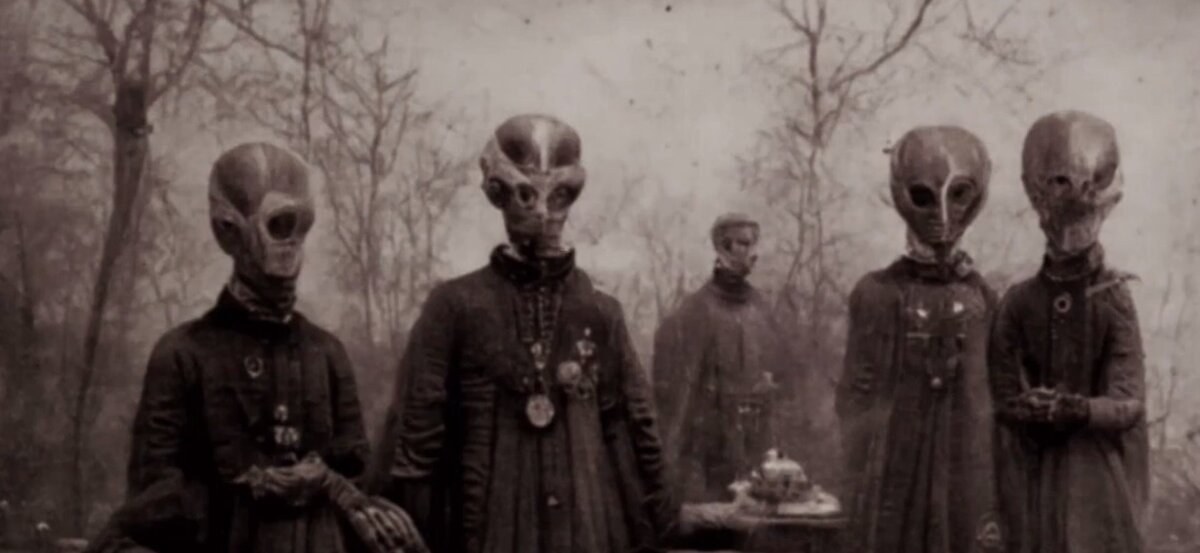
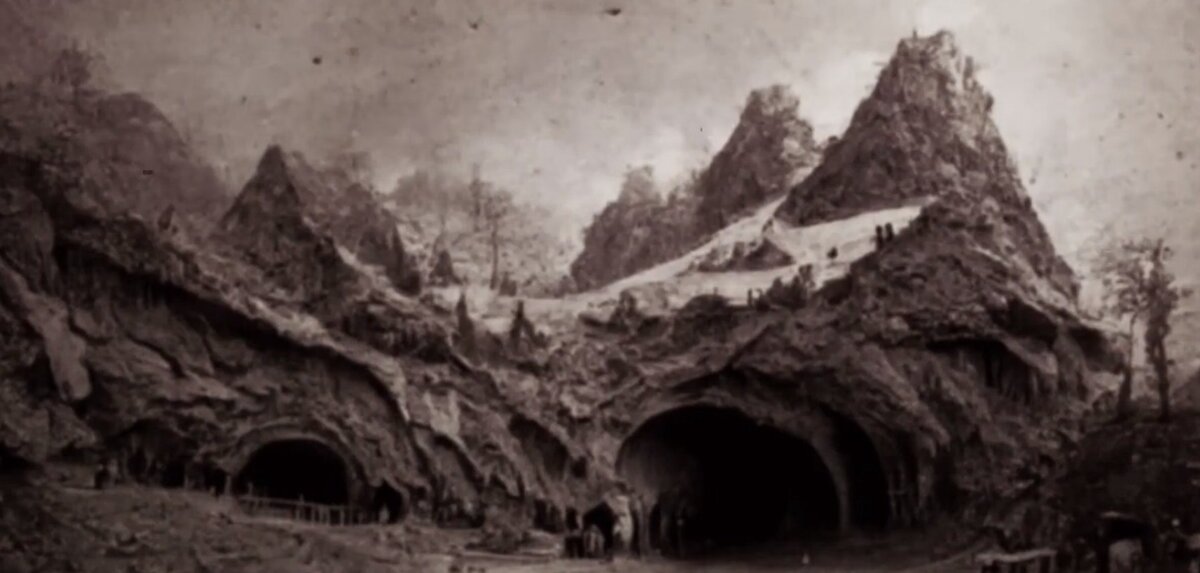
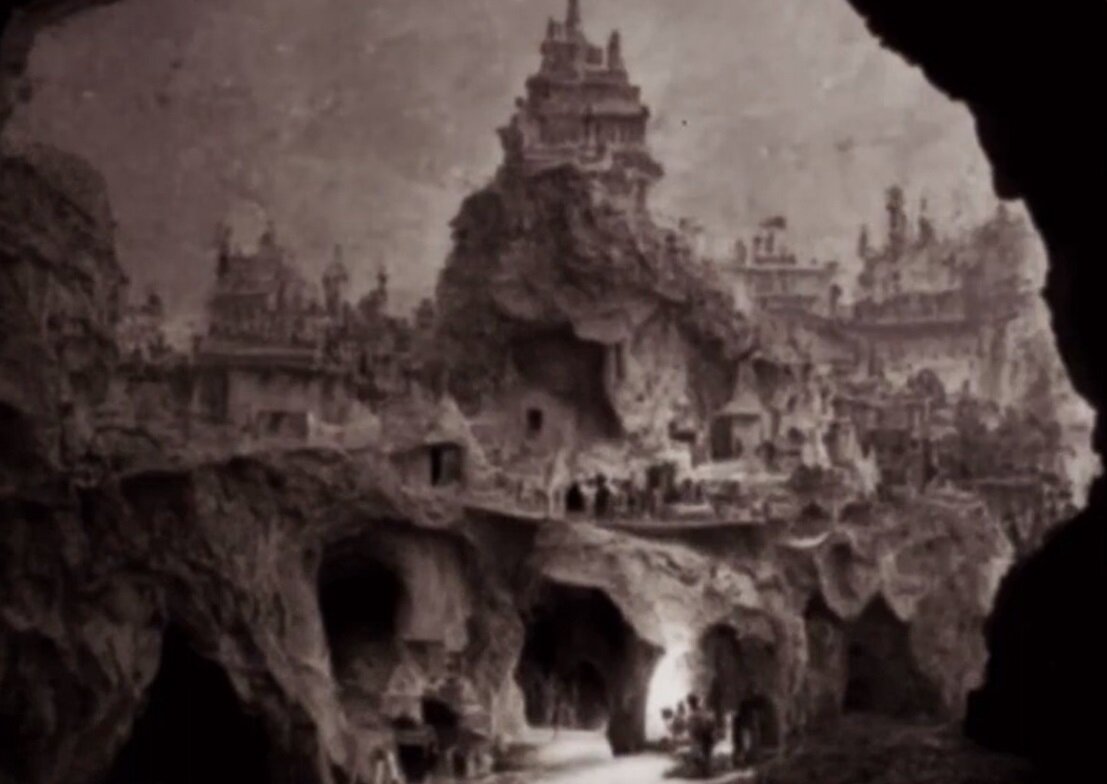
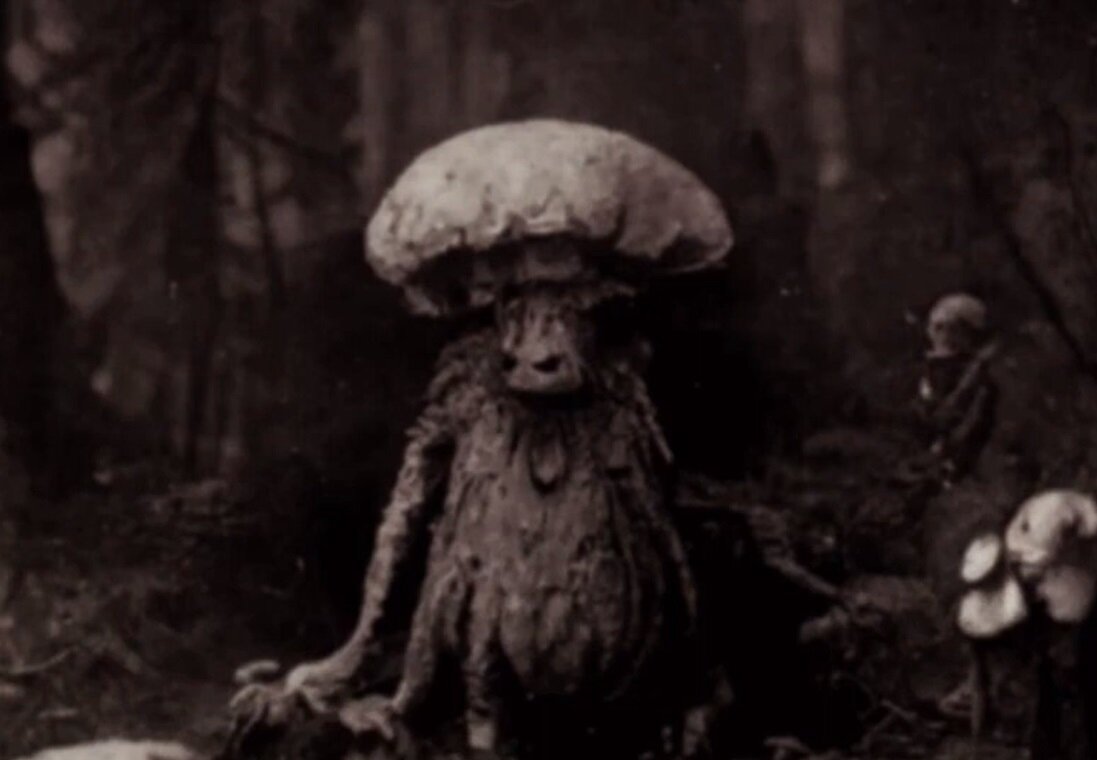
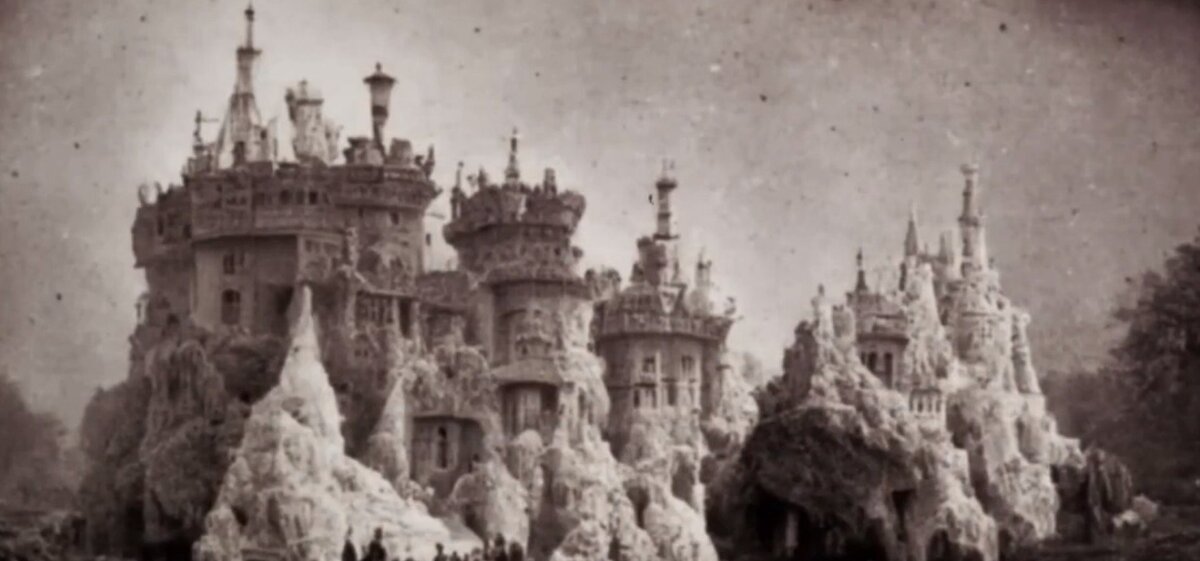
The photographs in circulation attributed to the Bartholomew expedition show imagery that their proponents identify as evidence of subsurface flora, fauna, and inhabited communities. Their detractors identify the same imagery as either fabricated, misidentified surface photographs taken in unusual conditions, or artistic productions rather than documentary records.
The content attributed to the photographs, the flora with bioluminescent properties, the fauna with forms unlike surface species, the humanoid figures in environments suggesting habitation, and the objects interpreted as technology, is consistent with what the Inner Earth traditions describe and with what the biology of deep isolated environments produces in its known forms.
Whether the photographs are genuine records of a genuine expedition is a question that the absence of a verifiable chain of custody makes impossible to answer from the photographs themselves. A photograph without provenance cannot establish what it shows, because the absence of provenance makes every interpretive claim about it equally unsupported.
The honest position on the Bartholomew photographs is that they are unverified records of unknown origin whose content is consistent with the Inner Earth traditions’ descriptions and whose status as evidence cannot be established without corroboration that is not currently in the available record.
Whether such corroboration exists somewhere in a classification level whose contents are not publicly accessible is a question that the broader recurring pattern of classification of anomalous physical evidence, recorded across the UAP, Giza, and Zawyet el-Aryan pieces in this library, makes impossible to dismiss as obviously absurd.
The expedition’s factual basis is not established. The photographs’ provenance is not established. The Inner Earth traditions that the expedition was allegedly attempting to verify are attested from independent sources that require no unverified expedition for their evidentiary foundation.
The cave system that the expedition allegedly entered is the longest on Earth. Its lower extent is not mapped. Its deeper formations have not been systematically surveyed.
If the Bartholomew expedition entered those passages in 1903 and did not return, whatever they found in the darkness below the surveyed extent of the world’s largest cave system remains where they found it.
The photographs, whatever they show, arrived in the historical record in 1973. The cave keeps its own record in the passages that have not been mapped.
What do you think? Does the underworld exist?










AI generated