




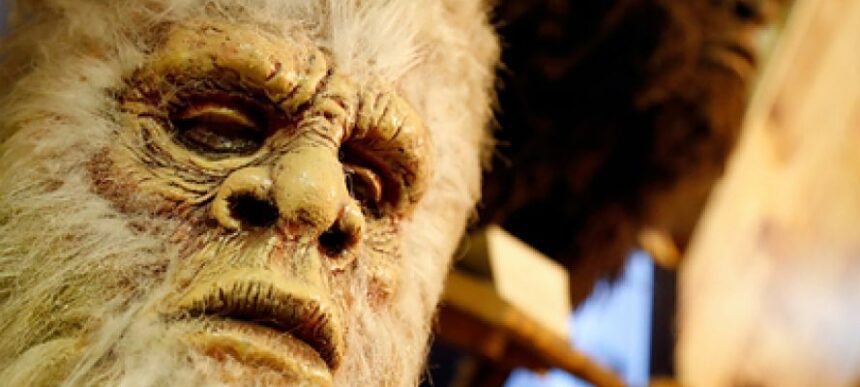
For centuries, whispers and tales have woven through cultures worldwide, speaking of mysterious creatures resembling humans, yet cloaked in thick fur and dwelling in the wildest, most remote corners of our planet. While once relegated to the realms of anthropology and folklore, these stories exploded into the public consciousness in the mid-20th century, sparking the thrilling, often perplexing, pursuit of Bigfoot hunters, known as cryptozoologists.
These passionate enthusiasts have meticulously sifted through countless narratives of wild people and similar beings, interpreting them as compelling evidence for the existence of relict hominids, undiscovered, elusive human-like creatures believed to roam globally. In their fervent quest, cryptozoologists often reshaped the diverse characters of world myths to fit the mold of the Himalayan Yeti, sometimes overlooking the intricate nuances of how folklore truly operates. This fervor, however, has had an unexpected impact: the ideas of cryptozoology have become so pervasive that they now actively influence contemporary folk art. Modern folklorists, for instance, now document tales where snowmen have usurped the traditional roles of forest spirits and ancient evils.
The Wild Man | An Aristocrat Among Relict Hominids
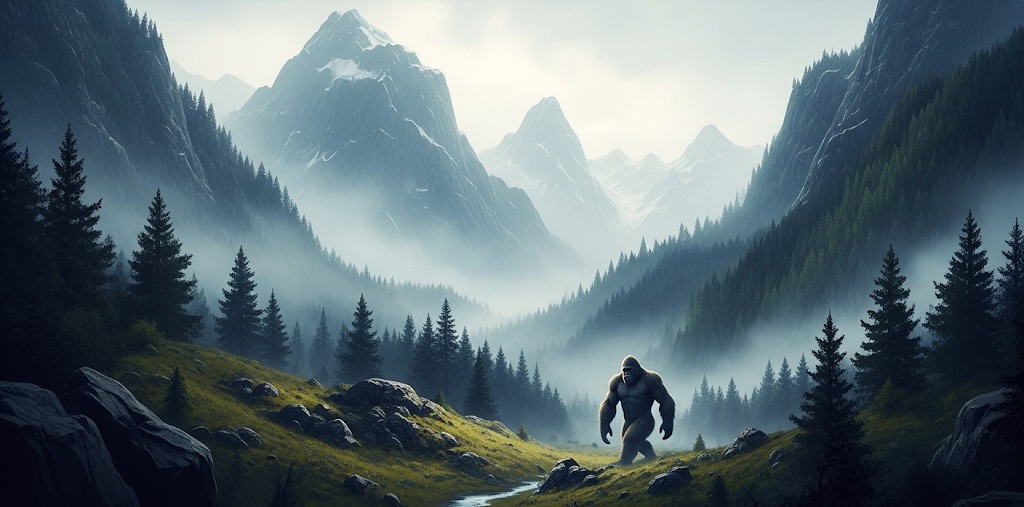
Long before the West ever uttered the names Yeti or Bigfoot, Europeans were deeply entrenched in the belief of the wild man. Tracing back to sources from the 9th-10th centuries, this figure solidified his image by the 12th century. Medieval lore painted the wild man as remarkably similar to ordinary humans, albeit towering in stature and almost entirely covered in hair, though sometimes depicted with flowing beards and simple loincloths rather than full body fur. These creatures allegedly inhabited the forests and mountains of Europe, devoid of speech and the trappings of civilization, wielding clubs as their primary tools. Scholars suggest that the wild man image is a fascinating tapestry woven from:
- Characters of Greek and Roman mythology, such as satyrs, fauns, or the sylvan deity.
- Christian legends of holy hermits living in solitude.
- Accounts from ancient historians and geographers detailing wondrous peoples from far-off lands.
- Even distorted reports about monkeys, showcasing the early encounters with unknown primates.
The wild man frequently graced medieval literature, paintings, prints, and tapestries, appearing on everything from candlesticks to church cornices. By the late 17th century, however, his widespread prominence faded, primarily persisting in heraldry. A captivating echo of this archetype can be found in J.R.R. Tolkien’s The Lord of the Rings, where the Druedain, a forest-dwelling people of Middle-earth, clearly draw inspiration from these medieval legends.
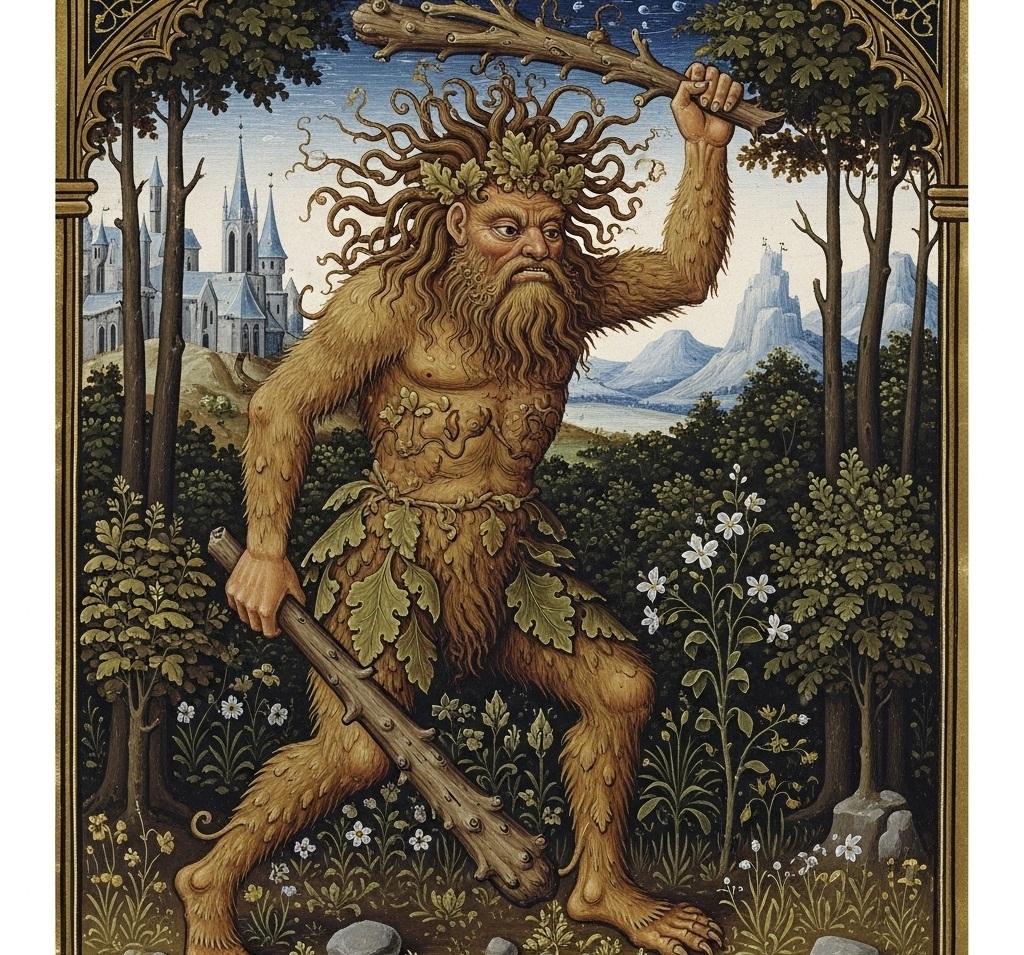
Intriguingly, when 19th-century scientists began reconstructing ancient humans, they may have unconsciously relied on the wild man image, inadvertently influencing later conceptions of the Yeti and other Bigfoot figures.
Yeti | Timeless Classics of the Himalayas
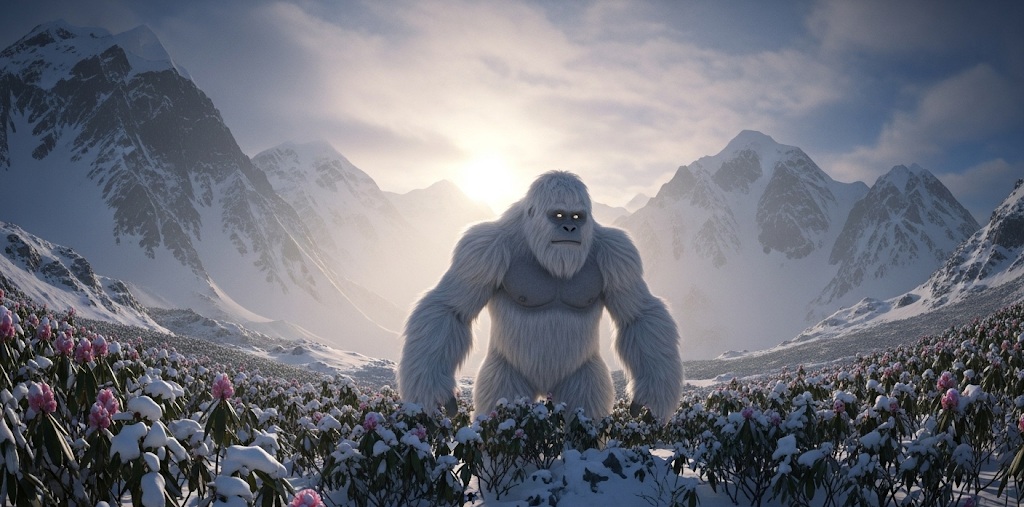
The late 19th and early 20th centuries marked an era of intense exploration, as European travelers ventured into the last uncharted territories of Central Asia, particularly the Himalayas and Tibet. Here, they encountered local stories of the Yeti, mysterious creatures described as human-like, yet larger and covered in thick hair. These beings were said to inhabit the snowline, typically avoiding humans, but capable of harm, such as livestock theft.
While Yeti stories could have easily been dismissed as mere myths, given the prevalence of hairy giants, wild people, and humanoid monsters in global folklore, European researchers approached them with surprising seriousness. This earnestness stemmed from the turn of the 19th and 20th centuries, a period overflowing with popular science literature on ancient people. Scientists drew parallels between existing ideas about our early ancestors and the Yeti, postulating that this creature could be a surviving predecessor of man, perhaps a Neanderthal who had endured in the Asian mountains. As new species of ancient primates were discovered by paleontologists, other theories emerged, with the Yeti being linked to Pithecanthropus or even Gigantopithecus.
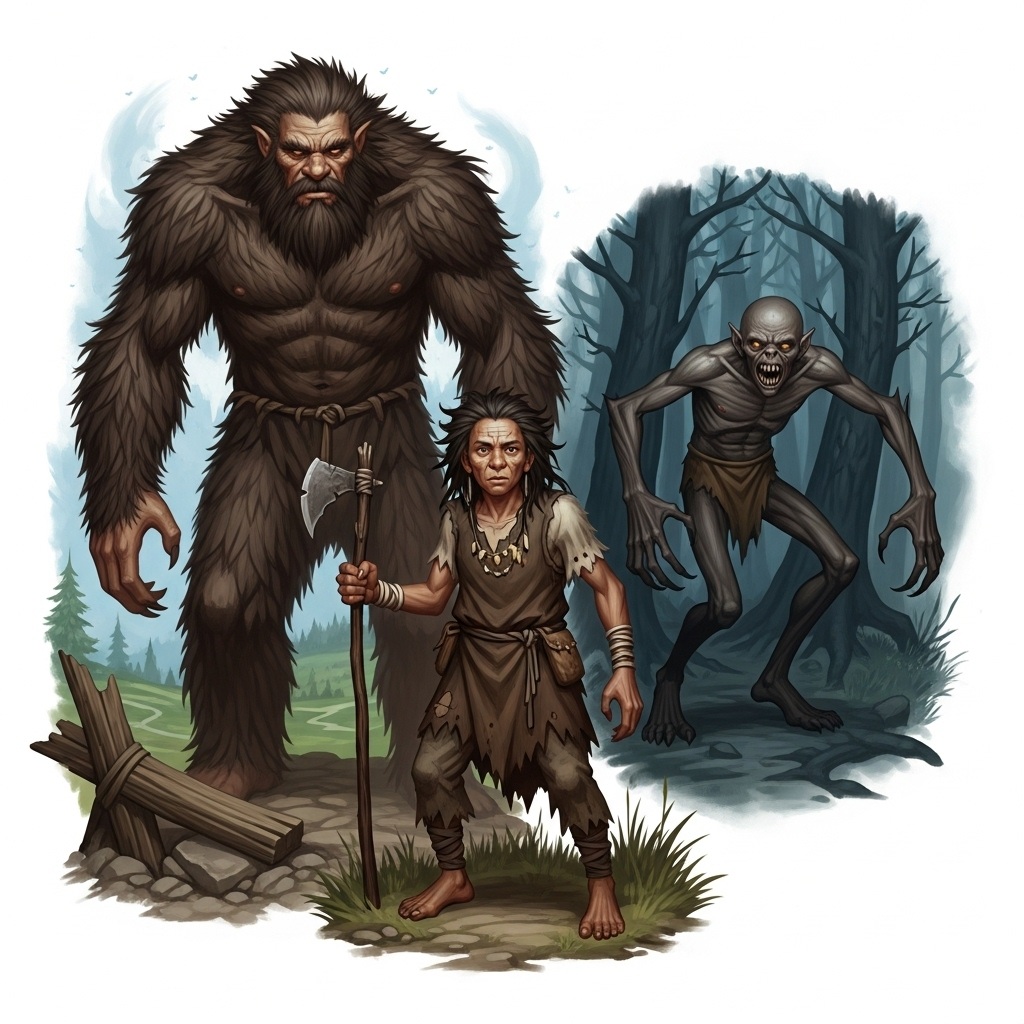
Despite extensive efforts, no definitive proof of the Yeti’s existence has ever materialized. The best available evidence remains undocumented encounters or the discovery of enigmatic footprints. Yet, by the mid-20th century, this lack of concrete proof became secondary. The image of the Himalayan Yeti had firmly embedded itself in Western culture. Inspired by its notoriety, zealous cryptozoologists began scrutinizing the folklore of other regions, convinced they would find evidence of Bigfoot and similar creatures living literally everywhere, from North America and Siberia to Australia.
Bigfoot | The American Enigma
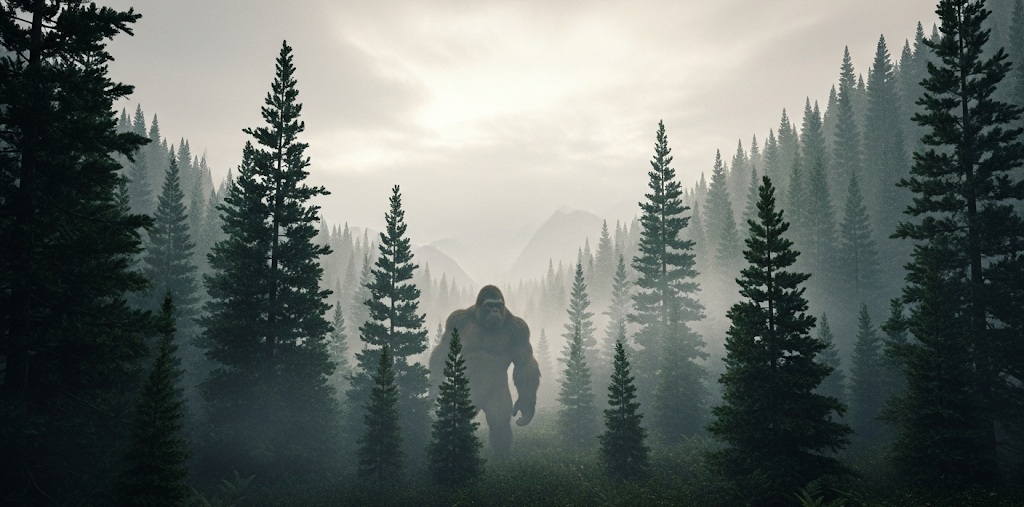
Bigfoot, also famously known as Sasquatch, stands as arguably the second most recognized Bigfoot after the Yeti. Commonly depicted as a hairy giant or a bipedal great ape, Bigfoot is believed to reside in the dense forests of the western United States and Canada, with roughly a third of all reported sightings originating from these areas.
Hints of creatures distantly resembling Bigfoot can be found in the folklore of numerous North American Indian tribes. These tales feature a diverse array of humanoid creatures, ranging from aggressive giants to diminutive, furry figures. European colonists in the 19th century also occasionally reported encounters with similar beings. However, the true genesis of the modern Bigfoot phenomenon occurred at the turn of the 19th and 20th centuries. Its image likely crystallized from a multitude of sources:
- Legends of a wild man, imported from Europe.
- Early paleontological reconstructions of Neanderthals and other ancient humans.
- Images of great apes, captivating the public imagination.
- And, subsequently, stories of the Himalayan Yeti. Native American folklore also played a role in the character’s development, though likely more as a post-facto adaptation to existing Bigfoot ideas rather than a primary influence.
The term “Bigfoot” itself likely originated in 1958. That year, a logging company employee in Northern California discovered human footprints approximately 40 centimeters long in the woods. This sensational story was widely disseminated by the media, officially bestowing upon the North American Bigfoot its now-famous moniker.

As with other Bigfoot figures, no irrefutable evidence of Bigfoot’s existence has ever been found. Even the widely discussed Patterson-Gimlin film, purported to depict the creature, is largely considered a fake. Zoologists often explain the numerous Bigfoot sightings by suggesting that people frequently mistake bears, particularly American black bears (Ursus americanus) standing on their hind legs, for relict hominids. This theory is supported by a notable positive correlation between the population density of bears and the frequency of reported Bigfoot encounters.
Chuchuna | Siberia’s Tundra Hunter
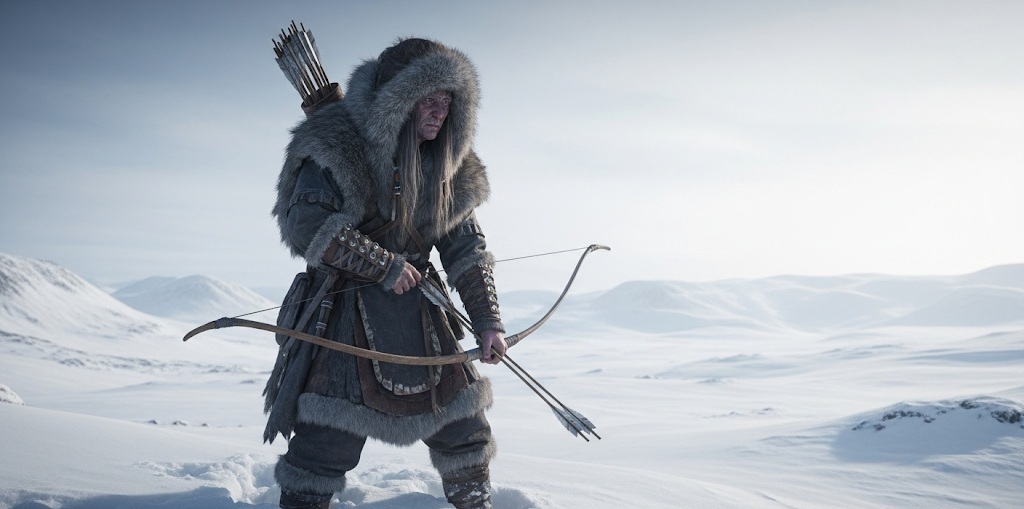
In 1929, the newspaper “Autonomous Yakutia” published an intriguing article titled “Chuchuna.” It asserted that in northern Yakutia, since Tsarist times, encounters with an unknown people were regularly reported. These beings were described as tall, long-haired, dressed in animal skins, and armed with bows and arrows. They were not particularly friendly, known for shooting at locals, throwing stones, and stealing reindeer and food. Curiously, no women or children were ever sighted among them. The Yakuts called these mysterious figures Chuchuns.
Other peoples of Northern Yakutia also harbored tales of wild people: the Evenks referred to them as Moulins, while the Rusustyintsy called them “thin” Chukchi.
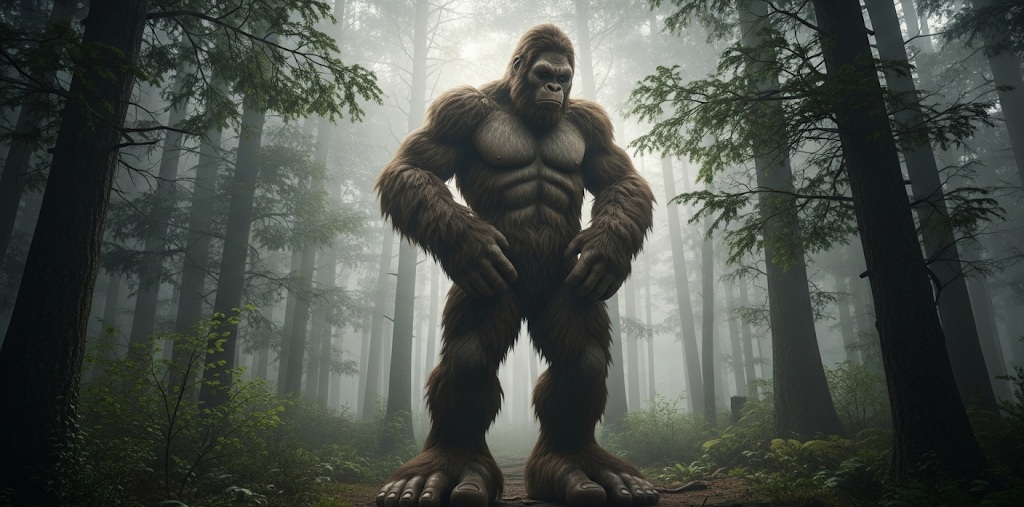
In 1933, geologist and local historian Peter Dravert published “Wild people of the Mühlen and Chuchuna,” concluding that Yakutia was indeed home to “peculiar representatives of the human race, close in lifestyle to people of the Stone Age.” For decades, the Chuchuns were rarely mentioned but continued to be considered an unknown people. However, from the mid-20th century onwards, under the pervasive influence of Yeti and Bigfoot stories, the Chuchun image gradually morphed into a stereotypical Bigfoot, a hairy giant with enormous feet. This is how the Chuchuna now frequently appears in the works of cryptozoologists and in various works of art.
Scientists, however, offer a more prosaic interpretation of Yakutia’s wild people. Soviet ethnographer Ilya Gurvich, who dedicated decades to this subject, concluded that the Chuchun prototype was likely the coastal Chukchi. During spring hunts for sea animals, some Chukchi would occasionally find themselves adrift on broken ice floes, carried westward to the shores of Yakutia. Unable to return home or procure food, their only recourse was to steal from locals. Additionally, the Chuchun image may have been influenced by Yakut, Evenk, and Even myths about first peoples, nature spirits, and monsters.
Orang Pendek | Perhaps the Most Realistic of All Bigfoot?
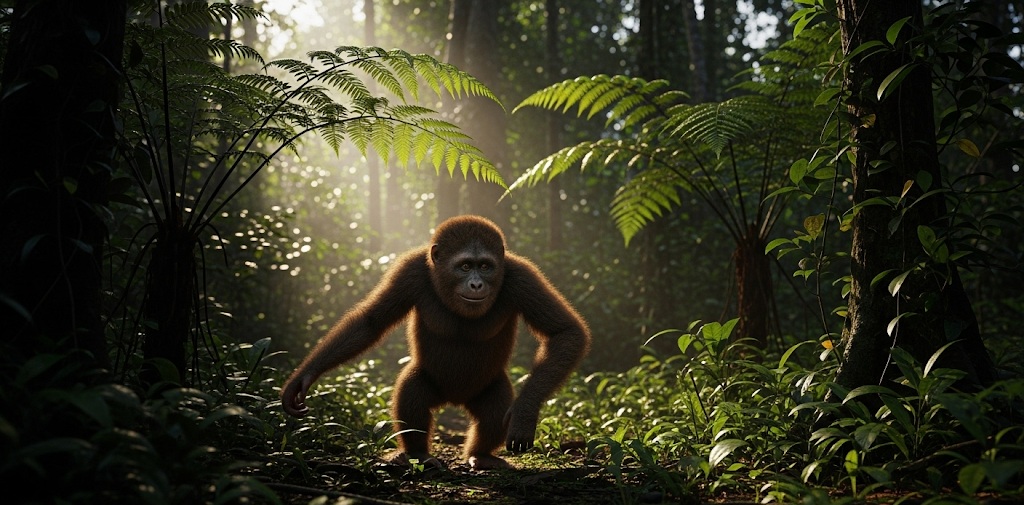
The indigenous people of Sumatra tell tales of humanoid creatures inhabiting the dense forests on the slopes of their local mountains. These beings, covered in short hair, stand between 80 and 150 centimeters tall. They are known as Orang Pendeks, meaning “low people” (though they have other names, such as Khantu-Pendek). They are believed to walk on two legs, live on the ground (unlike orangutans, which are arboreal), and exist in small groups. Their diet primarily consists of fruits and tubers, supplemented by invertebrates and carrion.
The Orang Pendek and similar creatures have seemingly been part of the indigenous people’s folklore on Sumatra for centuries. In the 1910s, mentions of them began appearing sporadically in the notes of Dutch colonists. Later, in the 1980s, reports of Orang Pendeks caught the attention of cryptozoologists, who took them very seriously. Enthusiasts speculated that these creatures could be an unknown species of anthropoid ape, perhaps terrestrial relatives of orangutans, or even dwarf representatives of the genus Homo, similar to the Flores hobbits (Homo floresiensis).
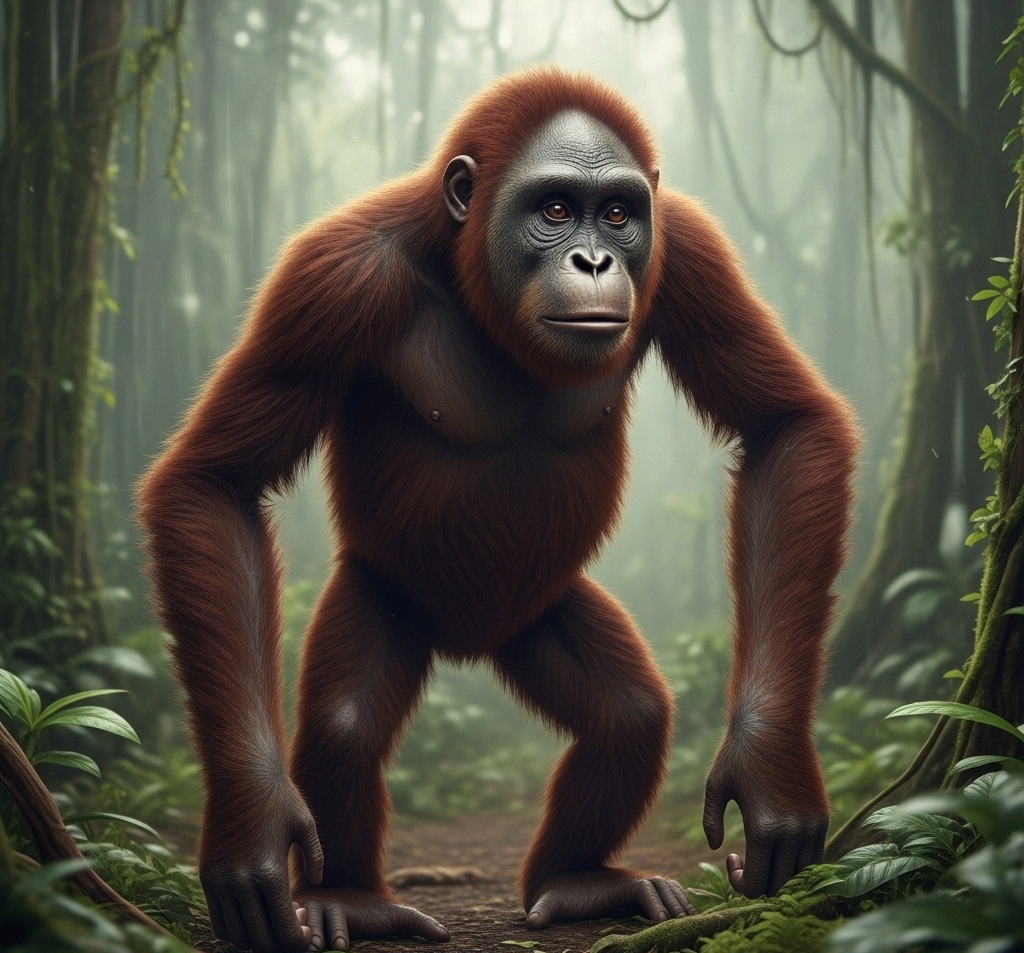
Admittedly, among all the Bigfoot figures, the Orang Pendeks are perhaps one of the most realistic. Just a few decades ago, the jungles of Sumatra were vast enough to potentially harbor large primates of a new kind. However, several scientific expeditions launched in search of the Orang Pendek between 1990 and 2010 returned without any evidence of its existence. Furthermore, the area of the Sumatran jungle has significantly shrunk in recent times due to deforestation, suggesting that even if these relict hominids once lived there, they are most likely now extinct.
Yowie | Like the Yeti, but From Australia
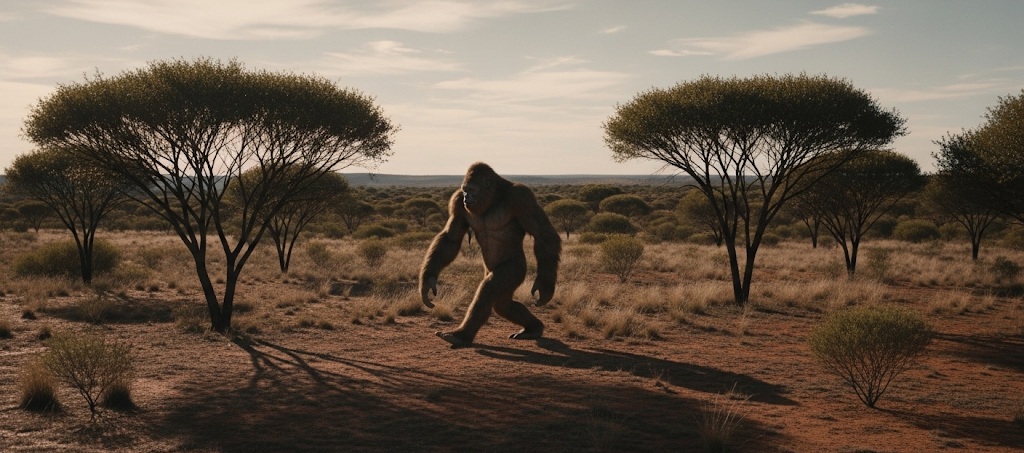
Snow may be a rare sight outside the high mountains of Australia, but even this continent boasts its own version of Bigfoot. Today, this creature is commonly referred to as the Yowie. It allegedly resembles a gorilla or a huge hairy man and is said to inhabit the sparsely populated regions of Australia.
Cryptozoologists hold differing views on the nature of the Yowie. Some consider it a representative of the genus Homo or an anthropoid ape, implying its ancestors migrated to Australia from Asia. Others express a more intriguing hypothesis: that the Yowie is a marsupial mammal that has developed similarities to large primates through convergent evolution. For serious researchers, however, the Yowie is primarily an intriguing character of modern mythology, an image in which characters from Aboriginal legends and early European colonists’ tales have blended with common Western ideas about Bigfoot.

The earliest mentions of giant apes supposedly living in Australia date back to the late 18th and early 19th centuries. Initially, Europeans simply retold, likely in a highly distorted manner, the Australian Aboriginal legends about humanoid creatures known as Yehu. It appears they then began to believe in these stories themselves, as evidenced by notes in Australian newspapers from the 19th to early 20th centuries detailing encounters with “Australian gorillas.”
Subsequently, interest in these creatures waned until it was reignited in the 1970s by cryptozoologist Rex Gilroy. Inspired by the stories of the Himalayan Yeti and the North American Bigfoot, Gilroy set out to prove that Australia possessed its own Bigfoot. Despite dedicating his life to the search for the Yowie, he never achieved success.
Mapinguari | Guardian of the Amazonian Jungle
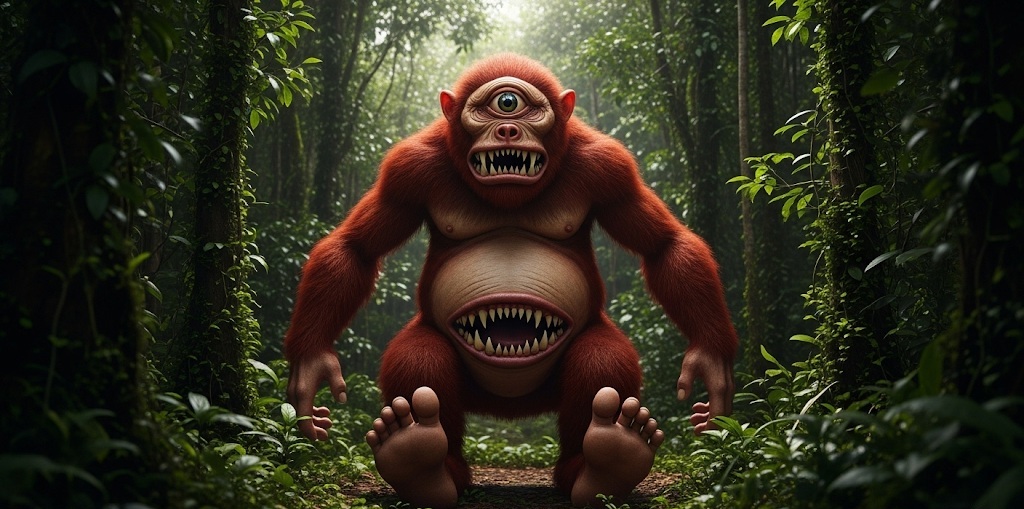
The Mapinguari is a captivating figure from the folklore of the indigenous peoples inhabiting the Amazon jungle. According to their myths, the Mapinguari appears as a reddish-furred man with a single eye in the center of its forehead, much like a cyclops. It possesses an enormous mouth with sharp teeth on its belly, and its feet are turned backward, heels facing forward, to confound trackers. Legend has it that the Mapinguari was once a shaman who achieved immortality, but in doing so, angered the gods, who transformed him into a monster as punishment. Ultimately, the Mapinguari became a spirit dedicated to protecting the forests and the animals within them. Other similar characters also exist in South American myths.
In the 1950s, stories about the Mapinguari captured the attention of cryptozoologists. They immediately declared it a South American version of Bigfoot, or at the very least, a giant ape of an unknown species. Peculiar details such as the single eye and the belly-mouth were often conveniently disregarded.
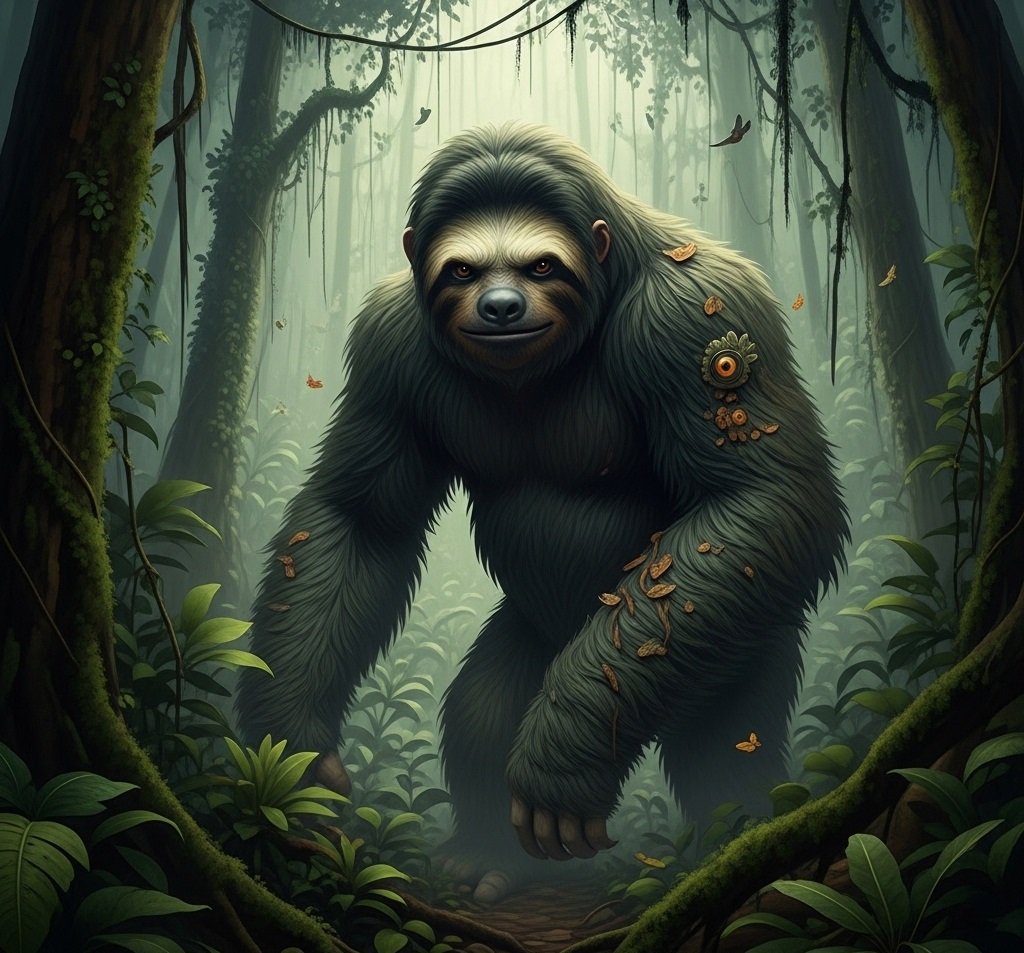
For a considerable time, the Mapinguari was listed alongside the Yeti and Bigfoot. However, in 1993, ornithologist David Oren proposed a novel hypothesis. According to Oren, the Mapinguari is in fact a giant sloth, the last surviving representative of a group exterminated by the Paleo-Indians just a few thousand years ago. This idea quickly gained widespread acceptance among cryptozoology enthusiasts. Nonetheless, Oren has yet to provide any concrete evidence that the Mapinguari exists beyond the realm of indigenous myths and into real life.