




The prohibition is real and well documented.
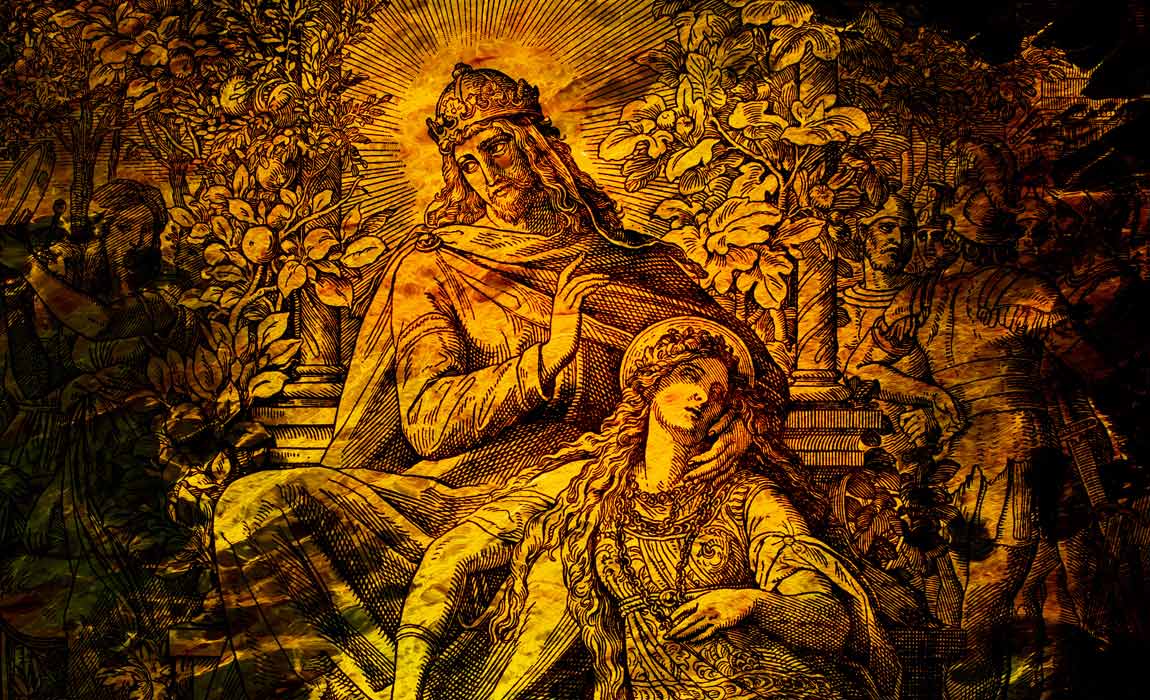
First Kings 6:7 states that the First Temple of Solomon was built of stone dressed at the quarry, so that neither hammer nor axe nor any iron tool was heard in the temple while it was being built. The temple’s dimensions appear in the same text: sixty cubits long, twenty cubits wide, thirty cubits high. The stones required for a structure of these dimensions, cut to the measurements that the construction specifications describe, would have required significant stone-cutting capability.
The problem is the prohibition. If no iron tools were used in the Temple’s construction, what was used to cut the stone to the required dimensions and finish? This is not a theological puzzle. It is an engineering question whose answer the biblical text does not provide and which the conventional archaeological account of First Temple period construction technology has not satisfactorily resolved.
The Talmudic answer is the Shamir.
Tractate Sotah 48b and Tractate Gittin 68a of the Babylonian Talmud both describe the Shamir as the agent used to cut the Temple stones without iron. Its description in these texts is specific enough to evaluate against known technologies and detailed enough to generate the interpretive debate that has occupied rabbinical and alternative archaeology scholarship for centuries.
The Shamir was created at twilight on the sixth day of creation, in the last moments before the first Sabbath. It was the size of a barleycorn. It could cut through stone, iron, and diamond. It could not be contained in any metal vessel but was kept wrapped in wool inside a lead box, surrounded by barley bran. After the Temple’s destruction it disappeared, along with several other sacred objects. Its present location is unknown.
Whatever the Shamir was, what describes it maintains these properties with remarkable consistency across the Talmudic and later rabbinic literature. The size of a barleycorn. Contained in wool inside a lead box. Able to cut what no iron tool could cut.
What the Shamir Might Have Been
The properties of the Shamir have generated three categories of interpretation in the literature that examines it seriously.
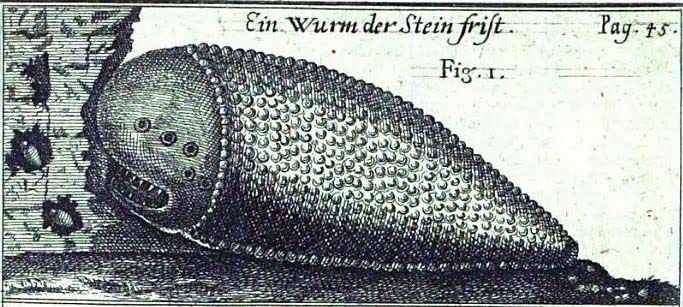
The biological interpretation proposes that the Shamir was a worm or creature of some kind, possibly a woodpecker-like bird that the Talmud elsewhere associates with it, whose biological capabilities allowed it to mark or score stone in ways that allowed the stone to be split along the scored lines without iron cutting. The Talmud does in some passages describe the Shamir as a living thing and the wool wrapping and barley bran as its bedding and food. This interpretation resolves the containment requirement but does not address the diamond-cutting capability.
The chemical interpretation proposes that the Shamir was a substance, possibly an acid or other chemical agent, whose corrosive properties could etch stone without the mechanical impact of metal tools. The lead container makes sense for a strong acid: lead is resistant to many acids that would destroy other metals. The wool wrapping would protect the lead from external contact. The barley bran might be a stabilizing agent. The chemical interpretation accounts for the diamond-cutting capability more plausibly than the biological interpretation but does not account for the Shamir being created on the eve of the first Sabbath as a unique object rather than as a natural substance.
The technological interpretation proposes that the Shamir was a device whose operating principle is described in terms its ancient recipients could understand rather than in terms that accurately describe its physical mechanism. The lead container suggests protection from radiation or from electromagnetic effects. The wool wrapping as insulation, the size description as calibration, and the disappearance along with other sacred technological objects at the Temple’s destruction, are consistent with a device rather than a biological organism or a chemical substance.
The technological interpretation’s candidates include laser-like focused energy devices, acoustic resonance instruments, and electrochemical etching devices using electrolytic principles that the Baghdad Battery piece in this library establishes were known in the ancient world in primitive form. None of these candidates is established by the available evidence. The combination of the Shamir’s described properties, the cutting of stone and diamond without conventional tools, the containment requirements, and the prohibition on showing it to the sunlight, which Gittin 68a mentions, is consistent with a device whose operating principle involved electromagnetic or optical effects rather than mechanical cutting.
The sunlight prohibition is the most telling detail for technological interpretation: a device that must be shielded from direct sunlight is either photosensitive in a way that biological organisms and simple chemicals typically are not, or operates through the manipulation of light in a way that uncontrolled solar exposure would disrupt.
The Talmud records that Solomon obtained the Shamir from Asmodeus, the king of demons, who himself obtained it from the prince of the sea, who obtained it from the hoopoe bird. Whatever transmission chain this mythology encodes, the Shamir arrived at Solomon through a non-human intermediary rather than through conventional human technology development. Whether this reflects the genuine origin of a technology whose development was not within the human technological range of the period, or reflects the standard mythological attribution of extraordinary capabilities to divine or demonic rather than human agency, is the interpretive question this account raises.
The Testament of Solomon and the Seventy-Two
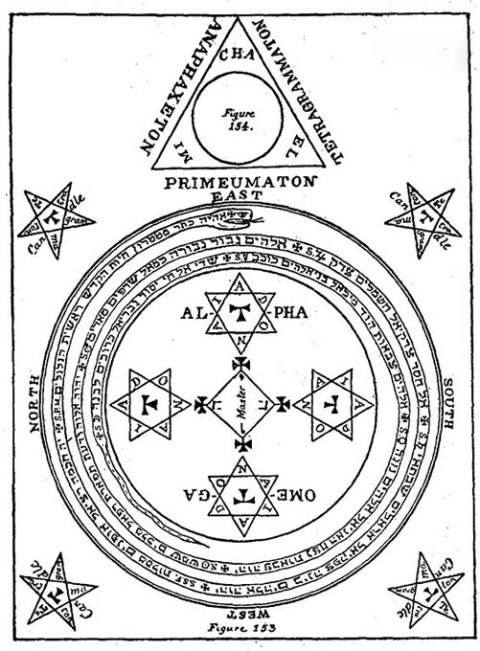
The Testament of Solomon is a pseudepigraphical Jewish-Greek text whose composition has been dated by scholars including Chester McCown, whose 1922 critical edition remains the standard academic reference, to approximately the first through fourth centuries CE. It claims to be Solomon’s first-person account of how he summoned and bound seventy-two demons and their legions to labor in the construction of the First Temple.
The text’s narrative structure is specific: an archangel delivers a ring to Solomon that gives him authority over demonic intelligences. Solomon summons each demon, interrogates it about its name, its nature, its malefic functions, the harm it causes to human beings, and the angel or divine name that has power over it. The demon then submits to his authority and is assigned a role in the Temple’s construction.
The seventy-two demons of the Testament of Solomon correspond to the seventy-two spirits of the Ars Goetia, the first section of the Lesser Key of Solomon compiled in the seventeenth century. Whether this correspondence reflects a continuous line transmitted from Solomon’s period through the Talmudic period to the medieval grimoires, or whether the later material drew on the earlier text and produced an artificial continuity, is a question the transmission history of the relevant texts does not definitively resolve.
The information Solomon extracts from each demon through the ring’s authority is worth examining for what it implies about the underlying understanding of the demonic hierarchy’s structure. Each demon has a name, a location or domain, a type of harm it causes, a symbol or sigil, and a divine authority that constrains it. This taxonomy is not random: it is a systematic classification of non-human intelligences by nature, function, and vulnerability.
Whether this taxonomy reflects genuine ancient knowledge about the structure of a non-human intelligence hierarchy, the angelology recorded in the angelic hierarchy piece’s development of the Pseudo-Dionysian framework applied to the opposing demonic hierarchy, or a sophisticated ancient psychological framework encoding human behavioral pathologies and their remedies in mythological form, is the interpretive question that the Testament’s detail raises.
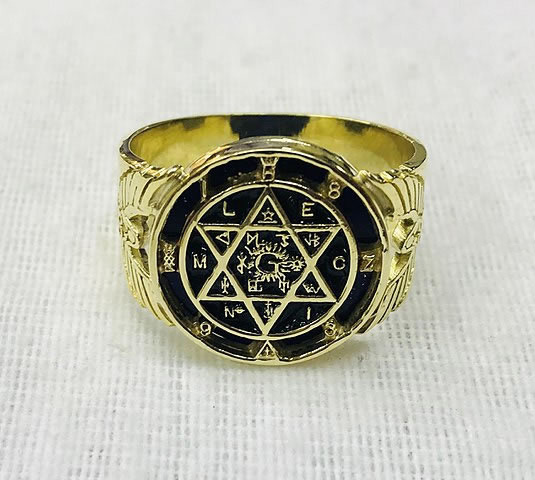
The ring that gives Solomon authority over this hierarchy is the Seal of Solomon, delivered by the archangel Michael according to some versions of the story and by God directly according to others. Its configuration, a geometric seal inscribed on a ring of two metals combined with four precious stones, is the physical instrument through which the authority operates. The four stones and their association with the four elements, air, water, earth, and fire, connect the Seal to elemental control practices recorded across ancient magical texts in multiple cultures.
The Kebra Nagast and the Flying Chariot
The Kebra Nagast, the Book of the Glory of the Kings, is the Ethiopian national epic whose composition in its current Ge’ez form is dated to approximately the thirteenth century CE but whose content draws on material that the Ethiopian Orthodox Church maintains is of much greater antiquity. It is canonical scripture within Ethiopian Orthodoxy.
The Kebra Nagast’s account of Solomon’s relationship with the Queen of Sheba, called Makeda in Ethiopian belief, is the most developed narrative in any ancient text of this relationship and the one whose claims are most relevant to the Ark of the Covenant’s current location.
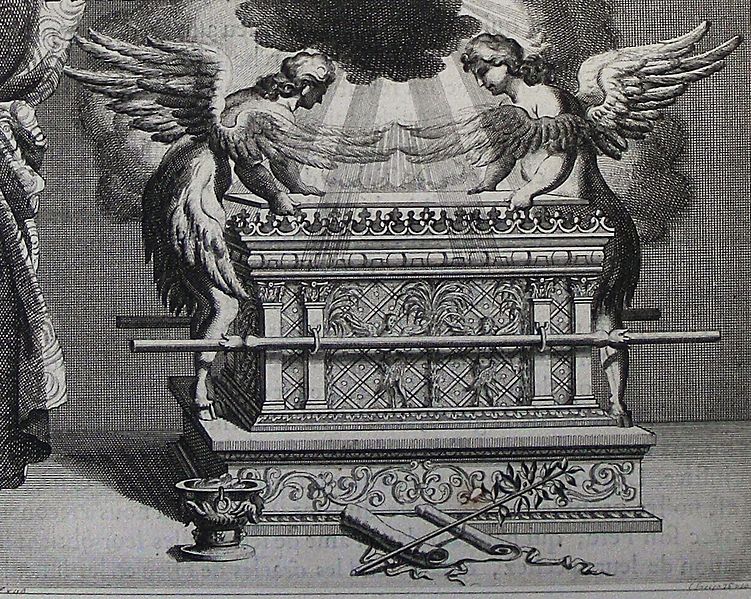
The Ark piece in this library develops the Ethiopian Ark claim in detail, including the Elephantine Papyri corroboration and Graham Hancock’s published research. The element the Ark piece does not develop is the Kebra Nagast’s flying chariot narrative.
The text describes a vehicle called the heavenly chariot or the ship of the sky that Solomon used to travel between Jerusalem and Sheba. The description of this vehicle’s operation is not the metaphorical aerial journey of a spiritually elevated being: it describes a craft that carries passengers, moves at speeds, and travels routes between geographic locations.
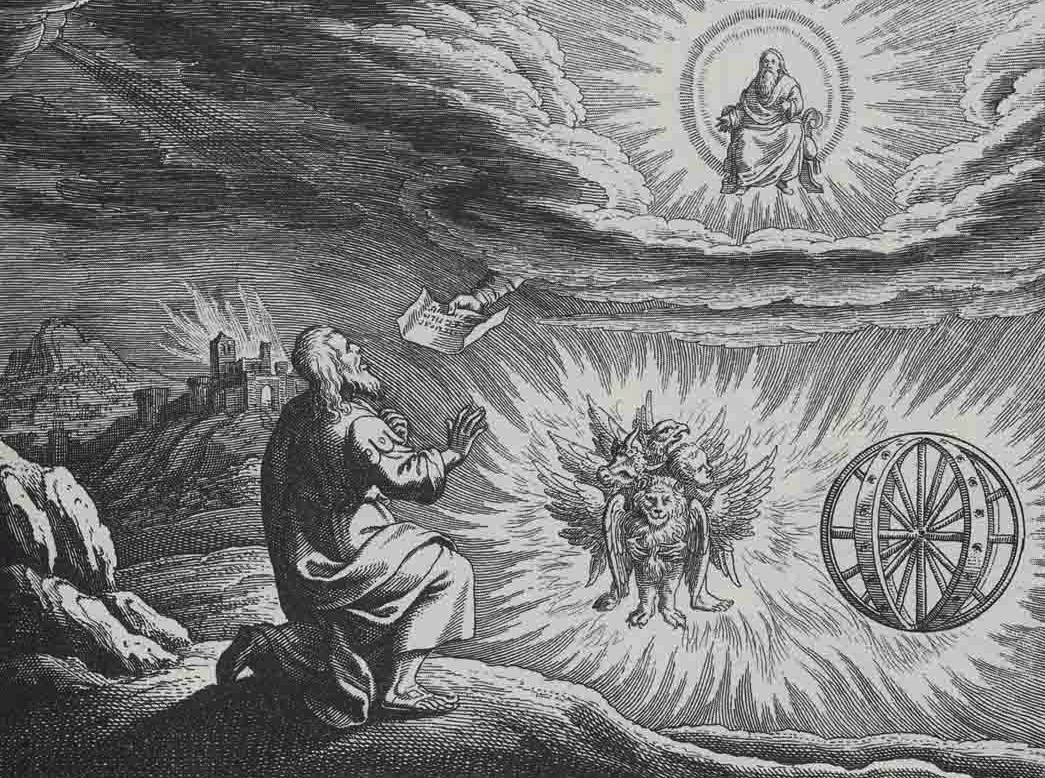
Whether the Kebra Nagast’s flying chariot is the same class of vehicle as the Ezekiel chariot described in Merkabah mysticism, the Vedic vimanas recorded in the ancient technology pieces, or the flying vehicles attributed to various ancient heroes and gods across independent cultures, is a question the detail of the Kebra Nagast account makes worth examining.
The Kebra Nagast’s framing, that the chariot is a heavenly object given to Solomon rather than a human technological development, follows the same narrative structure as the Shamir’s origin through demonic intermediary and the Seal’s origin through angelic delivery. Solomon’s technological arsenal, across every version of the story, consistently arrives through non-human transmission rather than through human engineering.
Whether this consistent narrative structure reflects the genuine origin of technologies that were transmitted to Solomon from non-human sources, or reflects the standard ancient practice of attributing extraordinary capabilities to divine origin to explain their apparent impossibility within the human technological baseline of the period, is the interpretive question that this recorded material raises.
The Table and Remote Viewing
Solomon’s Table appears in multiple versions of the story. The Thousand and One Nights version, recorded in the source, describes a table with a mirror surface that provided remote viewing capability: observation of any location in the world and access to past and future events from the mirror’s surface.
The remote viewing piece in this library covers the consciousness state through which the Stargate program achieved verified accurate information about distant locations. Whether Solomon’s Table was a physical device that produced this capability through a technological mechanism, or a ritual object that focused the human consciousness expansion capabilities recorded in the remote viewing research, or both simultaneously, is a question the available evidence cannot resolve.
The claim that the Table provided access to past and future events, not only distant spatial locations, extends the capability beyond what the Stargate program’s recorded results established for its viewers. Whether this temporal dimension reflects a genuine capability of the device or a mythological elaboration of the spatial remote viewing function is not established.
The Table’s additional function as a container for the Shem Ha-Meforash, the explicit name of God in Kabbalistic belief, connects it to the broader use of divine names as operating principles for the technologies and rituals of the Solomonic system. The divine name in the Kabbalistic framework is not simply a word: it is the vibrational or informational pattern through which aspects of divine reality are accessed. A table containing the divine name in this framework is an instrument whose function is to concentrate and make accessible the divine principle that the name encodes.
Whether this reflects a genuine ancient understanding of frequencies or information patterns that produce effects when deployed in configurations, or reflects the symbolic theology of a sophisticated mystical system whose operational claims are metaphorical rather than literal, is the question that connects these Solomonic artifacts to the broader framework of ancient technology this library has been building.
The Transmission Chain
The Solomonic magical texts, the Key of Solomon, the Lesser Key, and the Testament, have a well established transmission history that connects them to the broader esoteric transmission recorded in the Gnostic Transmission piece and the Picatrix piece in this library.
The Key of Solomon exists in multiple manuscript versions in Hebrew, Latin, Greek, and Italian, with the oldest surviving manuscripts dated to the fourteenth and fifteenth centuries but claiming to preserve material of much greater antiquity. Its contents, including the construction of magical tools, the timing of operations according to planetary hours, and the invocations for summoning and binding spiritual entities, are consistent with the broader Hermetic-Kabbalistic synthesis that the Renaissance esoteric esotericism developed from the same ancient sources.
Cornelius Agrippa’s Three Books of Occult Philosophy, published in 1531, draws extensively on Solomonic material and systematizes the correspondences between divine names, angelic and demonic hierarchies, planetary influences, and material instruments in a way that connects the ancient Solomonic material to the Renaissance Hermetic framework.
John Dee’s Enochian system, recorded in the Enochian piece in this library, was understood by Dee himself as recovering the original pre-Babel language that Solomon had used in his operations. Whether this claim reflects Dee’s genuine understanding of the relationship between his received material and Solomonic legend, or is a legitimizing framework that connected his novel reception to an established body of belief, the connection Dee drew between the Enochian and Solomonic systems appears in his diaries.
The transmission chain from Solomon’s Temple, through the Talmudic preservation of the Shamir and Table narratives, through the medieval grimoire compilations, through the Renaissance Hermetic synthesis, and through the Rosicrucian and Freemasonic movements that the Gnostic Transmission piece covers, is the chain through which the knowledge encoded in the Solomonic artifacts was intended to be transmitted.
Whether the transmission preserved genuine operating knowledge about technologies and non-human intelligence interactions, or preserved the symbolic encoding of psychological and spiritual principles whose literal technological interpretation was never intended, is the question that the artifacts’ recorded properties make genuinely difficult to resolve in either direction.
The Shamir cut stone without iron. The Table showed distant and future events. The Seal bound seventy-two intelligences to functions. The chariot flew between continents.
Either these are mythological expressions of spiritual principles encoded in technological metaphor, or they are descriptions of actual capabilities preserved in a form that subsequent technological development has not yet matched.
The First Temple was built without iron tools. The stones were dressed at the quarry. Neither hammer nor axe was heard during the construction.
The Shamir made this possible. What it was is still the question.