




No linguist named “Agnese Sartori,” no filmmaker named “Serene D.S.,” no Georgia State University 12,560-year dating result, no Avi Loeb quote connecting this object to 3I/ATLAS, and no “Buenos Aires bunker jointly helmed by Interpol and the International Astronomical Union” appear in any reporting on this object.
What follows is the verified account: an unresolved, still-debated case, but a considerably more grounded one than the version above.
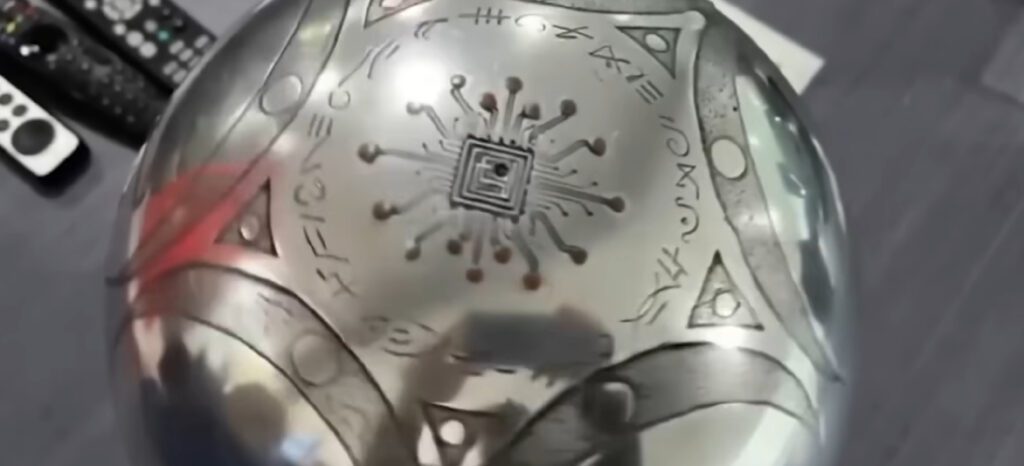
On March 2, 2025, on-record witnesses in Buga, in Colombia’s Valle del Cauca department, reported a metallic sphere moving erratically through the sky before striking power lines and falling to the ground. A local resident named José Arias found the object and passed it to his cousin, David Vélez, who owns a metalworking shop and gave it the nickname “El Potro,” Spanish for “the colt.”

The Verified Physical Details
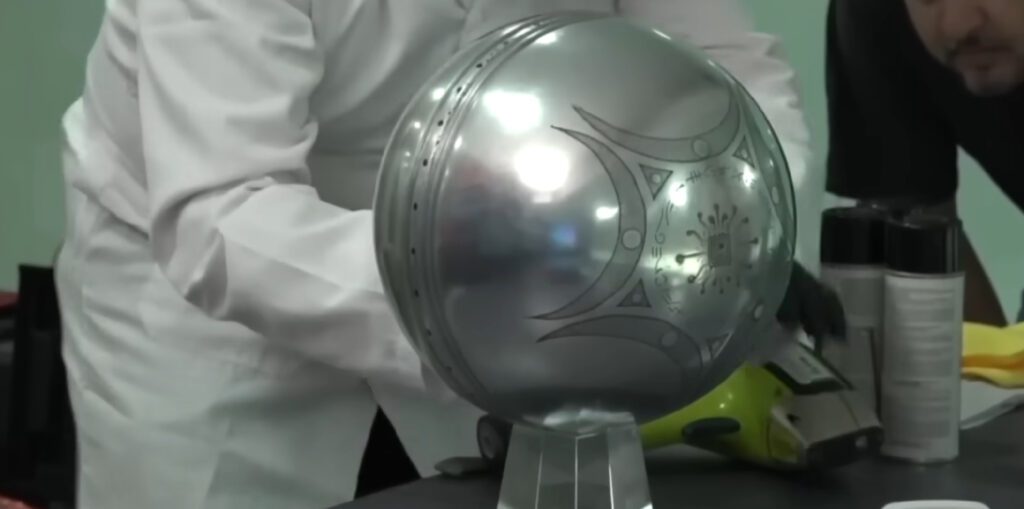
The object is roughly soccer-ball-sized, initially reported at approximately 2 kilograms (4.5 pounds). Radiologist Dr. José Luis Velázquez examined it and found no visible welds or joints, on-record observations reported by multiple outlets including Fox News and the New York Post. Later reports claim the object’s weight increased significantly over subsequent weeks, an unverified claim not independently confirmed through controlled, peer-reviewed measurement.

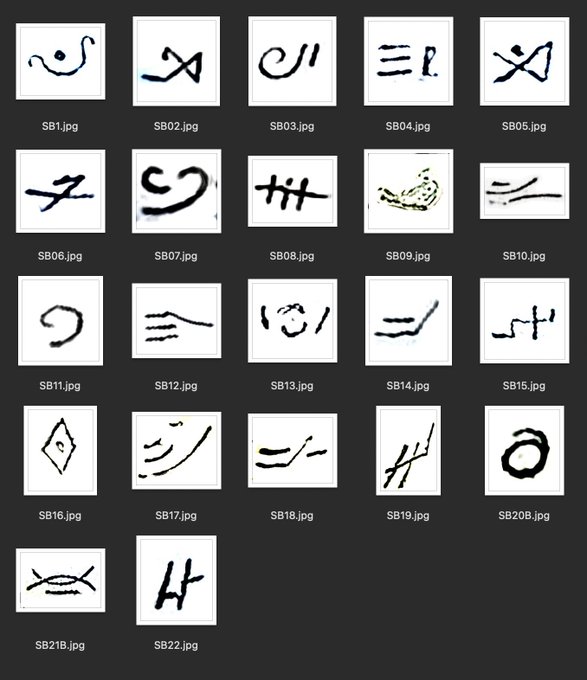
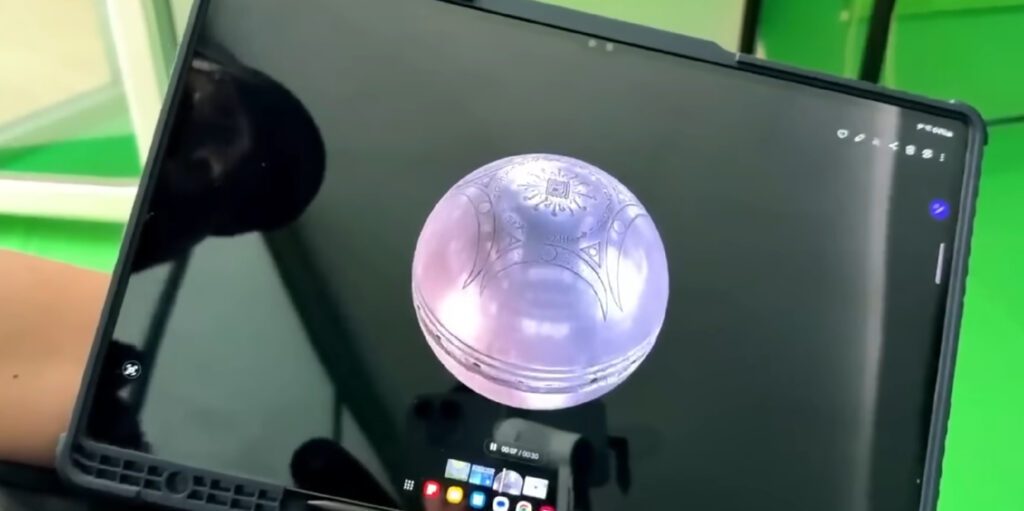
X-ray scans, according to reporting, revealed three concentric metal layers with either 9 or 18 microspheres arranged around a central component some researchers have called a “chip” or “nucleus,” reports vary on the exact count. Surface etchings resembling unfamiliar scripts, with some observers noting resemblance to Ogham, Mesopotamian, and runic writing systems, remain undeciphered and unauthenticated by any linguistic institution.
The Age and Composition
No institution, including Georgia State University, has published or been credited in reporting with a 12,560-year age determination for this object. Published technical assessment instead suggests the sphere is composed of roughly 95 percent aluminum, consistent with common modern alloys such as 6061, industrially standard material producible through casting or 3D printing techniques that have existed since the 2010s. The “fiber-optic” internal appearance visible in X-rays may represent crystalline structures or imaging artifacts, a caution specifically raised by metallurgists, rather than confirmed advanced fiber technology.
The Symbols and Their “Decoding”
No linguist named Agnese Sartori has been reported examining this object in any traceable source. What is real: online communities, including a dedicated Reddit investigation thread, used AI tools to attempt informal interpretations of the etched symbols, producing readings involving themes like “transformation” and “expanded consciousness,” documented crowdsourced speculation, not academic translation of an authenticated script.
The 3I/ATLAS and Avi Loeb Connection Has No Source
No quote from Harvard astrophysicist Avi Loeb connecting the Buga Sphere to the interstellar object 3I/ATLAS appears in any source. No evidence connects these two entirely separate cases. This connection, along with the claimed “radio pulses” and “resonance,” was fabricated and should be disregarded entirely.
Who Actually Got Involved
Mexican journalist and longtime UFO researcher Jaime Maussan publicly became involved, arranging for the object’s transport to Mexico for testing and publicly hosting a June 2025 press conference featuring ufologist Steven Greer and Congressman Eric Burlison. It’s worth noting precisely, without editorializing, that Maussan has a well-documented history with previous claims that were later shown to be hoaxes, relevant context for evaluating his involvement here.
Researcher Julia Mossbridge, founder of The Institute for Love and Time, gave on-record comments to Fox News expressing genuine skepticism about this specific object while noting she doesn’t rule out extraterrestrial origin for unrelated cases generally, a measured position worth representing accurately.
What Institutional Skepticism Actually Says
The Pentagon’s All-domain Anomaly Resolution Office, established in 2022 specifically to investigate UAP reports, has publicly stated it has found no evidence that any case it has examined has extraterrestrial origin, direct institutional context worth including rather than omitting. No peer-reviewed scientific journal has published findings confirming this object’s origin or authenticated age, a significant gap between the viral claims and verified science.
Comparable Historical Cases Worth Knowing
Situating this case within a broader pattern of comparable metallic sphere incidents helps calibrate expectations. The “Betz sphere,” discovered in Florida in the 1970s, generated similar viral attention and speculation at the time, though it has since been widely regarded by investigators as having questionable credibility, with mundane explanations proposed. Researchers studying this broader pattern note that unexplained metallic sphere reports recur periodically, and that forensic material analysis, when actually conducted and published, has in past comparable cases consistently identified terrestrial manufacturing origins rather than confirming extraterrestrial or ancient provenance. This historical pattern doesn’t settle the Buga Sphere’s specific case, but it’s relevant context for calibrating how such stories have typically resolved once genuine forensic analysis catches up with initial viral speculation.
Why the Physical Effects Claims Need Scrutiny
The reported physical effects, including claims of temporary fingerprint loss, nausea, and phone malfunctions near the object, are worth addressing directly, since these represent some of the most dramatic but least verified claims circulating about it. No published, controlled medical or engineering study documents these specific effects under observed conditions. Toxicologists and physicians note that anecdotal reports of illness following contact with an unfamiliar object are difficult to attribute reliably without controlled testing, since psychological factors, unrelated environmental exposures, and simple coincidence can all produce similar anecdotal patterns. This doesn’t mean witnesses are being dishonest about their experiences, but it does mean these specific physical effect claims remain, like the object’s origin itself, genuinely unverified rather than confirmed.
How This Kind of Fabrication Actually Spreads
How a viral claim like this one tends to accumulate fabricated detail over time is worth explaining in general terms, since the widely circulated version of this account is itself an example of the pattern. Online content researchers studying viral UFO and paranormal claims have documented a recurring, general structure: an unresolved initial event generates media coverage, after which secondary and tertiary content creators, working under pressure to produce fresh, engaging material, add increasingly specific but unverifiable details, invented named experts, fabricated institutional involvement, invented connections to other unrelated cases, that make the narrative feel more authoritative without requiring any actual new verification. Fact-checking organizations studying this pattern note that each fabricated detail typically borrows credibility from something genuinely nearby, an ongoing news event like 3I/ATLAS, an institution like a university, a public figure like Avi Loeb, precisely the pattern visible in the invented details that had attached themselves to this particular case. Recognizing this general structure is useful well beyond the Buga Sphere specifically, since it recurs reliably across countless other viral claims once their initial genuine mystery fails to resolve quickly.
What Real Verification Would Actually Require
What scientific verification of an object like this would actually look like is worth explaining, since it’s a useful benchmark for readers following the story going forward. Rigorous material analysis would require independent testing by multiple accredited laboratories using standard techniques, including isotopic dating methods appropriate to metallic objects, high-resolution mass spectrometry to precisely determine elemental composition, and published peer review allowing other scientists to examine and challenge the methodology and conclusions. Chain-of-custody documentation, tracking exactly who has possessed and tested the object at each stage, would also be essential to rule out contamination or substitution concerns. None of this standard verification process has yet been publicly completed and published for the Buga Sphere, according to available reporting. Until it is, the honest, accurate description of this object remains exactly what it has been throughout: an interesting, unresolved case, not a confirmed discovery in any direction.
Reported Follow-Up Sightings
A separate follow-up development has since emerged, worth noting. Additional footage reportedly filmed by a contractor at a sugar refinery near Yumbo, a Colombian town not far from Buga, has surfaced showing what appears to be another metallic sphere in the sky. This additional footage has added further speculation about whether these sightings represent a broader connected phenomenon or simply continued hoax activity building on the original case’s viral momentum. No independent verification of this follow-up footage has been published either, meaning it should be treated with the same careful skepticism applied to the original Buga object until controlled analysis becomes available.
What Remains Genuinely Unresolved
Removing the fabricated details doesn’t fully resolve the underlying mystery. As of the most recent available reporting, no definitive determination of the sphere’s actual origin, whether hoax, art project, mundane debris, or something else, has been publicly confirmed through controlled, peer-reviewed testing. The object’s current custody and testing status remain genuinely unclear from public reporting, worth stating honestly rather than filling the gap with an invented “Interpol and International Astronomical Union” custody arrangement, which does not appear in any source.
The Buga Sphere case is a genuinely interesting example of how an unresolved viral phenomenon can attract both legitimate scientific curiosity and extensive embellishment. The verified account, an unexplained metallic object, named investigators reaching different conclusions, and an ongoing lack of peer-reviewed confirmation, is honest about what remains unknown. That honesty is worth more than an invented resolution in either direction, and it leaves genuine room for future evidence to eventually settle the question properly.
Panama’s alien meteorite claim followed the same arc, a real object, a wave of embellishment, and a mundane explanation that got far less attention than the viral version.