
Heinrich Himmler believed that the German people had forgotten what they were.
His solution was not propaganda in the conventional sense, the manufacture of emotion through imagery and spectacle. It was research. He would prove, through archaeology, philology, folklore, ethnography, and physical anthropology, that the Aryan master race had existed, that it had been the source of all significant human civilization, and that contemporary Germans were its direct descendants whose inheritance entitled them to exactly what the Nazi program was doing to acquire it.
In 1935 he established the Ahnenerbe Forschungs und Lehrgemeinschaft, the Ancestral Heritage Research and Teaching Society, as an SS institution whose mandate was the research and public promotion of the spirit, deeds, heritage, and artifacts of the Indo-Germanic race. By the war’s end it employed more than 450 researchers across 50 departments, had conducted expeditions to Iceland, Scandinavia, the Middle East, and Tibet, had looted cultural artifacts from across occupied Europe, and had provided several of its senior researchers to medical experimentation programs in the concentration camps whose specific character was established at Nuremberg.
The Ahnenerbe is remembered in popular culture primarily through the mythology that surrounded it: the Holy Grail, the Spear of Destiny, occult ceremonies in SS fortresses, contact with Himalayan masters. Almost none of this is on the historical record. What is on the record is considerably darker than any of it.
What the Ahnenerbe Actually Was
The institution Himmler created was not a mystical order. It was a research bureaucracy staffed by credentialed academics, many of whom held genuine university positions and had published peer-reviewed work before their involvement with the SS.
This is the element of the Ahnenerbe’s history that the occult mythology obscures and that its actual significance requires understanding: the institution was not a collection of cranks and true believers conducting rituals in castle basements. It was a functioning academic enterprise whose researchers included trained archaeologists, philologists, classicists, botanists, zoologists, and physical anthropologists, working under institutional structures whose external appearance resembled legitimate scholarship.
The specific corruption the Ahnenerbe represents is not the corruption of fanatics who never knew better. It is the corruption of trained scholars who subordinated their methodological standards to ideological requirements. The archaeology was conducted to confirm predetermined racial conclusions rather than to test hypotheses. The philological research was designed to find Indo-Germanic roots in every significant ancient tradition rather than to follow the evidence. The ethnographic research was designed to document racial characteristics supporting Nazi typology rather than to understand the cultures being studied.
This distinction matters because the Ahnenerbe’s model, the construction of an institutional apparatus whose external form resembles scholarship while its actual function is ideological legitimation, is not unique to National Socialism. It is a reproducible institutional structure whose operation requires understanding precisely because it can be reproduced.
The Research Program and Its Ideological Function
The Ahnenerbe’s research departments covered territory whose breadth reflects the ambition of the ideological program it served.
The archaeology division conducted excavations across Germany and occupied Europe seeking evidence of ancient Germanic settlements, fortifications, and cultural achievements whose existence would establish the historical depth and geographic reach of Aryan civilization. The excavations were real. The methodology was compromised at the interpretive level: findings that supported the ideological narrative were amplified and publicized, findings that complicated it were suppressed or reinterpreted.
The runic studies division examined the Germanic runic tradition whose symbols the SS had adopted as institutional insignia, the SS runes themselves, the Totenkopf, the Lebensrune, and the Sig rune whose doubled form appeared on SS uniforms. The research program was designed to establish the runes as expressions of an ancient Aryan spiritual tradition rather than as a writing system with a well established historical development.
The folklore division collected Germanic folk traditions, songs, customs, and stories from German-speaking communities across Europe, with the explicit purpose of documenting a living connection between contemporary German culture and the ancient Aryan heritage the Ahnenerbe was constructing in its other departments. The collection had genuine archival value as folklore documentation. Its framing was entirely ideological.
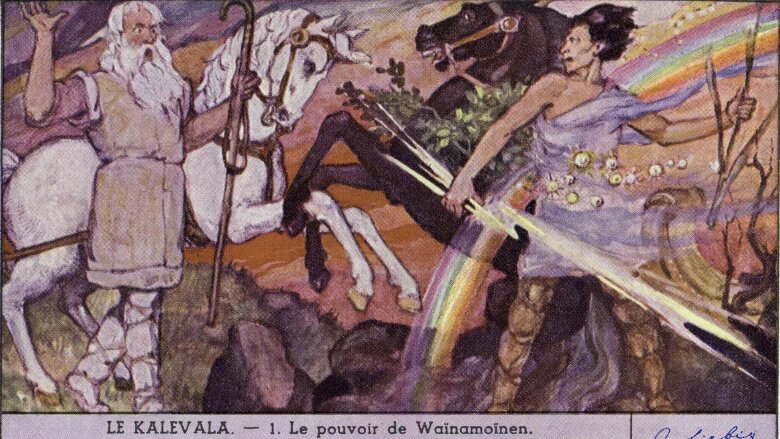
The prehistoric rock art division studied carved and painted images across Scandinavia and the Alps, interpreting them as expressions of ancient Aryan religious and cultural practice. Otto Rahn, whose pre-Ahnenerbe work on the Cathars and the Grail legend had attracted Himmler’s attention, was involved in research programs connecting medieval heretical movements to the imagined Aryan spiritual tradition.
Each department was producing pieces of the same jigsaw puzzle whose final image was predetermined. The function was not discovery. It was confirmation.
The Tibet Expedition
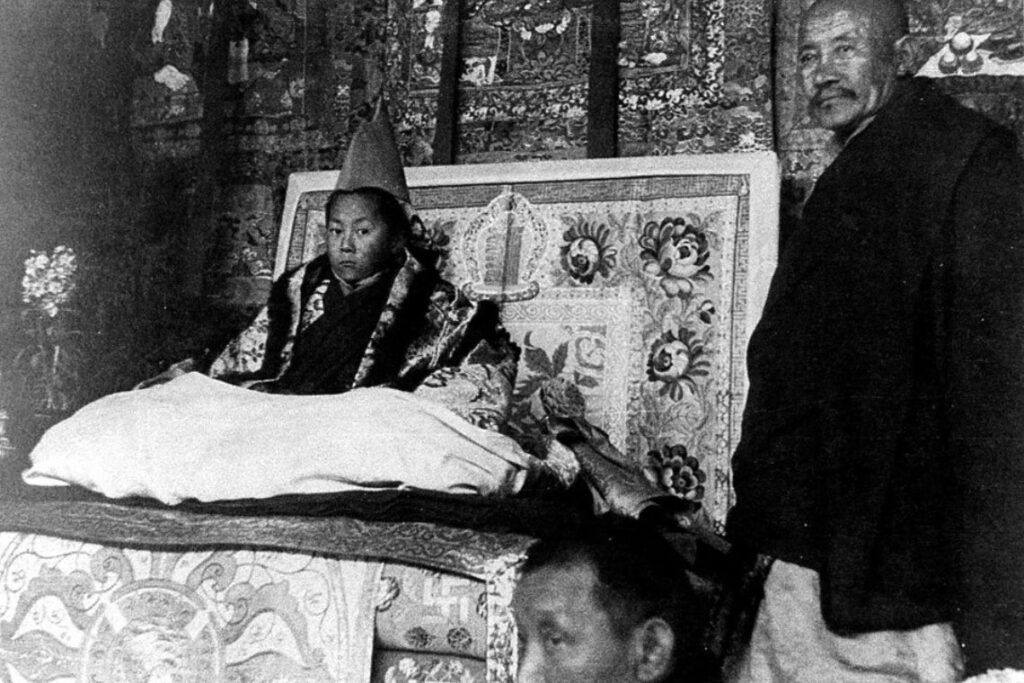
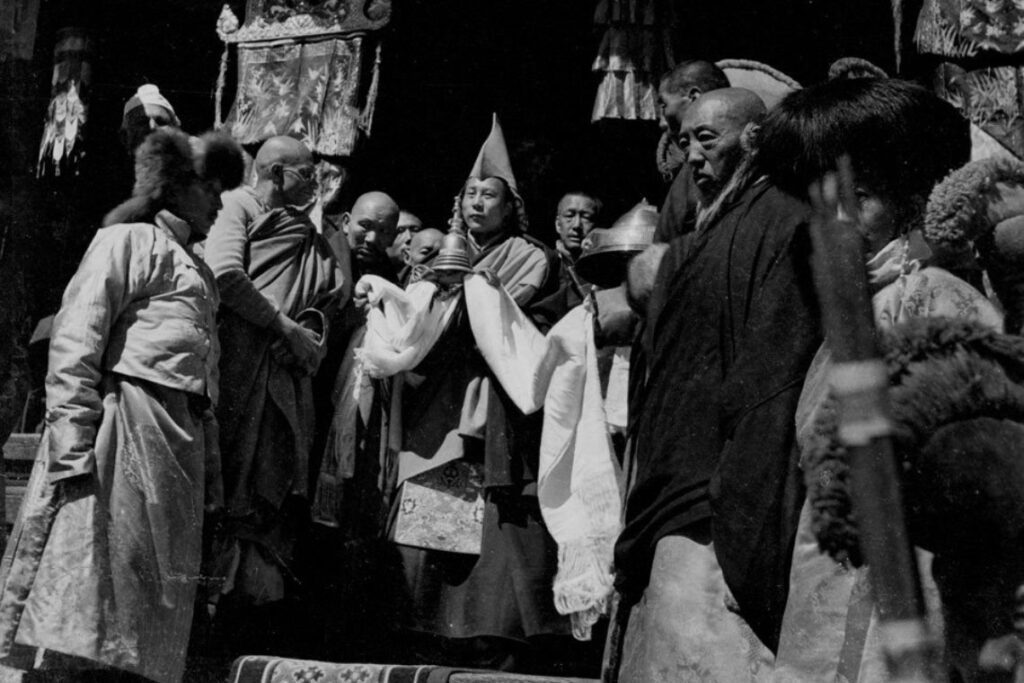
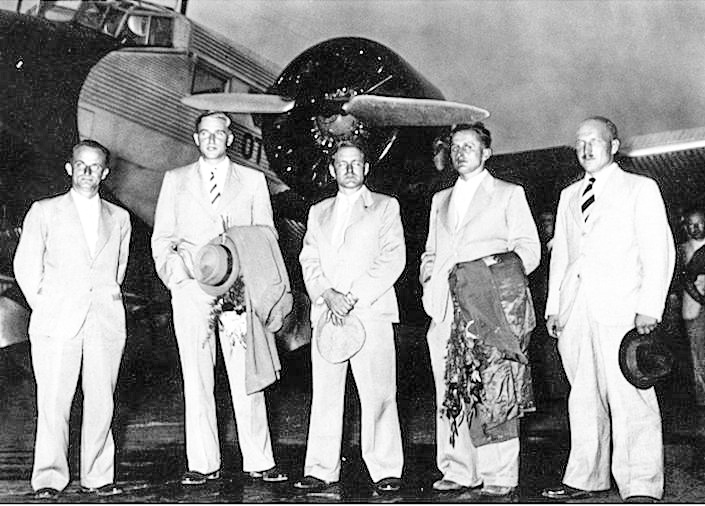
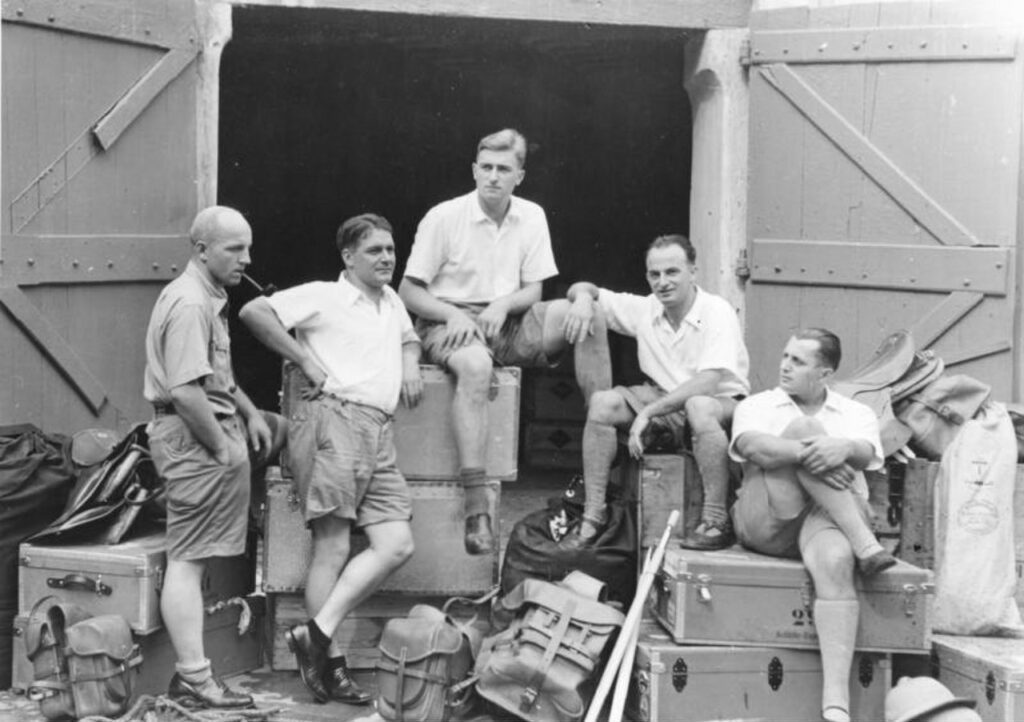
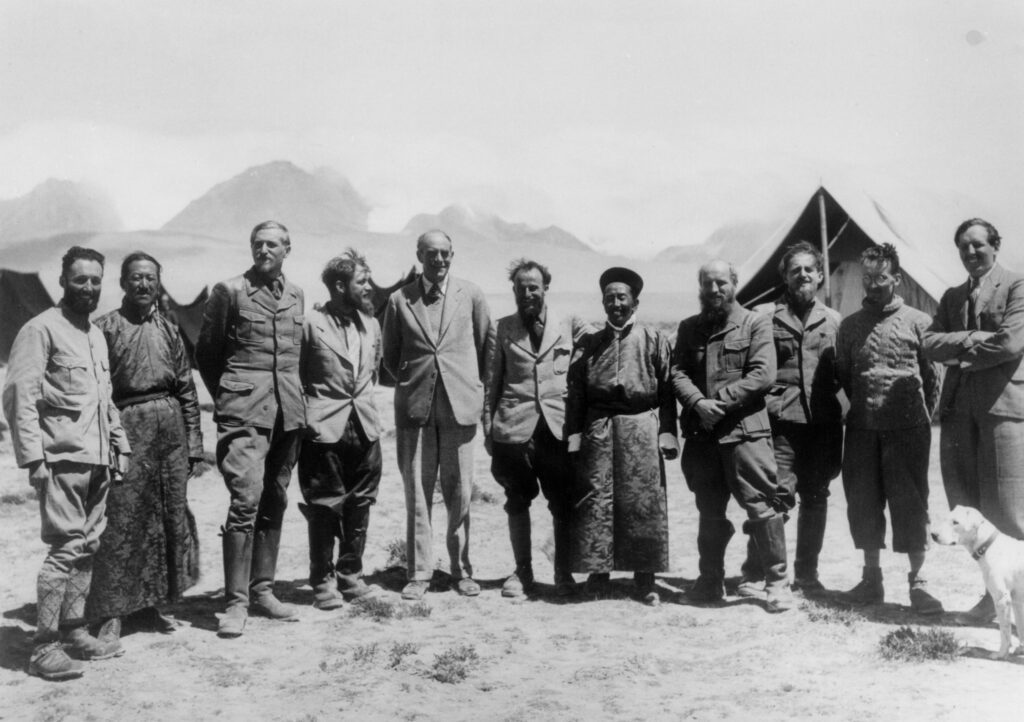
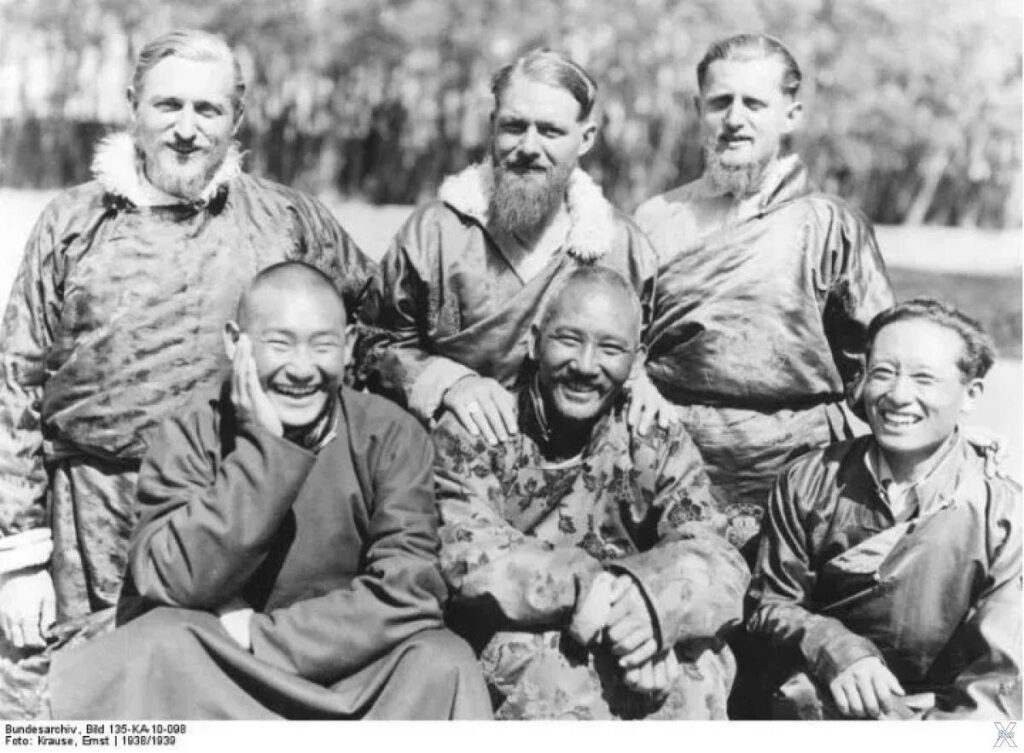
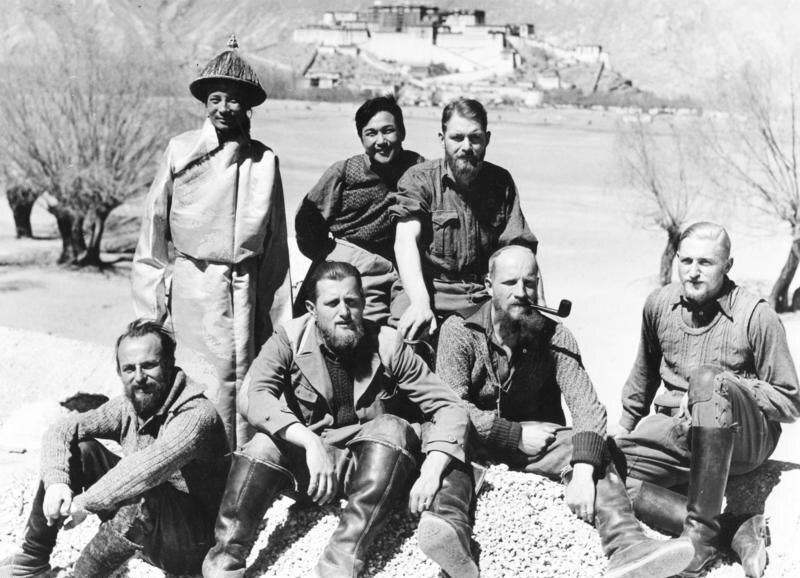
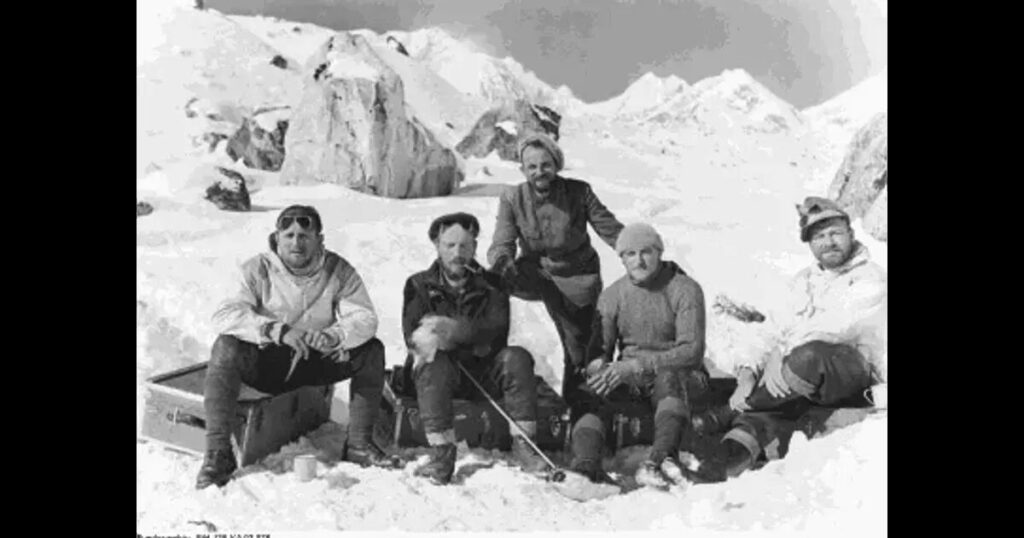
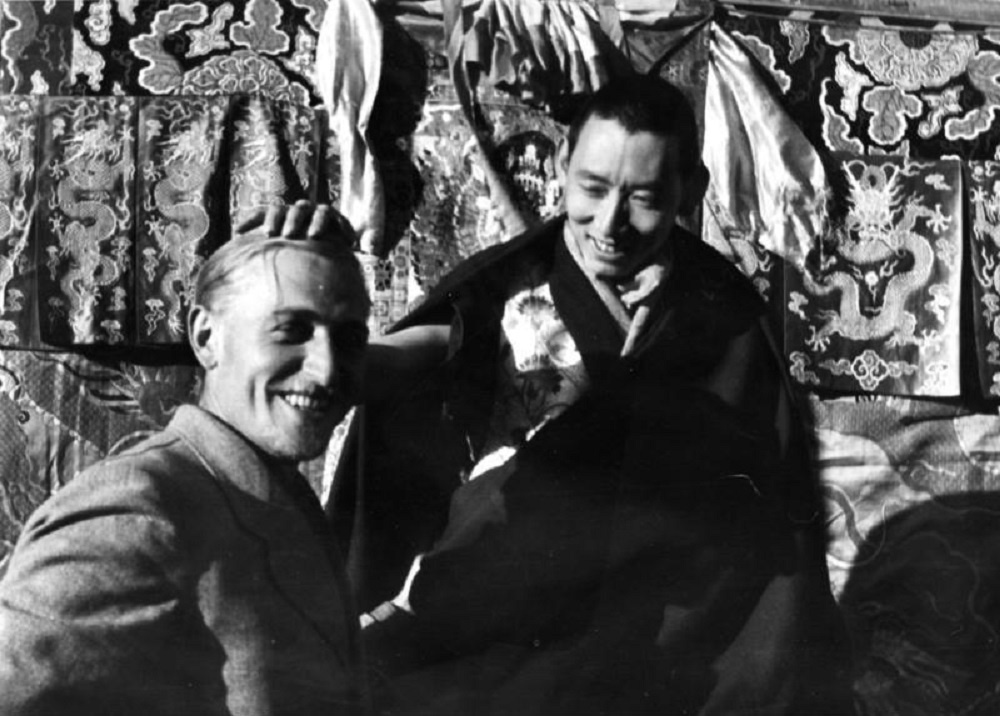
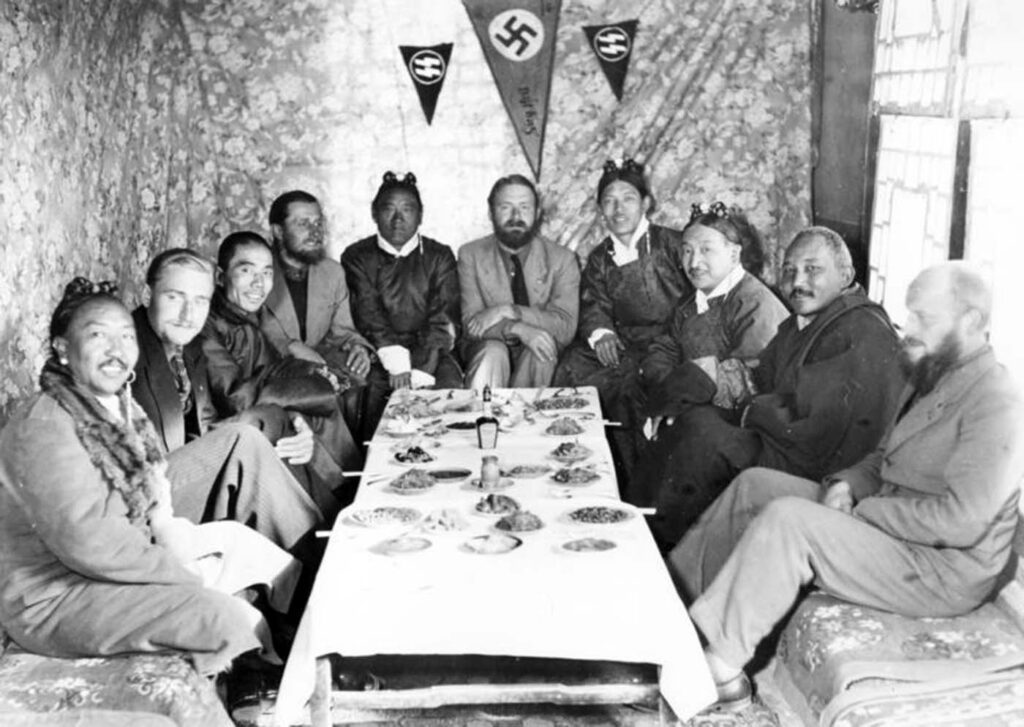
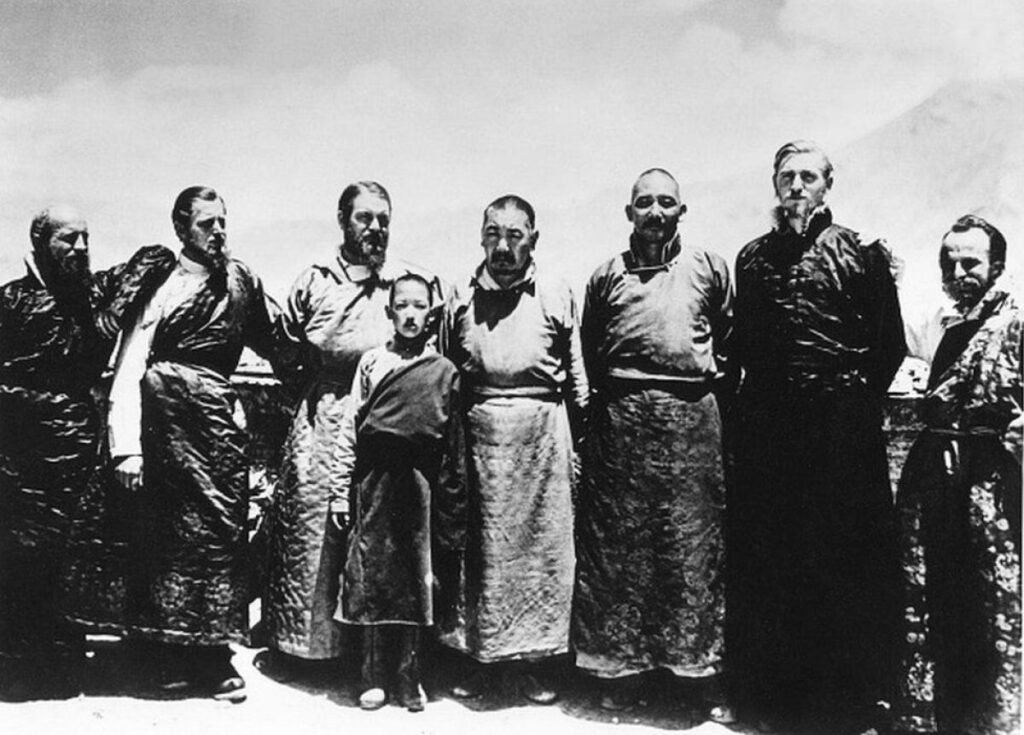
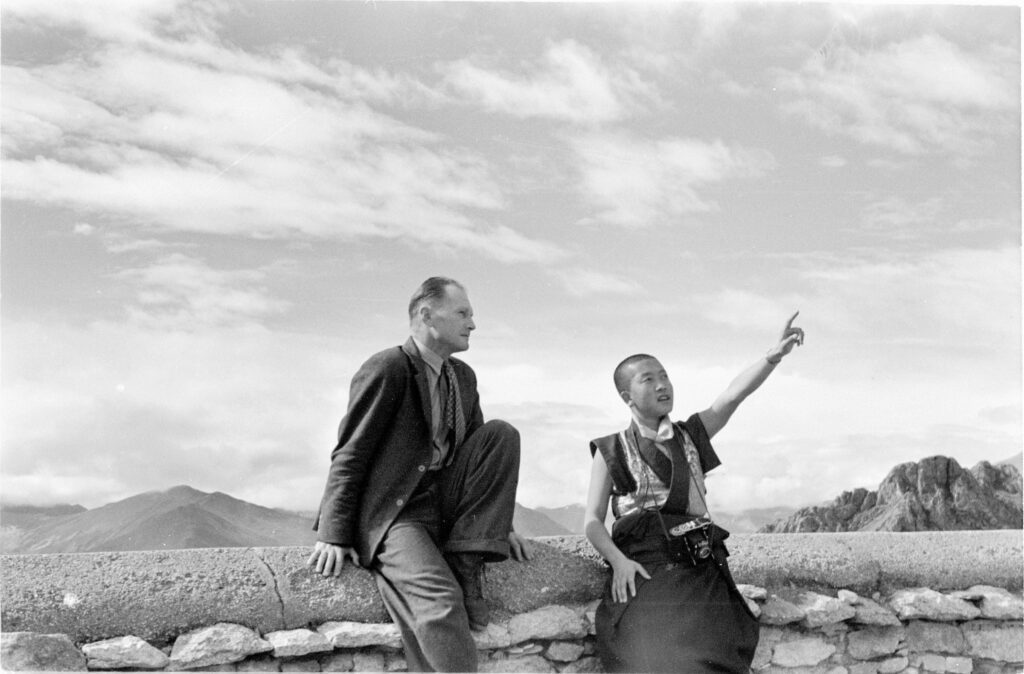
In 1938, Ernst Schäfer led a five-member SS expedition to Tibet that departed Germany in April and returned in August 1939, weeks before the invasion of Poland.
Schäfer was a trained zoologist and ornithologist whose previous expeditions to Tibet in 1931-1932 and 1934-1935 had been conducted under American institutional auspices and had produced peer-reviewed publications in the ornithological literature. He was a genuine scientist whose subsequent involvement with the SS and the Ahnenerbe represents the specific form of scholarly corruption the institution embodied.

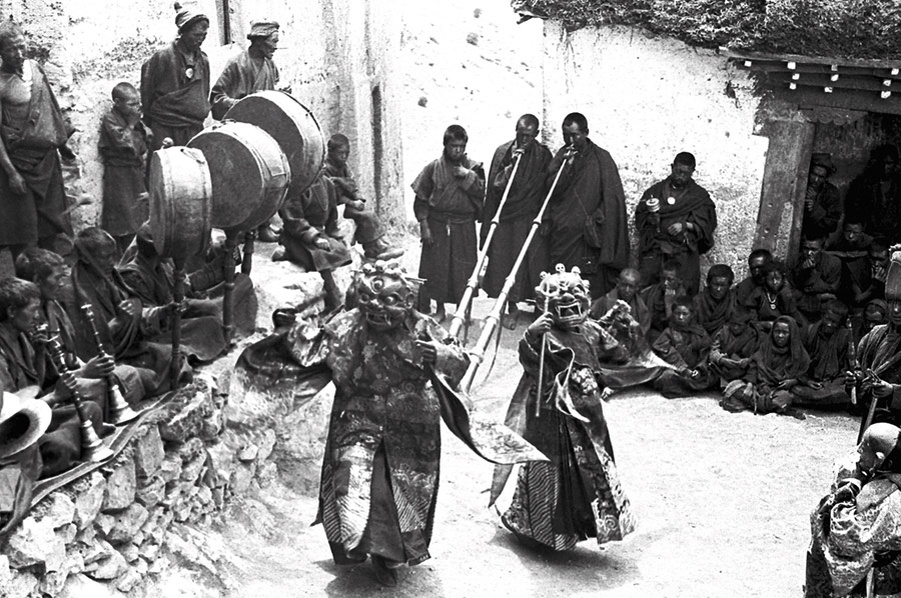
The expedition’s stated purposes were multiple and reflected the Ahnenerbe’s characteristic conflation of genuine research and ideological program. The zoological and botanical collection was real: the expedition brought back thousands of plant specimens and hundreds of bird and mammal specimens, some of which represented genuine contributions to the scientific literature. The film footage Schäfer’s team produced, now held in the Bundesarchiv in Koblenz, is an authentic ethnographic record of Tibetan life in the late 1930s whose historical value is independent of the expedition’s ideological context.
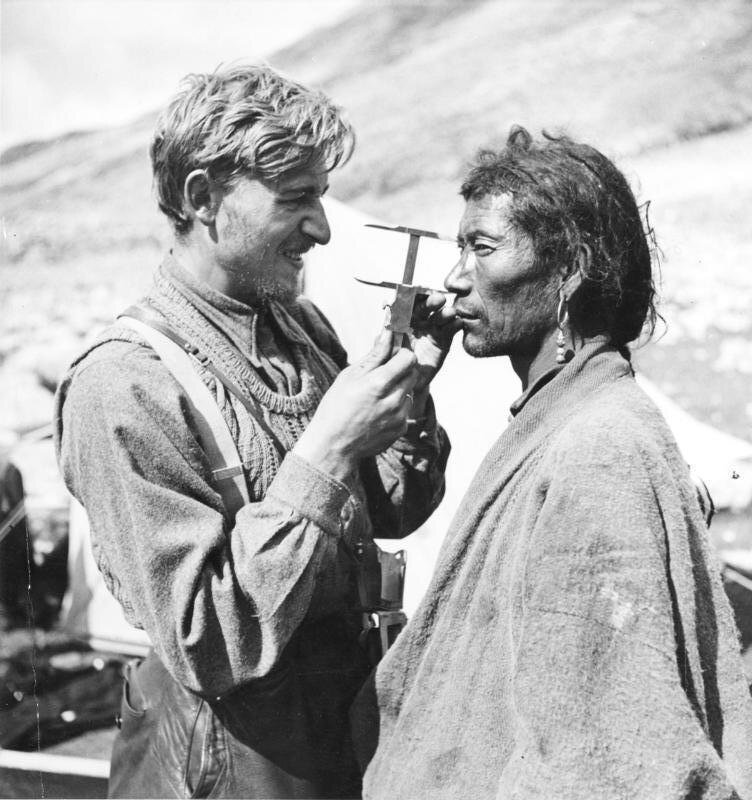
The racial anthropology component was the ideologically central element. Bruno Beger, the expedition’s anthropologist, measured the skull dimensions, facial features, and physical characteristics of approximately 376 Tibetans and Sikkimese people using the instruments and methodology of Nazi racial science. His measurements were designed to determine whether Tibetan people showed evidence of ancient Aryan heritage that had survived in the Himalayan isolation while being diluted elsewhere.

The specific ideological claim the Tibet expedition was designed to support was the Aryan migration theory in its most extreme form: the idea that an ancient Aryan master race had originated in a northern homeland, possibly a sunken continent or a polar paradise, and had spread its civilization across Asia and Europe before being diluted through interbreeding with inferior races. Tibet’s geographic isolation and the perceived physical distinctiveness of its population made it, in Himmler’s framework, a potential repository of preserved Aryan characteristics.
The expedition found no evidence supporting this claim because no evidence exists. Schäfer was sufficiently rigorous as a scientist to recognize this, which contributed to the tension between his scientific conclusions and the Ahnenerbe’s ideological requirements that characterized his relationship with the institution throughout his involvement with it.
What the Popular Mythology Claims and What the Record Shows
The Ahnenerbe has accumulated a mythology whose specific claims have become so widely repeated that distinguishing them from the historical record requires deliberate effort.
The claim that the Ahnenerbe was searching for the Holy Grail is drawn primarily from Otto Rahn’s pre-Ahnenerbe work on Cathar history and his association of Cathar sites in the Languedoc with Grail mythology. Rahn’s work, while eccentric, was not primarily about locating a physical Grail. His books Crusade Against the Grail and Lucifer’s Court were works of historical speculation rather than treasure hunting reports. Rahn joined the SS in 1936 and died in 1939 in circumstances that remain unclear, possibly suicide, possibly exposure. The connection between his work and a Nazi Grail quest is a narrative construction that postdates his death.
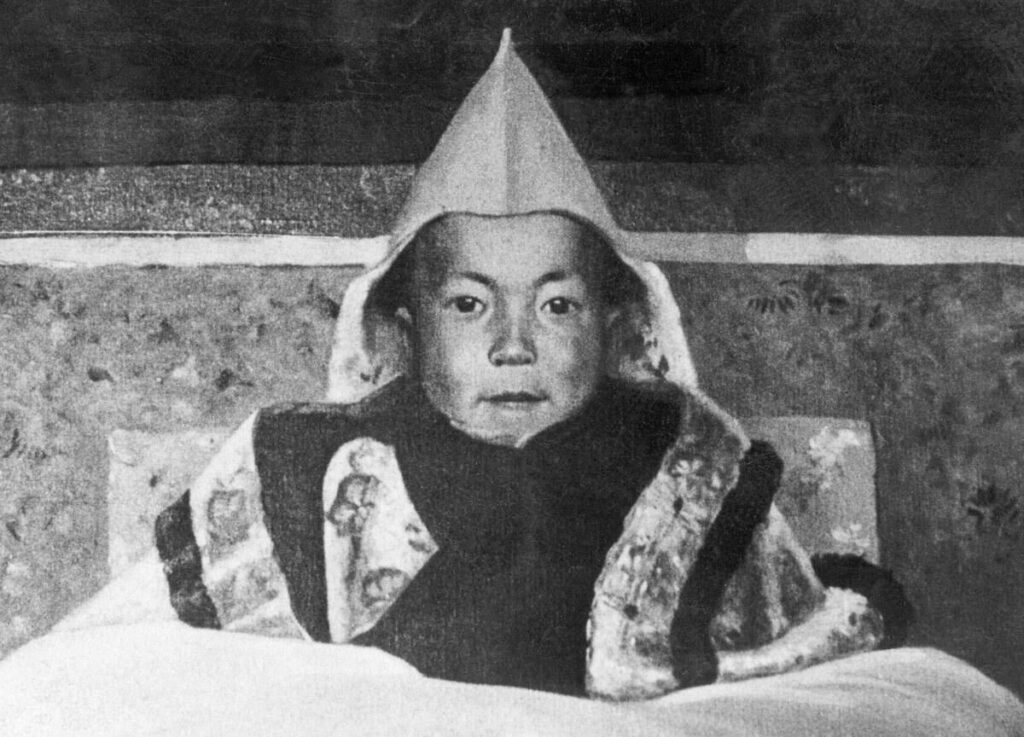
The claim that the Ahnenerbe’s Tibet expedition was searching for Shambhala, the mythical hidden kingdom of Tibetan Buddhist tradition, has no support in the expedition’s surviving records. Schäfer’s published accounts of the expedition make no reference to Shambhala as a research objective. The expedition’s goals were those Schäfer stated: zoological collection, geographic survey, ethnographic documentation, and racial anthropology.
The claim that the Ahnenerbe conducted occult ceremonies at Wewelsburg Castle, the SS fortress Himmler was developing as an ideological center, conflates Himmler’s personal interest in Germanic mythology and neo-pagan ritual with an institutional research program. Himmler’s personal beliefs were genuinely eccentric and included interest in astrology, herbalism, and Germanic spiritual traditions. These beliefs shaped the Ahnenerbe’s research agenda. They did not make the institution an occult order conducting magical ceremonies.
The mythology is more entertaining than the reality. The reality is more disturbing.
The War Crimes and the Nuremberg Record
The connection between the Ahnenerbe’s research program and the Holocaust’s industrial murder is not indirect or metaphorical. Several of the institution’s senior researchers participated in medical experiments on concentration camp prisoners, and their prosecution at Nuremberg established the connection in the legal record.
August Hirt was the director of the Ahnenerbe’s anatomical institute at the University of Strasbourg. In 1942, Hirt proposed to Himmler the creation of a collection of Jewish skeletons to document racial characteristics for anatomical research. The proposal was approved. Hirt selected 86 Jewish prisoners at Auschwitz, had them photographed and measured, and arranged their transfer to Natzweiler-Struthof concentration camp in Alsace where they were killed in the camp’s gas chamber in August 1943. Their bodies were transported to Hirt’s anatomy institute at Strasbourg for defleshing and skeletal preparation.
When Allied forces approached Strasbourg in late 1944, Hirt ordered the destruction of the evidence. The bodies were partially destroyed but enough remained for Allied investigators to establish the collection and its origin. Hirt fled and was believed to have died in the Black Forest in 1945, though his death was not confirmed until decades later.
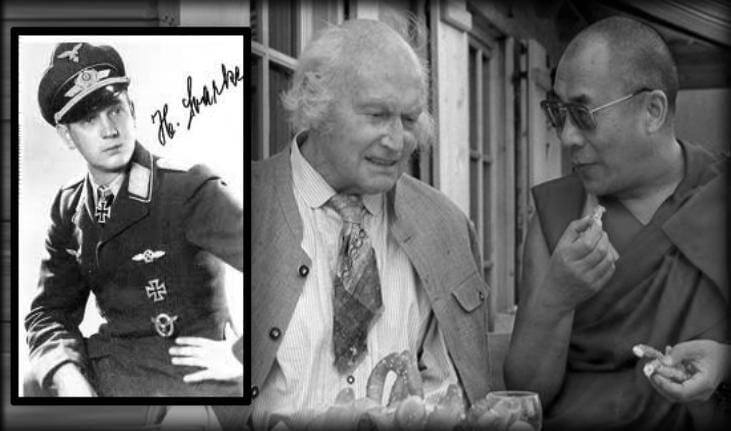
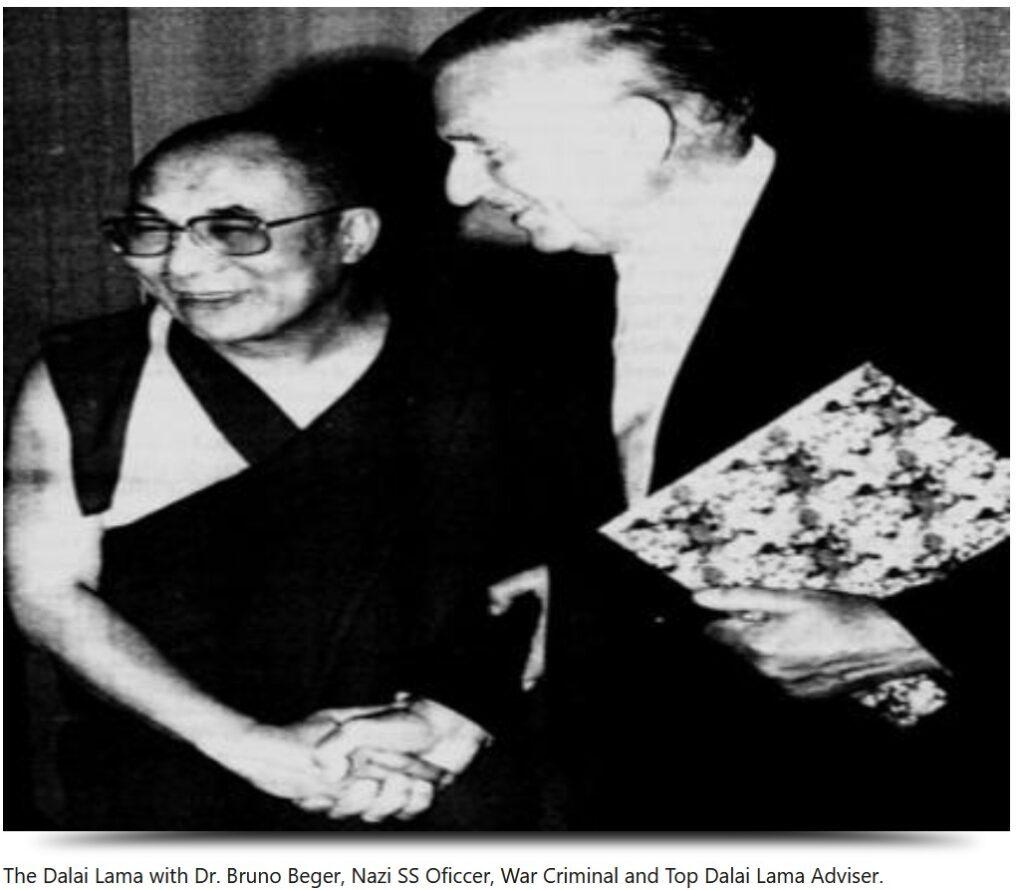
Bruno Beger, the expedition anthropologist who had measured Tibetan skulls in 1938-1939, participated in the selection and measurement of the Auschwitz prisoners for Hirt’s skeleton collection. He was tried by a West German court in 1971 and convicted of being an accessory to murder in the deaths of the 86 prisoners. He received a three-year suspended sentence.
Wolfram Sievers, the Ahnenerbe’s Reich Manager and the administrative head of the institution, was tried at the Nuremberg Doctors’ Trial and convicted of war crimes and crimes against humanity for his role in organizing the skeleton collection and other medical experiments. He was executed in June 1948.
The Ahnenerbe’s research program did not lead directly to the Holocaust. The Holocaust was not caused by bad archaeology or pseudoscientific philology. But the institution whose research program provided pseudoscientific legitimation for the racial ideology that made the Holocaust thinkable was the same institution whose senior researchers participated in the murders that made the racial ideology operational. The connection between the research and the crime is not causal in the simple sense. It is institutional: the same organization, the same leadership, the same ideological framework.
What the Ahnenerbe Reveals About Knowledge and Power
The Ahnenerbe’s most significant legacy for the library’s analytical framework is not the specific research it conducted or even the specific crimes its members committed. It is the institutional model it represents.
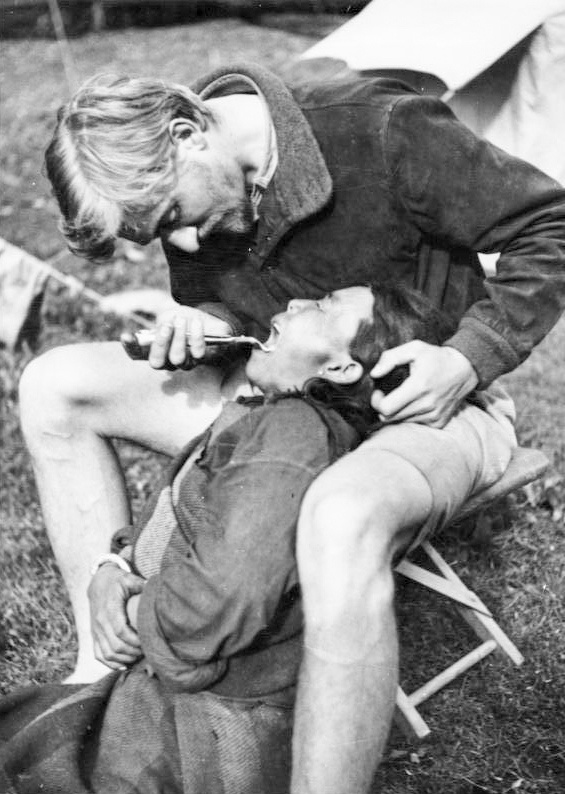
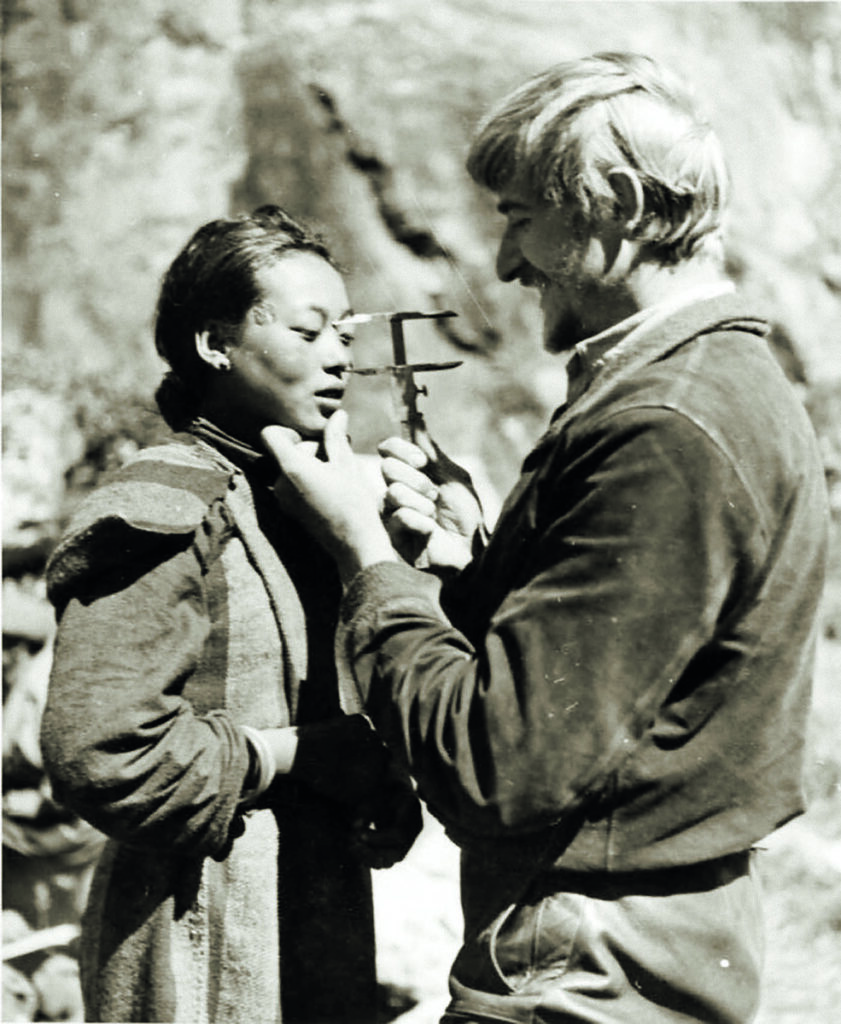
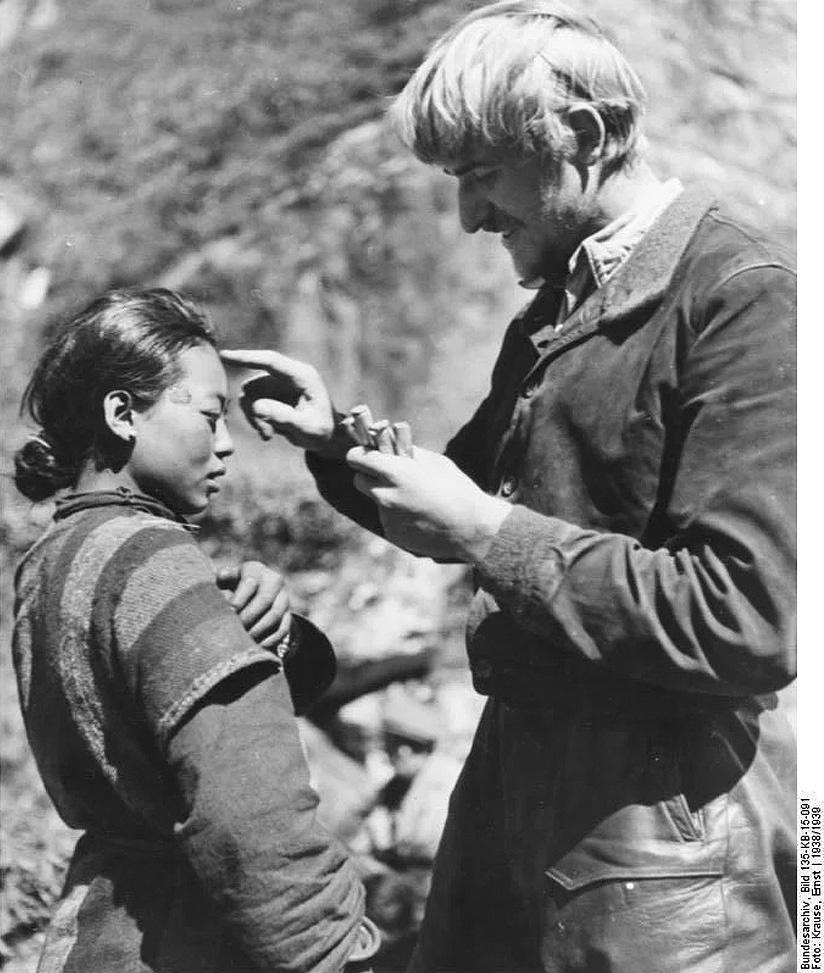
A state with ideological objectives and institutional resources can construct an apparatus that resembles scholarship in its external form, employs credentialed academics in its personnel, and produces publications in formats that resemble peer-reviewed research, while its actual function is the production of legitimating narratives for predetermined political conclusions.
This model is not unique to National Socialism. It is a reproducible institutional structure whose operation has been identified in multiple subsequent historical contexts where state power has sought scholarly legitimation for ideological programs. The specific markers of its operation, the predetermined conclusion, the selective use of evidence, the suppression of contradictory findings, the conflation of ideological and scholarly authority, are visible in the Ahnenerbe’s record with unusual clarity because the ideological program the Ahnenerbe served was so extreme that its corruption of scholarship is difficult to miss.
In less extreme contexts, the same institutional structure is harder to identify precisely because its corruptions are smaller and its legitimating claims are more plausible. The Ahnenerbe is the clearest case on record of what institutional pseudoscience looks like when it is constructed deliberately and operated without restraint.

The 450 researchers, the 50 departments, the expeditions to five continents, the runic studies and the folklore collections and the skull measurements, were all in the service of a conclusion that was never in doubt: that the people the Nazi program was murdering were inferior and that the people doing the murdering were superior.
The research was designed to prove what the murders were already assuming.
That is what the Ahnenerbe actually was. Not the occult order of popular mythology. An institution built to make murder feel scientific.