





“White Walkers of Antarctica” and its close cousin “Ningen” are traceable, actively spreading pieces of modern internet folklore, not reported sightings from credible polar expeditions.
This piece covers what’s established about how these specific legends began, traced back to their origin point in detail, rather than presenting invented testimony as an open scientific question.
Where This Legend Actually Comes From
The best-established version of this cryptid, the Ningen, has a traceable origin that researchers have pieced together carefully. The earliest identified post appeared on 2channel, a large anonymous Japanese internet message board, around May 2002, describing beings called hitogata buttai, “human-shaped objects,” supposedly seen by crew connected to Japanese Antarctic whaling research. The thread went quiet by late 2003, then was revived and substantially expanded in 2007, including a manga adaptation and, later that year, coverage in Mu, a Japanese magazine devoted to paranormal topics, which ran a story featuring a blurry Google Earth screenshot purportedly showing a similar figure off the coast of Namibia. From there, the story spread into English-language tabloids and cryptid forums, with each retelling stripping away more of the original context that marked it as anonymous internet fiction.
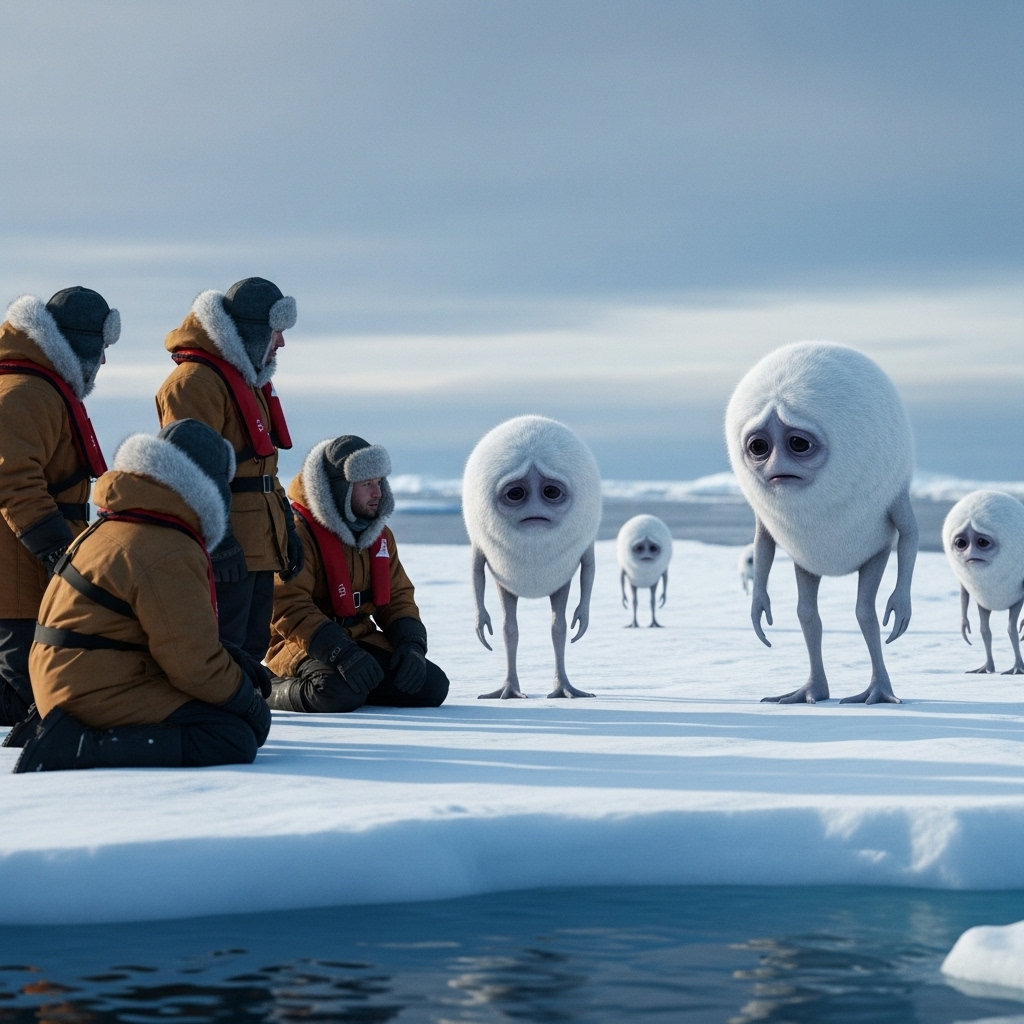
This needs to be stated plainly: no official record of any humanoid sightings exists in the published logs of Japan’s actual Antarctic whale research programs, JARPA and JARPN, even after those records were made public following international criticism of Japan’s scientific whaling activity. Researchers who have specifically studied the Ningen’s development describe its origin accurately as a “collaborative creative writing exercise” that took on a life of its own as it spread, not a suppressed or classified scientific report.
How “White Walkers” Fits This Same Pattern

The “White Walkers” framing, drawing its name from the fictional creatures in Game of Thrones, appears to be a later rebranding of the same underlying cryptid concept the Ningen legend established, describing similar pale, humanoid Antarctic beings under a more culturally resonant modern name. No named, credible, independently verifiable source could be located for any of the specific incidents described in this genre of story, a specific research vessel, a specific expedition report, a specific named scientist willing to be identified, whether for the alleged 1960s first encounters, the alleged 1981 Showa base sighting, or the specific 1996, 2003, and 2007 national expedition sightings. Quotes attributed to unnamed or unverifiable individuals, like the “Rasmus Holm” account that circulates with this story, cannot be traced to any confirmable identity, publication, or expedition record.
Why This Kind of Legend Takes Hold So Effectively
Why this specific genre of cryptid, an isolated Antarctic humanoid, spreads so effectively is worth explaining, since the mechanism is interesting on its own terms. Antarctica is one of the most remote, difficult-to-independently-verify environments on Earth, with a small population of rotating scientific personnel and extreme, disorienting sensory conditions, low visibility, featureless white landscapes, and extended isolation, that make misperception plausible even for careful, honest observers. Psychologists studying pareidolia, the well established tendency of the human brain to impose familiar shapes onto ambiguous visual input, have specifically noted that partially submerged ice formations, viewed at a distance in poor light, can produce a convincing illusion of a pale, limbed figure. An ordinary human psychological tendency combines with a sparsely populated, hard-to-verify setting to create close to ideal conditions for exactly this kind of folklore to develop and spread naturally, entirely independent of whether any government is suppressing anything at all.
The “Government Suppression” Claim
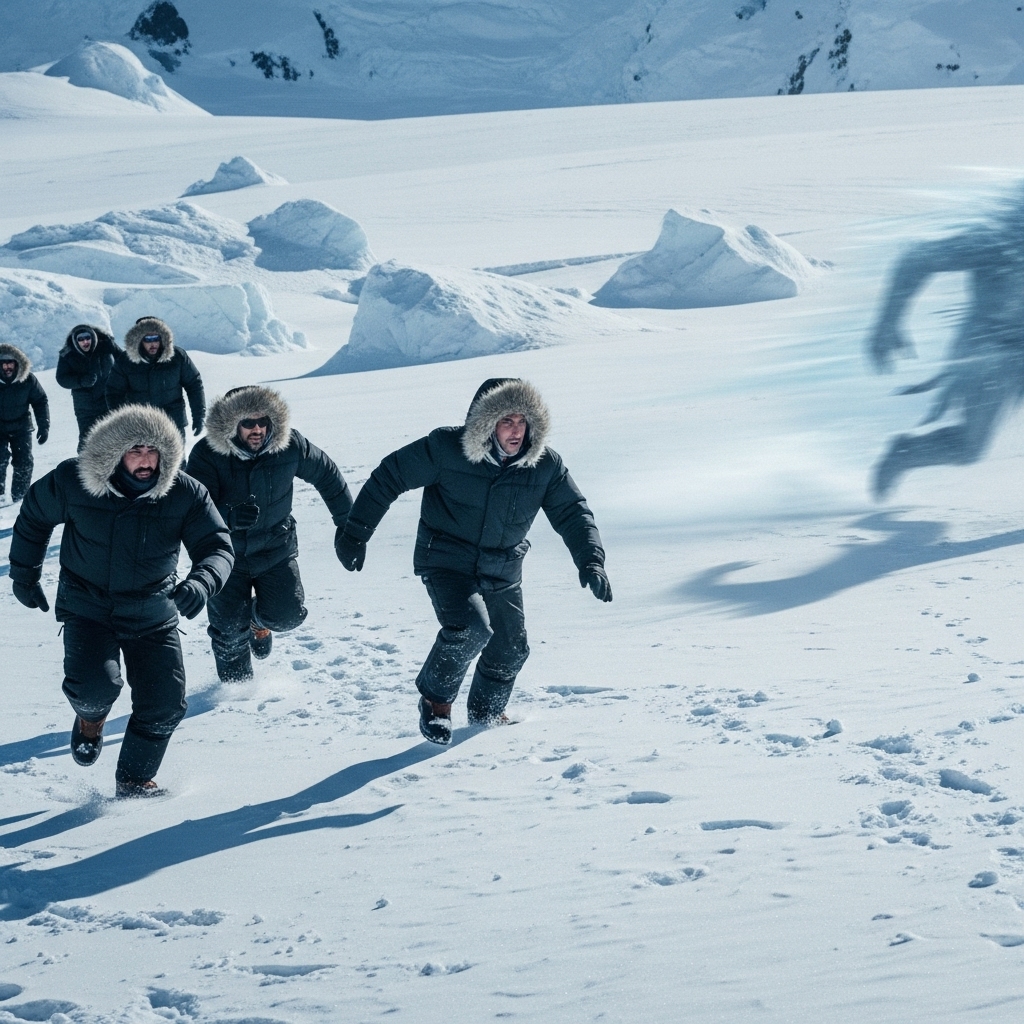
The claim that governments are actively classifying information about Antarctic cryptids deserves the same direct treatment given to similar unfounded suppression claims elsewhere in this library. No credible, verifiable evidence supports this specific claim. What’s actually on record is the opposite: Japan’s whaling research records, once made public, contain no mention of these sightings at all, which is the expected result if the creature is fictional, not if a discovery were being actively suppressed. The “there’s no smoke without fire” reasoning this genre relies on treats the volume and persistence of retellings as evidence, when the traceable history shows the volume comes from ordinary internet content circulation, screenshots reposted, translated, and stripped of context across nearly two decades, rather than from independent witnesses corroborating each other.
The Broader Pattern of Internet-Born Cryptids
Situating the Ningen and White Walkers legends within a well recognized broader category is useful: internet-native cryptids and creepypasta creatures that developed the surface features of traditional folklore, an origin story, a physical description, a pattern of sightings, an atmosphere of institutional secrecy, entirely within the anonymous, collaborative environment of online forums. Slender Man, which emerged from a 2009 Something Awful forum photoshop contest and later inspired tragic, actual violence when two Wisconsin schoolgirls stabbed a classmate in 2014 believing the character to be real, is the most widely studied example of this genre’s real-world consequences. The Ningen and its offshoots are a considerably gentler case, with no documented real-world harm attached, but they follow the identical structural pattern: an anonymous forum post, embellished through iterative retelling, eventually presented by less careful outlets as established fact with the anonymous, fictional origin stripped away entirely. Recognizing this pattern is useful for evaluating any similarly structured claim that surfaces in the future, not just this specific cryptid.
The Role of Mu Magazine
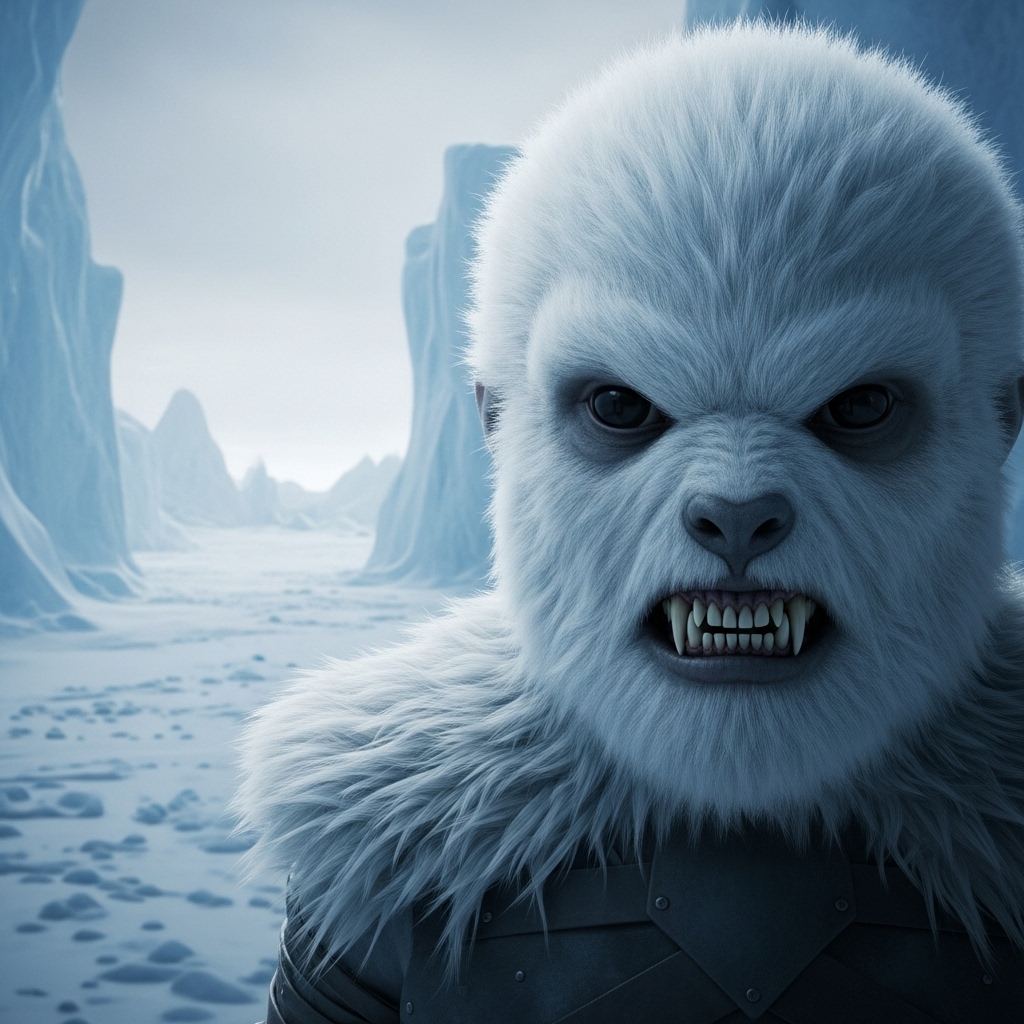
The specific role Mu magazine played in this legend’s spread is worth explaining, since it’s an instructive example of how anonymous internet fiction gains a false patina of institutional credibility. Mu is a long-running Japanese magazine covering paranormal and unexplained phenomena topics, comparable in tone and editorial standards to Western tabloid publications covering similar subjects. Its 2007 feature on the Ningen, built around a blurry Google Earth screenshot of an unidentified pale shape off the coast of Namibia, was presented with the visual trappings of investigative journalism, a named publication, printed pages, an editorial byline, even though the underlying material traced directly back to anonymous, unverifiable forum posts from years earlier. This is a common pattern worth recognizing: a publication with a name and a print run can lend an appearance of institutional legitimacy to source material that remains, underneath that packaging, entirely unverified. The existence of a magazine article about a claim is not, on its own, evidence that the claim is true, only evidence that someone at that publication decided it was interesting enough to print.
Why Antarctica Specifically Attracts These Stories
Why Antarctica, more than almost any other place on Earth, has become such fertile ground for exactly this kind of folklore is worth understanding. The continent has no permanent civilian population, no independent local journalism, and a research community that rotates through relatively short seasonal postings, which means there’s no equivalent of the local newspaper archive or long-term community record-keeping that might otherwise catch and correct an emerging false story early. Communication from Antarctic research stations has historically been limited and, at various points in different countries’ program histories, subject to institutional review before release, an ordinary practice at most national research stations worldwide, intended to manage official scientific communications rather than to suppress cryptid sightings, but one that inadvertently provides exactly the kind of institutional opacity that makes “the truth is being hidden” claims feel more plausible to an audience already primed to find them compelling. A remote, sparsely populated, institutionally quiet environment is, in other words, close to ideal conditions for an unverifiable story to take root and persist, entirely independent of whether anything unusual is actually happening there.
The 1958 “Antarctic Godzilla” Case
An earlier, actually documented Antarctic sighting report that some researchers connect to the later Ningen legend’s development is worth mentioning, since it illustrates the difference between an actual recorded incident and pure internet fiction. In 1958, crew members aboard a Japanese icebreaker supporting Antarctic research reportedly observed an unusual creature, later nicknamed “Antarctic Godzilla” in retrospective coverage, described as having a monkey-like face and a serrated dorsal fin. This is a recorded historical incident, distinct from the Ningen and White Walkers material, and its identity was never conclusively established, though marine biologists have suggested it may represent a misidentified elephant seal or other pinniped observed under difficult viewing conditions. The key distinction worth drawing is that this 1958 report has a documented chain, a specific ship, a specific year, contemporaneous crew accounts, even if its ultimate identity remains uncertain, which is a fundamentally different evidentiary situation than the purely internet-originated Ningen and White Walkers material that developed decades later with no comparable chain of custody at all.
What a Credible Sighting Report Would Actually Look Like
What a genuinely credible Antarctic wildlife discovery actually requires is worth spelling out, since it clarifies exactly what this legend is missing. Confirmed new species discoveries in extreme environments, including recent finds among Antarctic and deep-sea invertebrates, follow a consistent, well established pattern: a named research team affiliated with a recognized institution, a specific expedition with logged coordinates and dates, physical specimens or unambiguous photographic and video documentation collected under controlled conditions, and eventual publication in a peer-reviewed scientific journal where other qualified researchers can examine the methodology and evidence directly. Every single one of these elements is absent from the White Walkers and Ningen material. No named research team claims credit. No specific expedition can be checked against a logbook. No physical specimen has ever been produced. No peer-reviewed publication exists. This isn’t a case of an intriguing discovery still awaiting confirmation. It’s a case where the ordinary evidentiary trail a bona fide discovery would leave behind simply never existed in the first place.
Checking the Specific Details Against Reality
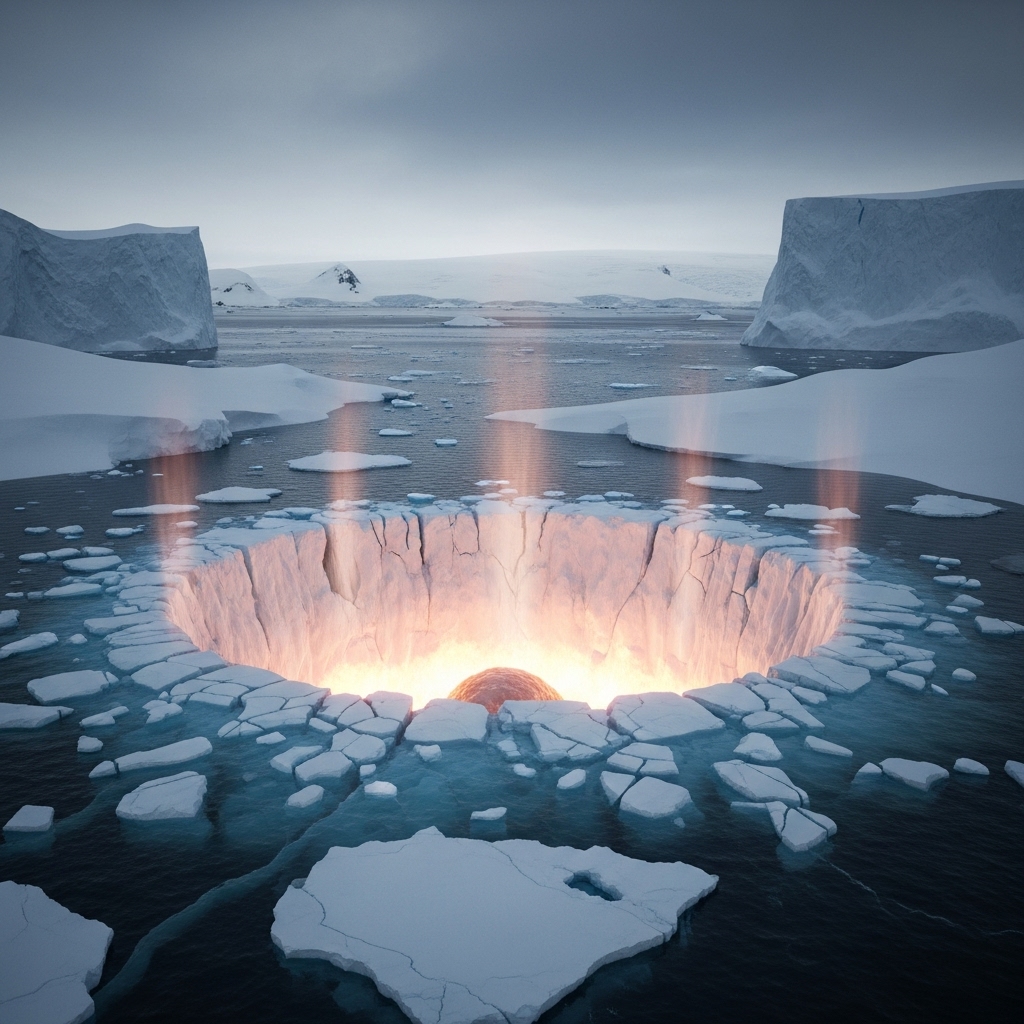
A few of the more specific claims that circulate with this legend deserve individual scrutiny. The claim that these creatures could “generate heat to melt ice” fast enough to explain a disappearance, leaving a melted hole behind, describes a biological capability with no known parallel in any studied animal on Earth, warm-blooded marine mammals like seals do produce body heat, but nothing close to the rapid, localized ice-melting capacity this specific detail requires, and no physical sample or biological specimen has ever been produced to support it. The claim of an “astonishing ability to accelerate” faster than a snowmobile similarly describes locomotion well beyond anything observed in any known Antarctic animal, human or otherwise, moving across ice and snow. These aren’t minor embellishments. They’re exactly the kind of dramatic, physically implausible details that accumulate naturally as an anonymous story gets retold and elaborated across many retellings over many years, each contributor adding a little more drama than the last version contained, with no original source available to check the additions against.
Antarctic Wildlife Worth Knowing About Instead
Closing with what’s actually present in Antarctic waters is worthwhile, since the biology there is stranger and more interesting than the fictional cryptid built on top of it. Leopard seals, formidable Antarctic predators reaching up to 3.5 meters in length, have pale, mottled coloring and a distinctively elongated, serpentine body shape that, glimpsed briefly on ice or in low light and poor visibility, could plausibly contribute to a misidentification by an honest, careful observer. Emperor penguins, crabeater seals, and Weddell seals all share pale or white coloring adapted to the Antarctic environment, and all are extensively studied species whose behavior, biology, and appearance are recorded in decades of published, peer-reviewed Antarctic research, freely available to anyone curious about what actually lives in this remote and already strange enough place.
The honest answer to the question this piece opened with is straightforward. White Walkers, and the Ningen legend it draws from, are well established, traceable pieces of 21st-century internet folklore, interesting as a case study in how modern cryptids form and spread across cultures and languages, but not credible reports from actual polar expeditions. Antarctica remains a remote and scientifically fascinating place without needing an invented humanoid to make it so, and the scientists who spend months at a time at Antarctic research stations, studying ice cores, penguin colonies, and climate data, deserve better than having their often difficult work overshadowed by a story that began as anonymous forum fiction on the other side of the world.
Carmen Winstead’s supposed death follows the same traceable arc, an internet chain letter hoax rather than a documented event, much like the White Walkers legend it shares a forum-born origin with.