




This is a well established internet creepypasta with a known creator. No news report anywhere confirms any girl named Carmen Winstead died this way, in Indiana or elsewhere, in 2006 or any other year.
Few internet chain stories spread as widely as “Carmen Winstead: They Pushed Her.” It genuinely captivated readers across MySpace, email, and later Facebook for nearly two decades. Here is its verified history.
Background
The internet looked very different in the mid-2000s. Chain letters and chain emails, warning recipients that failing to forward them would bring misfortune, were a genuine and widespread genre of internet folklore at the time.

Its Actual Origin
Before anything else: fact-checking organization Snopes directly investigated this claim and found no news report of any such death, in Indiana or any other state, in 2006 or the timeframe described. Snopes states plainly: “This tale is nothing but fiction, a typical chain letter.”
Documented internet folklore archives trace its actual creation to 2005, written by a named individual, Jessica Halonen, as an original piece of creative fiction, what’s now commonly called creepypasta, internet horror writing intentionally crafted to feel true. It was never based on a death.

The Narrative, as Written
As the original account goes, Carmen was a 17-year-old girl whose family relocated to Indiana after her father lost his job. Struggling to make friends at her new school, she eventually began spending time with a group of five girls who, unbeknownst to her, were spreading rumors about her behind her back.
The Fictional “Fatal Joke”
In this fictional account, during a fire drill, the five girls decided to play a cruel trick on Carmen, pushing her into an open sewer manhole as a joke, intending to embarrass her when she was later called on in class. When Carmen didn’t resurface, the girls panicked.
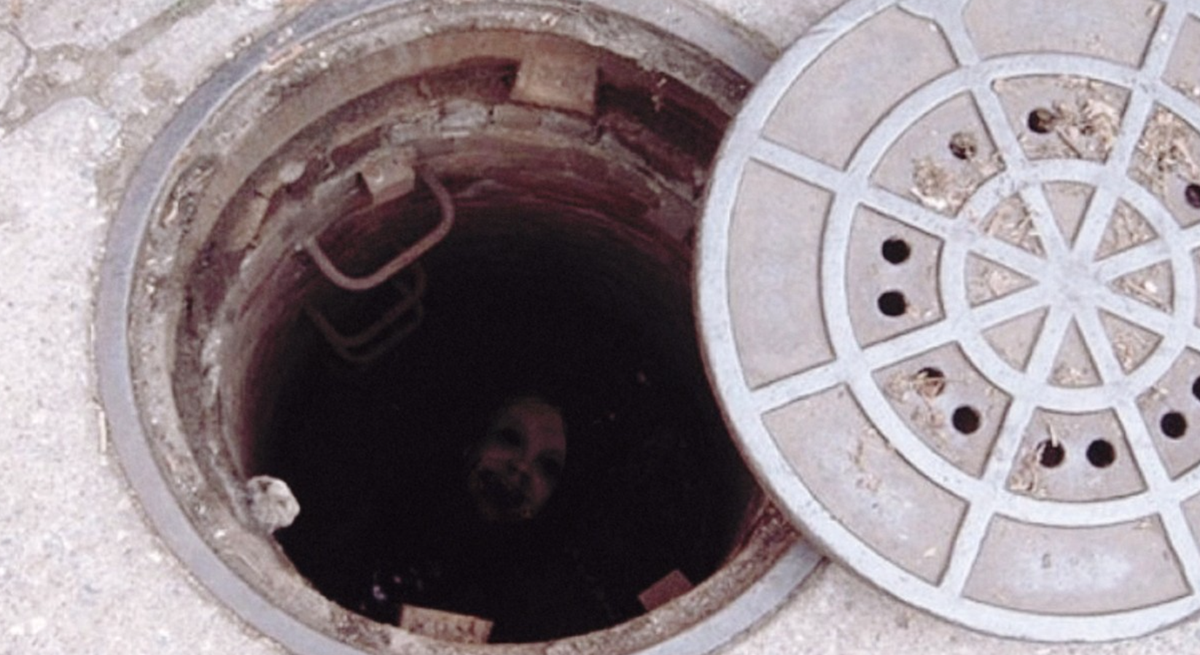
A teacher, according to the fictional account, eventually opened the manhole and discovered Carmen’s body. What had started as a cruel prank had, within this invented narrative, turned fatal.
The Fictional Anonymous Message
Within this fictional narrative, the girls responsible lied to police, claiming Carmen had fallen in accidentally, and the case was closed. Weeks later, according to the fictional narrative, anonymous messages titled “They pushed her” began circulating, warning that Carmen’s death was no accident.

The message, which became known within this fictional world as “the curse of Carmen Winstead,” warned that unless the responsible parties confessed, they would suffer supernatural consequences.
The Fictional Curse Unfolds
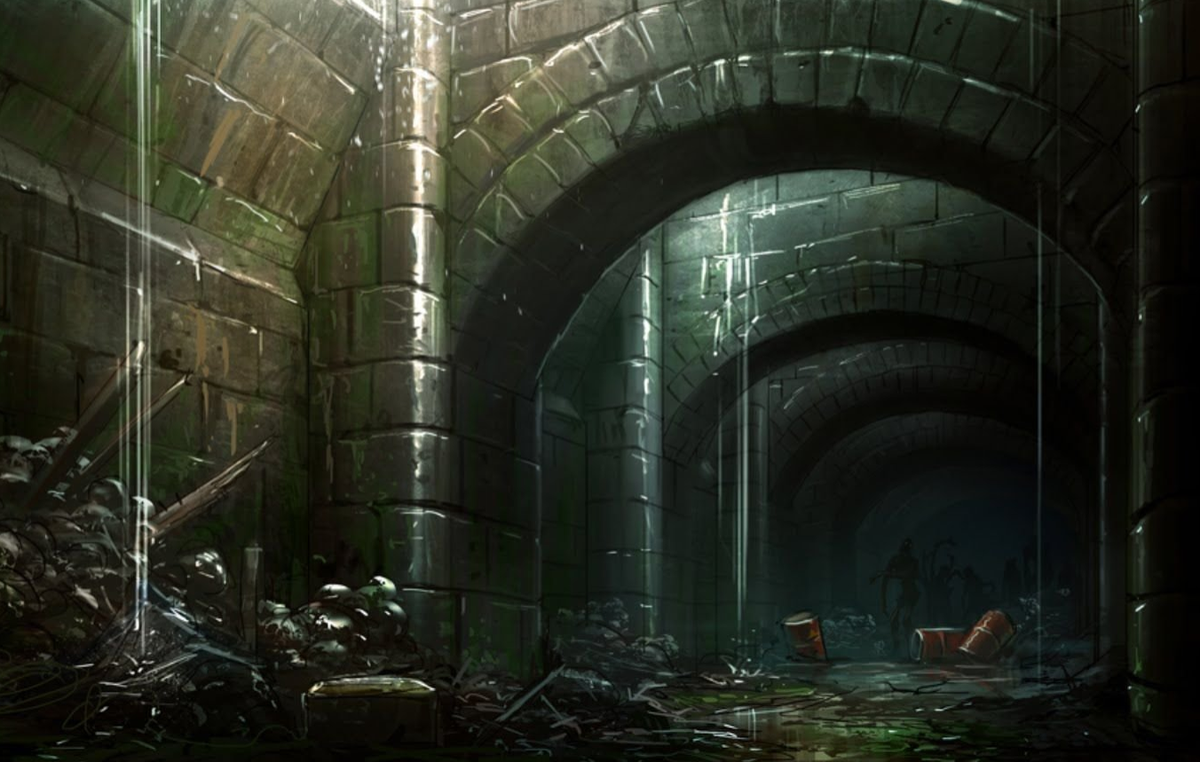
The remainder of the narrative describes, in classic creepypasta fashion, a fictional series of increasingly supernatural events: strange laughter from drainpipes, a girl found in a trance-like state near the sewer, and successive disappearances of each of the five girls involved in the original prank, each eventually found near the same manhole, whispering Carmen’s name.

These events, entirely fictional, are precisely the kind of escalating, supernaturally-tinged narrative arc folklorists recognize as characteristic of chain-letter horror writing, designed to build dread and encourage readers to forward the message rather than risk becoming its next fictional victim.

Recorded Variations of the Chain Message
Recorded versions of this chain letter, tracked across nearly two decades of circulation, consistently included a warning that failing to forward the message would bring misfortune, sometimes specifically naming a fictional boy who ignored the message and met a similar fate. This recognized pressure-to-forward mechanism is a genuine, well-known hallmark of the chain-letter genre broadly, not unique to this particular case.
An Enduring Internet Phenomenon
The established staying power of this legend is genuinely remarkable. Internet culture trackers have tracked its continuous circulation from 2006 through the present, spreading across MySpace, email, Facebook, and later Wattpad and fan wikis, with dedicated creepypasta fandom communities expanding the character into an ongoing fictional mythology, complete with a fan-made “Friday Night Funkin” video game mod and self-published fan fiction. Cultural researchers note it has confirmed periodic revivals, most recently circulating again on Facebook among Spanish-language users, solid evidence of chain-letter folklore’s genuine staying power across platforms and languages.
Folklore Scholarship on Chain Letters
The academic study of chain letters and forwarded warnings is worth understanding, since it explains precisely why stories like this one spread so effectively. Folklorists have specifically studied this genre, sometimes called “Xerox-lore” or “network lore” in academic literature, tracing its lineage from physical chain letters of the mid-20th century through email forwards and now social media shares. Published academic research on this genre consistently identifies the same core structural elements present in the Carmen Winstead case: an emotionally compelling narrative, a specific, escalating threat for non-compliance, and just enough concrete, specific detail, a place name, a specific age, a specific date, to feel plausible without being independently verifiable. Communication scholars note this specific combination is what separates a successful, widely-spread piece of chain-letter folklore from one that fails to catch on, precisely the combination present in this particular case, which is exactly why it has genuinely persisted for nearly two decades across changing internet platforms.
Truth or Fiction? The Real Answer
The verified answer is straightforward: this is entirely a work of fiction, fact-checkers found no news report of any such death anywhere, and its actual creator has been identified. No “2004 Oklahoma manhole incident” or any other event has been confirmed as its factual basis in any established source.
What makes this legend genuinely worth understanding isn’t a hidden true crime. It’s the fascinating mechanics of how internet horror fiction spreads, evolves, and convinces readers for nearly two decades, a genuine, well established piece of digital folklore in its own right, worth appreciating as the creative writing it actually is.