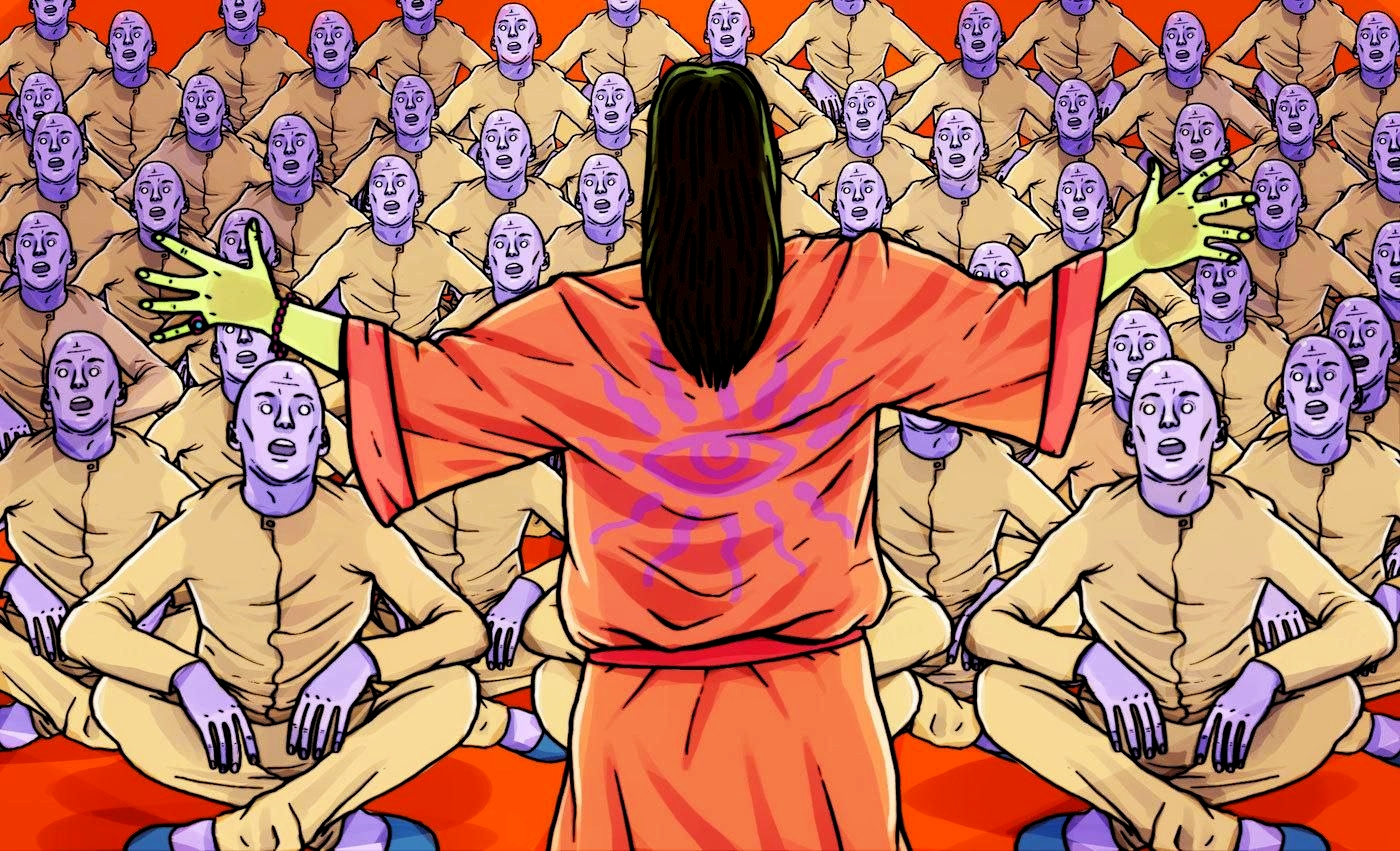
The United States, with its unwavering commitment to religious freedom, has long been a breeding ground for diverse spiritual movements.
Anchored in the First Amendment of the Constitution, which prohibits the establishment of an official religion and guarantees the free exercise of faith, this liberty has fostered both mainstream religions and a host of unconventional sects and cults. Some of these groups have gained notoriety for their peculiar rituals, outlandish beliefs, or tragic histories.
The Roots of Religious Freedom in America
Religious freedom is a cornerstone of American identity, codified in the First Amendment, ratified in 1791 as part of the Bill of Rights. This amendment ensures that the government cannot favor any religion or restrict individuals from practicing their faith. This principle traces back to the nation’s founding, when settlers, including Puritans, Quakers, and Catholics, fled religious persecution in Europe during the 17th and 18th centuries. Their diverse beliefs shaped a society that, over time, embraced pluralism. While early state constitutions sometimes favored denominations, the federal commitment to religious liberty gradually dismantled such restrictions, creating a fertile environment for both traditional and fringe spiritual movements.

This freedom, however, has a double edge. The Internal Revenue Service grants tax-exempt status to religious organizations under broad criteria, requiring only a registered legal entity, a formal doctrine, and regular worship services. This leniency has allowed some groups to exploit the system, registering as “churches” to evade taxes, often drawing scrutiny from authorities and the public alike.
Near-Christian Sects with Peculiar Practices
One of the most distinctive American religions is the Church of Jesus Christ of Latter-day Saints, commonly known as Mormonism, founded in 1830 by Joseph Smith in New York. Smith claimed an angel guided him to golden plates inscribed with the Book of Mormon, a text recounting the history of a lost tribe of Israel that migrated to the Americas.
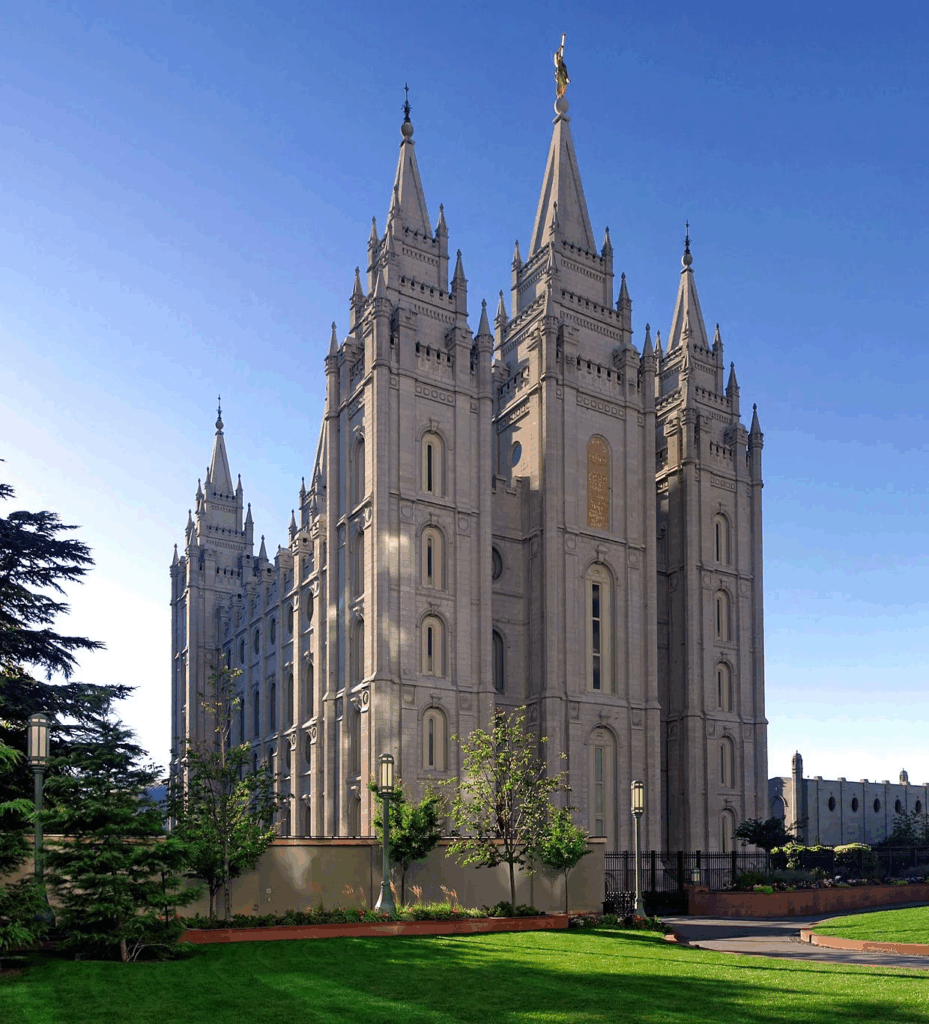
Early Mormon acceptance of polygamy, which was officially abandoned in 1890, sparked conflict with neighbors, forcing adherents to relocate westward, eventually establishing Salt Lake City as their global headquarters.
Mormon rituals, such as proxy baptism, where members baptize deceased relatives to offer them a chance at salvation in the afterlife, and temple sealing, which binds families together for eternity, set the faith apart from mainstream Christianity. Devout Mormons also wear sacred undergarments believed to provide spiritual protection. Despite its 16 million global members, Mormonism remains controversial, with some Americans viewing it with suspicion, as evidenced by speculation that Mitt Romney’s faith hindered his 2012 presidential campaign.
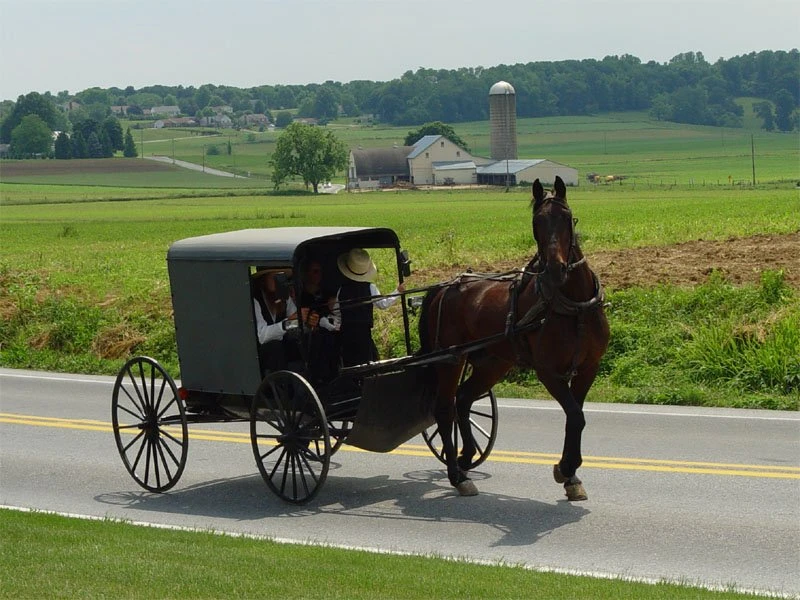
In the Appalachian region, a small subset of Pentecostal Christians practices snake handling, a ritual rooted in a literal interpretation of Mark 16:18, which suggests believers can handle snakes without harm. This tradition, popularized in the early 20th century by Tennessee preacher George Hensley, involves handling venomous rattlesnakes during ecstatic worship services filled with music, dancing, and glossolalia, or speaking in tongues. Some practitioners also pass their hands over flames or drink strychnine to demonstrate divine protection.

Tragically, snake bites are common, and many refuse medical treatment, leading to fatalities. The practice, banned in several states due to safety concerns, persists in small congregations, drawing fascination and criticism alike. Animal rights advocates condemn the stress inflicted on snakes, which often die prematurely in captivity.
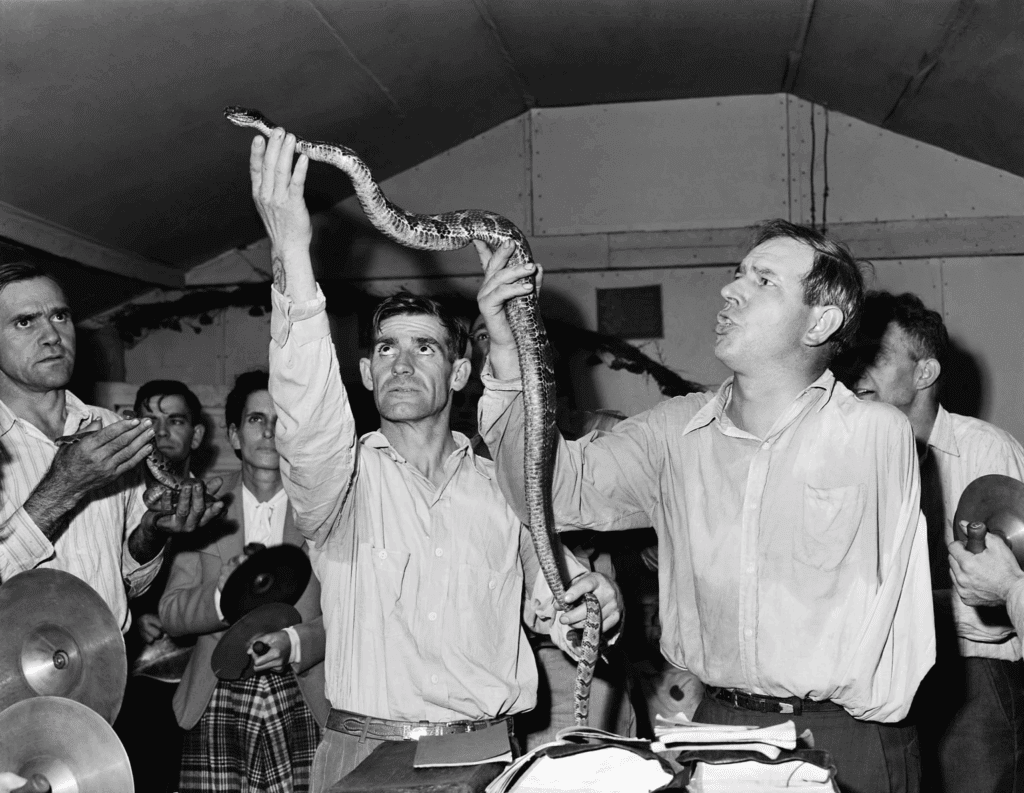
The Amish, particularly the ultra-conservative Old Order and Swartzentruber communities, represent another striking example of religious eccentricity. Rooted in the 16th-century European Anabaptist movement, the Amish settled in Pennsylvania in the 18th century and now number around 370,000 across the United States. They reject modern technology, living without electricity, cars, or the internet, and travel by horse-drawn buggy. Their plain dress, made from homespun fabric without buttons or zippers, and strict patriarchal family structures emphasize simplicity and obedience.
A unique tradition, known as rumspringa, allows teenagers to explore the outside world before deciding whether to commit to the church through baptism. Surprisingly, over 90 percent choose to remain, drawn to the community’s stability. The Amish’s insular lifestyle captivates popular culture, featuring in films like Witness and countless documentaries.
Drug-Related Religious Movements
Religious freedom occasionally intersects with legal controversies, particularly among groups that incorporate psychoactive substances into their rituals. The Native American Church, established in 1944, is a prominent example, legally permitted to use peyote, a cactus containing the psychedelic mescaline, in its ceremonies. Blending Indigenous beliefs with Christian elements, the church requires members to have at least 25 percent Native American ancestry.

Peyote is consumed during all-night rituals to commune with the Great Spirit, accompanied by traditional instruments like water drums and eagle-bone whistles. The Peyote Way Church of God, founded in 1978 in Arizona, extends peyote use to non-Natives, offering “Spirit Walks” involving solitary desert meditations after fasting. These practices, while sacred to participants, remain tightly regulated due to federal anti-drug laws.

Other drug-related groups, such as the International Church of Cannabis in Denver, Colorado, advocate marijuana as a spiritual tool. Members, who call themselves elevationists, believe cannabis enhances self-awareness and complements existing religious beliefs without requiring conversion.

Despite Colorado’s legalization of recreational marijuana in 2012, public consumption is prohibited, so rituals are private and restricted to members aged 21 and older. These groups often face skepticism, with critics arguing they prioritize recreational drug use over genuine spirituality.
UFO Cults and Cosmic Beliefs
Among the most bizarre American religious movements are UFO cults, which blend spirituality with extraterrestrial themes. The Heaven’s Gate cult, based in San Diego, gained infamy in 1997 when 39 members committed mass suicide, believing their souls would board a spacecraft trailing the Hale-Bopp comet.

Led by Marshall Applewhite, members viewed themselves as aliens temporarily inhabiting human bodies. On the day of their deaths, they wore identical black clothing with “Heaven’s Gate Away Team” patches, Nike sneakers, and carried five-dollar bills and quarters for supposed interplanetary tolls. The tragedy underscored the dangers of charismatic leadership and apocalyptic beliefs.
The Church of Scientology, founded in the 1950s by science fiction writer L. Ron Hubbard, is another movement with cosmic undertones. Evolving from Hubbard’s 1950 book Dianetics, which outlined a psychotherapy system, Scientology posits that humans are immortal beings, or thetans, who have lived countless lives, including in advanced extraterrestrial civilizations. Through auditing, a counseling process, members seek to clear traumatic memories from past lives to unlock superhuman abilities.

The church’s secretive cosmology, including references to ancient alien civilizations like Helatrobus, has sparked controversy, with critics labeling it a totalitarian sect or commercial enterprise. Despite public denials by leaders, these extraterrestrial elements remain central to its teachings, fueling speculation and intrigue.
The Unarius Academy of Science, founded in 1954 in California by Ernest and Ruth Norman, offers a less sensational but equally eccentric vision. Members believe in communicating with highly evolved extraterrestrial beings to explore cosmic truths. The group’s colorful rituals and optimistic worldview contrast with the darker legacies of other UFO cults, yet it remains a niche movement with a small but dedicated following.
Legal Battles Over Religious Recognition
It’s worth knowing the legal history behind several of these groups’ recognition, since the courts have played a genuinely significant role in shaping what counts as protected religious practice in America. The 1990 Supreme Court case Employment Division v. Smith directly involved Native American Church members, ruling that Oregon could deny unemployment benefits to two counselors fired for using peyote in religious ceremonies, a significant legal decision that narrowed religious exemptions from generally applicable laws. Legal historians note this decision proved so controversial that Congress responded with the 1993 Religious Freedom Restoration Act, specifically intended to restore stronger protections for religious practice, and Congress separately passed the 1994 American Indian Religious Freedom Act Amendments, which specifically protects peyote use in bona fide religious ceremonies by members of federally recognized tribes.
The Church of Scientology’s tax-exempt status followed its own extensive, documented legal battle: the Internal Revenue Service denied the church tax-exempt status for over two decades before published reporting confirms the church achieved recognition in 1993, following a lengthy, contested legal campaign that involved substantial litigation between the church and the federal government throughout the 1970s and 1980s.
Sociological Research on Why People Join
It’s worth grounding the question of what draws people to these movements in established sociological research rather than speculation alone. Sociologists of religion, including researchers who have studied new religious movements extensively since the 1970s, have identified several recurring factors: periods of personal life transition or crisis, a genuine search for community in an increasingly atomized society, and documented recruitment techniques that gradually increase commitment through a series of small, escalating steps rather than a single dramatic conversion. Researchers studying groups that later turned coercive or violent, including Peoples Temple and Heaven’s Gate, have specifically noted common warning signs: progressive isolation from outside family and friends, absolute deference to a single charismatic leader’s authority, and apocalyptic timelines that create urgency and discourage members from leaving or questioning group decisions.
The Allure and Risks of Fringe Sects
What drives individuals to join these unconventional groups? Many are drawn by a search for meaning, community, or answers to existential questions. Strictly organized sects offer a sense of order and certainty, appealing to those grappling with personal or societal turmoil. Others are attracted to the novelty of esoteric beliefs, from extraterrestrial salvation to psychedelic enlightenment. However, the risks are significant.
Charismatic leaders, like Jim Jones of the Peoples Temple, which ended in a 1978 mass suicide in Guyana, can exploit followers’ devotion, leading to manipulation or tragedy. While some sects, like the Amish, provide stable communities, others, particularly those with apocalyptic or coercive tendencies, can isolate members from society or endanger their lives.
The United States’ commitment to religious freedom has created a unique environment where spiritual experimentation thrives. This freedom allows individuals to explore diverse paths to meaning, but it also enables the rise of groups that challenge societal norms or, in extreme cases, cause harm. Whether viewed as quirky curiosities or cautionary tales, these strange sects and cults reflect the complex interplay of faith, individuality, and liberty in the American experience.
These American sects share less doctrine than they share a country willing to let them try.