


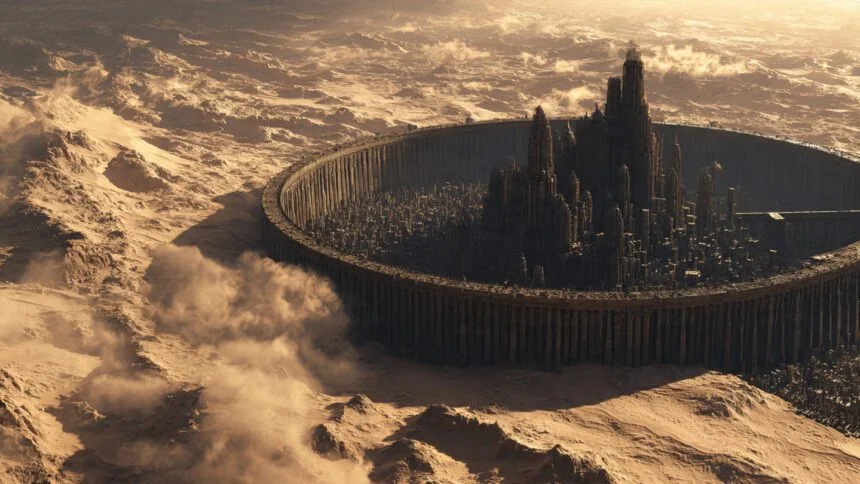
History is a heavy shroud, layered with the dust of forgotten empires and the silence of entities that walked the Earth before the sun ever shone on a human king. While modern science prides itself on the cataloging of every grain of sand in Mesopotamia, there remains a shadow over the territory of modern Iraq that refuses to be illuminated. We often speak of the cradle of civilization in terms of Sumer, Akkad, and Babylon, yet the ancient writers whispered of something much older and infinitely more terrifying.
They spoke of a country hidden among the dunes, a last bastion of a world that existed before the waters rose to cleanse the planet. This was the final stronghold of the antediluvian civilization, a state that did not belong to men, but to creatures born of a different reality.
The primary records of this enigmatic state were once kept in the great library of Tehran, a repository of knowledge that was lost to the flames during the brutal Mongol invasions. With the burning of those scrolls, a bridge to our true past was severed. Yet, the echoes remain. From the deep verses of ancient Indian texts to the cryptic warnings of Greek philosophers, a consistent image emerges of a kingdom in the sands that served as the final retreat for prehistoric beings. This was not a myth designed to entertain; it was a record of a lingering threat from a world that had already been judged and discarded by the gods.
The Ringed City of the Scorpion Warriors
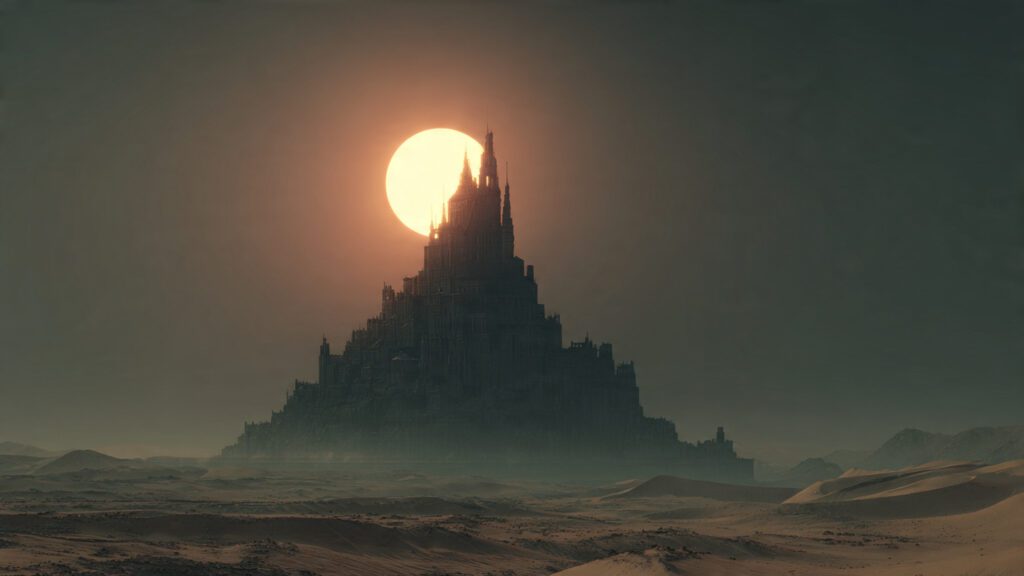
Imagine a landscape so hostile that the very air feels like a physical weight, where the horizon is a shimmering blur of heat and grit. In the heart of this desolation stood a ringed city, a fortress designed not just for defense, but for the preservation of a dying lineage. The outskirts of this city were patrolled by the Akrabuamelu, the scorpion-men. These were not mere soldiers; they were biological anomalies, half-human and half-scorpion, summoned or engineered into existence. In Akkadian mythology, they are described as the offspring of Tiamat, the primordial goddess of chaos. Their presence suggests that the city was a place where the laws of nature were still being dictated by antediluvian forces.
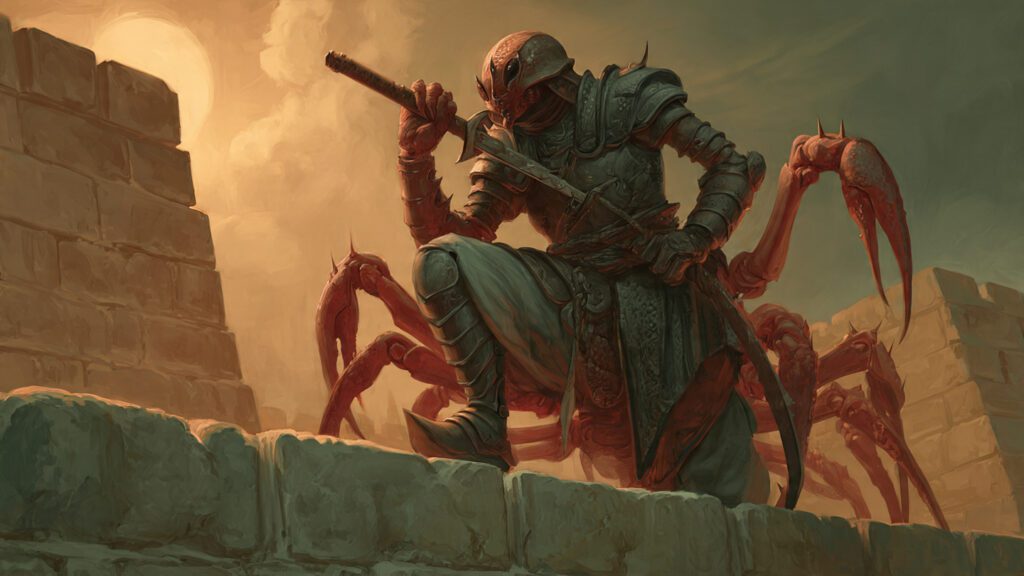
These scorpion warriors were the guardians of the perimeter, ferocious and warlike, possessing a strength that made human steel seem like brittle glass. They were the physical manifestation of the city’s hostility toward the rising tide of humanity. They stood as a warning to any who dared approach the sacred center of the desert kingdom. To the ancients, these creatures were a grim reminder of a time when monsters were the masters of the Earth, and humans were merely cattle or collateral in a cosmic war. The ringed architecture of the city served as a mandala of power, concentrating the energy of the residents and creating a sanctuary for the elite that lived within the inner circles.
The Reign of the Serpent Queen and the Lost Naga
At the center of this desert fortress lived the true masters of the realm | a race of half-human, half-snake beings. Led by a mysterious queen, these serpents were the remnants of a global civilization that had once spanned Eurasia, North Africa, and the Americas. Before the Great Flood, these creatures were the architects of the world, building megalithic structures and mastering the occult sciences. However, a grandiose cataclysm, perhaps the biblical Deluge or a shifting of the Earth’s crust, shattered their hegemony. All their great cities were swallowed by the sea or buried under mountains of mud, leaving only scattered survivors.
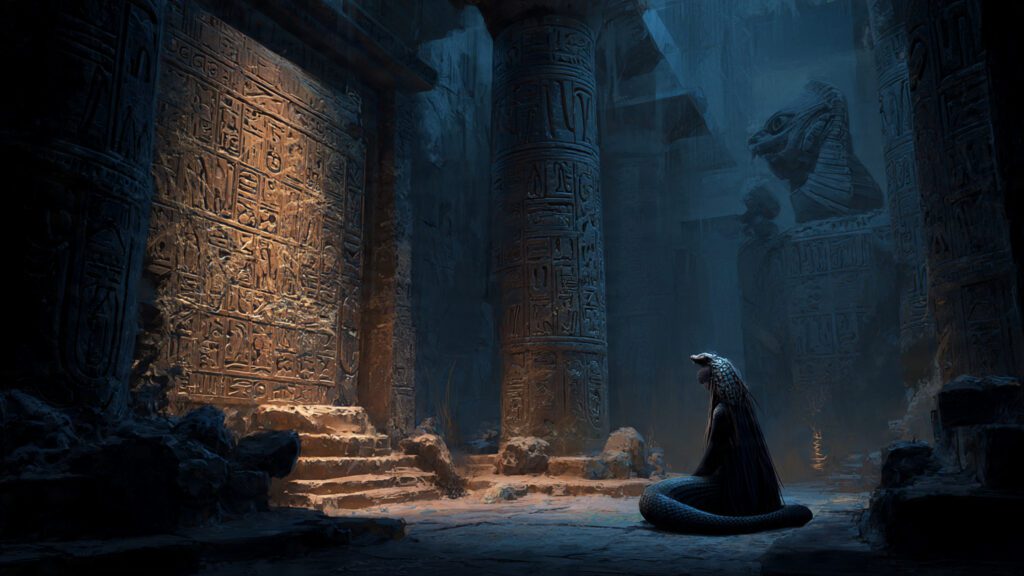
The unnamed serpent queen was a figure of immense will. She gathered the fragmented survivors from across the globe and led them to the Great Sands of what is now Iraq. Her goal was not peaceful coexistence but a long-term strategy for world domination. She sought to amass an army of antediluvian hybrids, waiting for the moment when human civilization would falter so she could reclaim her ancestral throne. This was a state of high technology and ancient magic, a dystopian enclave where the serpent-folk plotted the downfall of the new world. They were the nagas of Indian lore, the feathered serpents of the West, and the draconian lords of the East, all united under one banner in the Iraqi desert.
The Great Campaign and the Fall of the Fortress
The peace of the desert was eventually broken when the serpent queen, miscalculating the rapid growth and tenacity of the early Sumerian people, launched an aggressive campaign to reclaim the region. This was a war of extinction. The inhabitants of the fortress marched out with their scorpion legions, but they found that the world had changed. Humans were no longer disorganized tribes; they were becoming a coordinated force, fueled by a new kind of survival instinct. The snake queen suffered a devastating defeat on the battlefield. In her panicked retreat, she led the human armies back to the secret city, exposing the location that had been hidden for centuries.
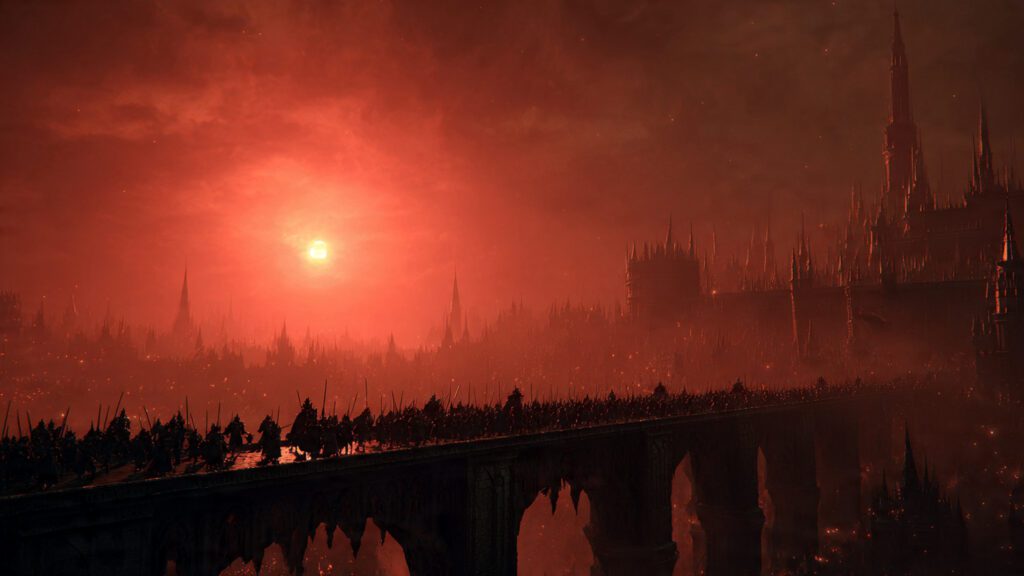
The siege of the ringed city lasted for a duration that the ancient texts describe in hushed tones. The antediluvian creatures fought with a desperation born of the knowledge that there was nowhere left to run. But the momentum of history was against them. The humans breached the walls, and the last stronghold was razed to the ground. This event marked the final transition of power. The harpies, minotaurs, centaurs, and giants that had survived the biblical cataclysm were now being systematically hunted or forced into the deepest shadows of the Earth. The destruction of the Iraqi fortress was the final nail in the coffin of the prehistoric world, leaving only legends and a few scattered individuals to hide in the cracks of the new human reality.
Archaeological Silence and the Mystery of Ancient Testimony
A skeptic might ask why we find no physical evidence of such a city today. The answer lies in the nature of the desert itself and the deliberate erasure of the past. The sands of Iraq are a shifting grave, capable of burying entire civilizations under hundreds of feet of sediment. Furthermore, the early humans who conquered the city likely dismantled its stones to build their own ziggurats, recycling the power of the old world into the foundations of the new. We are left with the testimony of the founders of science, the Greek and Roman thinkers who recorded these accounts with a seriousness that suggests they were not dealing in fables.
It is difficult to believe that the founders of logic and mathematics suddenly decided to engage in mass hallucination when discussing the serpent state. These thinkers lived in an era when the oral traditions were still fresh, and the physical ruins of the old world were perhaps still visible. When we compare the texts of Europe with the Vedic records of India, the consistency is haunting. They describe the same creatures, the same geography, and the same tragic end. It is a cross-cultural corroboration that defies the boundaries of distance and time. They were describing a reality that has since been edited out of our textbooks to make room for a more comfortable, linear version of human progress.
The Dystopian Legacy of a Forgotten World
We live in a world that assumes it is the first to reach the peak of civilization. But the story of the Iraqi stronghold suggests we are merely the latest tenants in a house that has seen many masters. The antediluvian beings were not just monsters; they were a complex civilization with their own queens, warriors, and grand ambitions. Their failure was a result of their inability to adapt to a world that was no longer theirs. The climatic changes following the Great Flood did more than just move water; they changed the vibrational frequency of the planet, making it uninhabitable for the giants and the serpents of old.
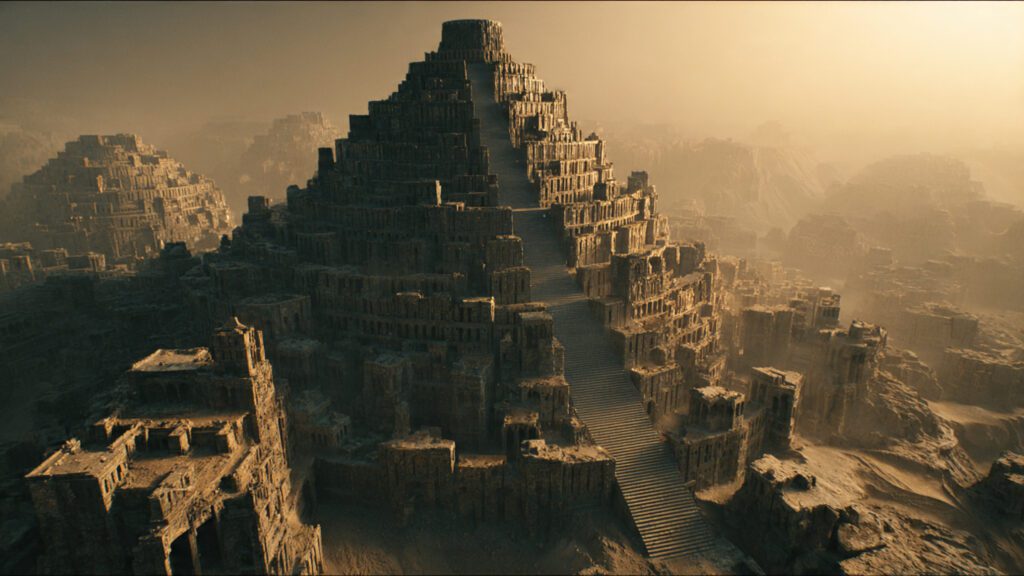
The remnants of this era still haunt our collective subconscious. Our fear of snakes, our stories of dragons, and our fascination with hybrid creatures are not accidental. They are ancestral memories of a time when the desert was not empty. The queen of snakes and her scorpion guard were the last guardians of a prehistoric fire. When their city fell, the light of that age went out forever, leaving us to find our own way in the dark. As we dig through the sands of Iraq today, we should remember that we are walking over the bones of a world that once thought it would last forever.
Why Mankind Inherited the Earth
The transition from the antediluvian to the human era was a brutal process of natural selection. Those creatures that behaved aggressively, like the serpent queen and her subordinates, were the first to be eliminated by the rising human tide. Humans possessed something the ancient hybrids did not | the ability to cooperate on a massive scale and a relentless drive to colonize every corner of the globe. By the time the fortress in Iraq was destroyed, humans had already claimed 90 percent of the habitable land. The monsters were forced into small, isolated groups, eventually fading into the mists of folklore.
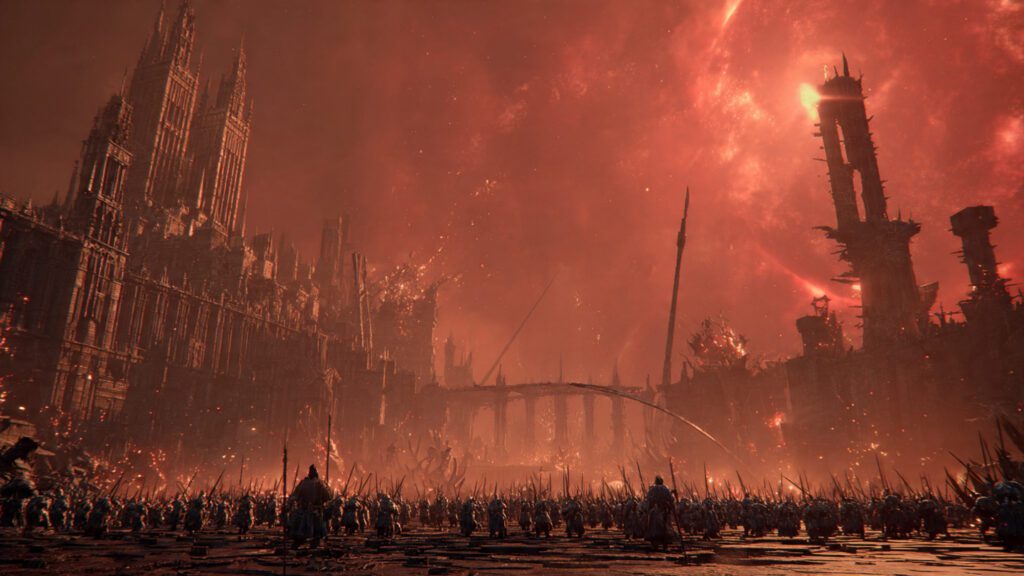
This takeover was not just a military victory; it was a biological mandate. The new world belonged to the warm-blooded, the social, and the adaptable. The cold-blooded serpent lords and the rigid scorpion-men belonged to a rigid, hierarchical past that could not survive the fluidity of the post-Flood environment. Today, we stand as the undisputed masters of the planet, but the story of the Iraqi stronghold serves as a warning. Even the most powerful civilization can be brought to its knees by a sudden shift in the world’s map. We are the inheritors of the sand, but the sand has a way of reclaiming everything it gives.
The Silent Echoes in Modern Iraq
Even today, those who travel deep into the Iraqi desert speak of a strange energy that permeates certain regions. There are places where the wind sounds like a whispered language and where the dunes seem to follow an unnatural geometry. Is it possible that the ruins of the ringed city still exist beneath the surface, protected by the very sands that witnessed its fall? Modern archaeology is only beginning to scratch the surface of the Mesopotamian plains. With every new discovery, the boundary between myth and history becomes thinner.
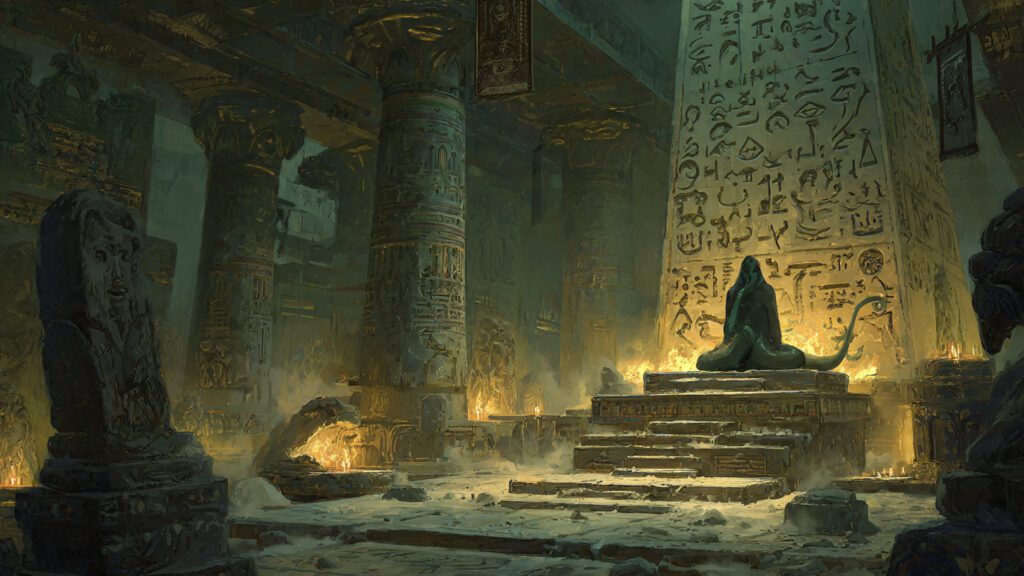
The story of the snake queen and her final stand is a reminder that our history is much longer and much stranger than we are led to believe. We are not the first to build empires in the desert, and we likely will not be the last. The antediluvian world was a reality of majestic and terrifying proportions, a dystopian landscape where gods and monsters struggled for control. By acknowledging the existence of the stronghold in Iraq, we begin to piece together the true story of our origins. We are the survivors of a cosmic transition, living in the ruins of a world that the future has already forgotten.