
Have you ever stopped to question the stories we’ve all been fed about death? The grim reaper, eternal darkness, judgment day—it’s all so final, so terrifying, isn’t it? But what if I told you that much of what society, religion, and even science has drilled into us is a carefully crafted illusion? An illusion designed to keep us in line, tethered to fear, and blind to our true potential. Death isn’t the end. It’s not a punishment or a void. Instead, it’s a profound transition, a gateway to liberation or rebirth, depending on how prepared you are. And this isn’t some modern self-help spin; it’s ancient wisdom preserved in one of the most enigmatic texts ever written | the Bardo Thodol, better known as the Tibetan Book of the Dead.
This mystical guide, hidden for centuries in the remote monasteries of the Himalayas, challenges everything we think we know about the afterlife. It reveals death as a series of intermediate states—bardos—where your consciousness navigates illusions, confronts its own creations, and has the chance to break free from the cycle of suffering. But why has this knowledge been shrouded in secrecy? Why isn’t it shouted from every rooftop, taught in every classroom? The answer is simple | it’s dangerous. Dangerous to power structures built on fear and control. If you knew that death was just a mirror of your mind, that there’s no external judge waiting with fire and brimstone, how would that change how you live? How you obey? How you chase illusions of success and security?
The Hidden Truth About Death | Beyond Fear and Illusion
Let’s start with the elephant in the room | why do we fear death so much? From childhood, we’re bombarded with tales of finality. Religions promise heaven or hell based on obedience. Science reduces it to biological shutdown. Media sensationalizes it with horror stories. But the Tibetan Book of the Dead flips the script. Death, it says, is not annihilation. It’s a transformation. Your consciousness doesn’t vanish; it evolves, shedding the physical shell like a snake sheds its skin.
This truth has been guarded for millennia because it empowers the individual. Imagine realizing that the afterlife is shaped by your own mind—your thoughts, emotions, attachments, and awareness. No divine court, no eternal damnation unless you create it through your unresolved karma. This knowledge frees you from manipulation. No wonder it’s been suppressed in the West, where systems thrive on our dread of the unknown. In the East, particularly in Tibetan Buddhism, it’s more accessible, but only to those ready to face it. It demands courage, presence, and a willingness to dismantle the ego. Qualities our fast-paced, distraction-filled world actively erodes with endless scrolls, notifications, and material pursuits.
The book warns that without preparation, death becomes a trap. Your unresolved fears and desires manifest as terrifying visions, pulling you back into rebirth. But with awareness? You can dissolve into pure light, achieving liberation. This isn’t fantasy; it’s a roadmap drawn from centuries of meditative insight. And it’s more relevant today than ever, as we grapple with mortality in an age of pandemics, AI, and existential crises.
What Is the Tibetan Book of the Dead? Unveiling the Bardo Thodol
At its core, the Bardo Thodol, translated as “Liberation Through Hearing During the Intermediate State”, isn’t a book for the dead. It’s for the living and the dying. Compiled from ancient oral traditions and finally written down in the 8th century, it’s a funerary text read aloud to guide the consciousness through the bardos, those liminal spaces between death and rebirth.
Unlike Western grimoires or spellbooks, this is a profound psychological and spiritual manual. It describes the afterlife not as a fixed realm but as a projection of your mind. Everything you encounter—lights, sounds, deities—is a reflection of your inner world. The goal? To recognize this and attain enlightenment, breaking the wheel of samsara (endless rebirth).

The text emphasizes that death is an art. Dying well requires practice, just like living well. It’s read to the dying to prepare them, and to the deceased to navigate the bardos. But its wisdom applies now | cultivate mindfulness, release attachments, and you’ll face death awake, not asleep in illusion.
Why “Book of the Dead”? A Misnomer with Deep Roots
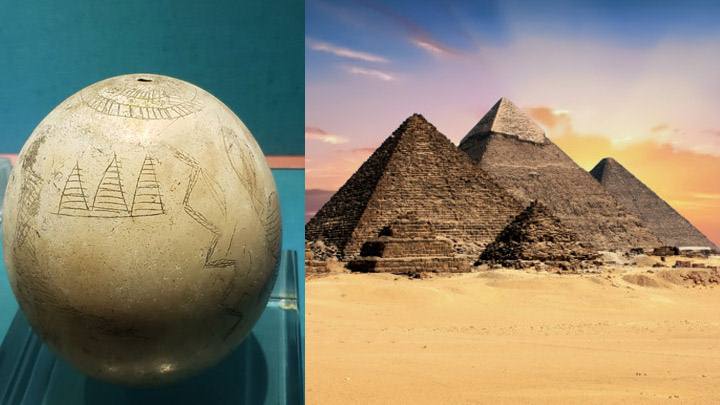
The Western title “Tibetan Book of the Dead” was coined by translator Walter Evans-Wentz in 1927, drawing parallels to the Egyptian Book of the Dead. But it’s misleading. The Egyptian text is a collection of spells for the afterlife elite, pragmatic and ritualistic. The Bardo Thodol is mystical, accessible to anyone with spiritual preparation. It’s not about bargaining with gods; it’s about self-realization.
This naming choice popularized it but also pigeonholed it as exotic esoterica. In truth, it’s a timeless guide to consciousness, influencing thinkers from Carl Jung to modern psychologists.
Origins and History | From Padmasambhava to Modern Discovery
The roots of the Bardo Thodol trace back to the 8th century, attributed to Padmasambhava, the Indian tantric master who brought Vajrayana Buddhism to Tibet. Known as Guru Rinpoche, he dictated the teachings to his consort Yeshe Tsogyal, who hid them as terma—spiritual treasures—to be revealed when humanity was ready.
Fast-forward to the 14th century | Tibetan mystic Karma Lingpa unearthed these texts in the Gampo hills. Part of the Nyingma school’s “Profound Dharma of Self-Liberation through the Intention of the Peaceful and Wrathful Ones,” it blends Buddhist philosophy with indigenous Bon elements, creating a unique Tibetan flavor.
For centuries, it remained secret, passed orally among initiates. Its public emergence in the West came via Evans-Wentz’s translation, with commentary by Jung, who saw it as a window into the unconscious. Today, multiple translations exist, including Robert Thurman’s accessible version, making it a cornerstone of global spirituality.

This history underscores its authenticity | not a fabricated myth, but a living tradition refined over generations.
The Structure of the Bardo Thodol | A Roadmap to the Beyond
The book is divided into key sections, each addressing phases of death and afterlife:
- The Chikhai Bardo (Moment of Death) | Instructions on recognizing the clear light.
- The Chonyid Bardo (Experiencing Reality) | Encounters with deities and visions.
- The Sidpa Bardo (Rebirth) | Karmic hallucinations leading to new life.
It also covers preparatory rituals, signs of impending death, and post-death practices. The full cycle includes liturgies, prayers, and meditations, forming a comprehensive system.
Beyond these three, the text references six bardos total, including life, meditation, and dreams—reminding us that every moment is transitional, an opportunity for awakening.
Key Concepts | Bardo, Liberation, and the Nature of Mind
“Bardo” means “intermediate state,” a gap where reality is fluid. Liberation (thodol) comes through hearing and recognizing the truth | all phenomena are mind-made.
Central is the “clear light of reality”, pure awareness at death. If you merge with it, you’re free. But attachments pull you away, into visions shaped by karma.
The mind is both creator and destroyer. In life, we build illusions; in death, they manifest. Liberation requires seeing through them, dissolving ego into emptiness—not nothingness, but boundless consciousness.
Karma and Attachment | The Chains That Bind
Karma isn’t punishment; it’s cause and effect. Unresolved emotions create bardic traps. Release them now through meditation, compassion, and awareness.
The Stages of the Afterlife Journey | What Happens When You Die?

According to the book, death unfolds in vivid stages:
Chikhai Bardo | The Clear Light Emerges
As the body fails, consciousness detaches. You hear roaring winds, feel gray mist. Then, the clear light appears, dazzling, all-encompassing. Recognize it as your true nature, and liberate. Most flee, attached to ego.
Chonyid Bardo | Visions of Deities
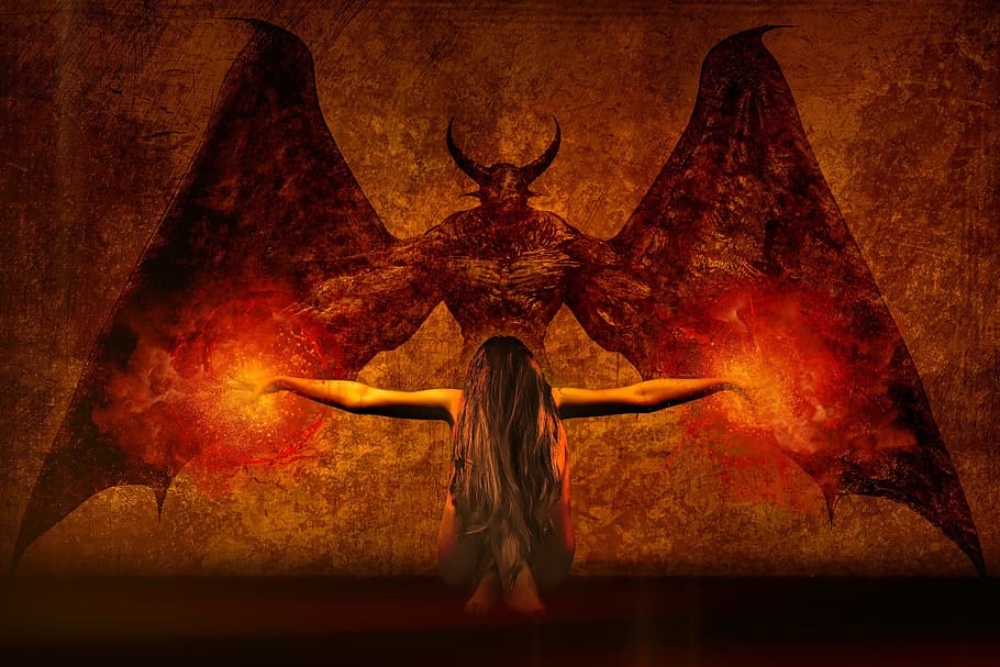
Next, peaceful deities appear, emanating love. If ignored, wrathful ones emerge—terrifying, but also mind-projections. They’re aspects of enlightenment; embrace them without fear.
This stage lasts days, with sounds, lights, and forms testing your resolve.
Sidpa Bardo | The Pull of Rebirth
Karmic winds blow. You see couples uniting, feel drawn to wombs. Visions of realms appear; choose wisely, or karma decides.
Without recognition, you’re reborn, cycle repeats.
These descriptions mirror near-death experiences | light, life review, out-of-body states.
The Clear Light and Opportunities for Enlightenment
The clear light is the pinnacle | unconditioned awareness, the “spark of the absolute.” It’s brief, moments after death. Trained meditators dissolve into it, achieving dharmakaya, ultimate reality.
Miss it? Secondary lights offer chances. The book urges | “O nobly-born, recognize your own mind!”
Peaceful and Wrathful Deities | Mirrors of the Soul
Peaceful deities (like Vairocana) represent wisdoms. Wrathful ones (like Herukas) embody fierce compassion, cutting through delusion.
They’re not external; they’re you. Fear them, and suffer; realize them, and liberate.
Preparation for Death | Living Mindfully to Die Awake
Preparation starts now. Meditate daily to recognize mind’s tricks. Practice phowa (consciousness transference). Cultivate virtues | compassion, detachment.
The book advises living as if death is imminent—because it is. This isn’t morbid but empowering. Face fears, resolve regrets, awaken presence.
For the dying | read the text aloud, remind them of impermanence.
Reincarnation and the Six Realms | Where Will You Go Next?

If liberation eludes, rebirth awaits in one of six realms, lit by colored lights:
- Deva Realm (White Light) | Gods in bliss, but temporary; leads to complacency.
- Asura Realm (Green Light) | Jealous titans, endless strife.
- Human Realm (Yellow Light) | Balanced suffering/joy; best for practice.
- Animal Realm (Blue Light) | Ignorance, survival-driven.
- Preta Realm (Red Light) | Hungry ghosts, insatiable craving.
- Naraka Realm (Gray Light) | Hells of torment, from anger.
Karma determines attraction. Recognize illusions, avoid rebirth. Merge with light for nirvana.
This isn’t literal; realms are mind-states, even in life.
Differences from the Egyptian Book of the Dead | Pragmatism vs. Mysticism
The Egyptian text is spells for safe passage, elite-focused, external rituals.
Bardo Thodol is internal | mind-training for all, emphasizing realization over incantation.
One buys favor; the other earns insight.
Influence in the West and the Psychedelic Revolution
Evans-Wentz’s 1927 translation introduced it, with Jung praising its depth.
In the 1960s, Timothy Leary’s “The Psychedelic Experience” likened LSD trips to bardos, fueling counterculture. Musicians like The Beatles and filmmakers like David Lynch drew inspiration.
Today, it’s in therapy, hospice care, exploring consciousness.
Modern Interpretations and Scientific Perspectives
Science sees parallels | NDEs match descriptions. Quantum theories hypothesize consciousness as information, transferable.
Is it hallucination or reality? The book suggests | test through practice.
Hypothesis | Death opens portals to parallel worlds or universal field. Merge with it, or reincarnate.
Ultimately, it’s a call to awaken, now.
In embracing this truth, we reclaim power over life and death. Death isn’t a lie; our ignorance is. Live awake, die free.