



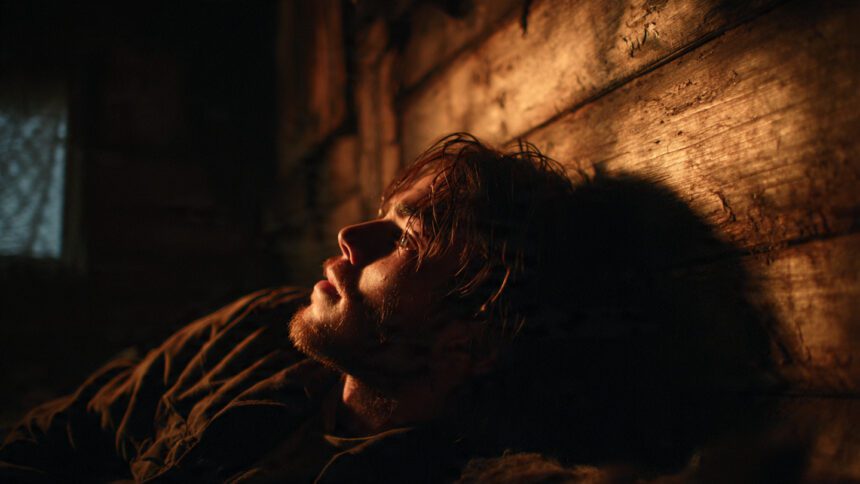
In the shadowed corner of a crumbling hut, a man lies withered on a wooden bench. His eyes remain tightly shut, but his jaw works in frantic, jagged motions. From his throat emerges a sound that defies human anatomy, a guttural mutter that suddenly spikes into a heart-rending scream. His body, once frail, begins to vibrate with a violent energy, shuddering in convulsions that suggest an internal war.
The onlookers do not reach for a medical kit or a cooling compress. Instead, they clutch their crosses and whisper of a darkness that has taken root within. In the old days, this was the unmistakable signature of the demon. Today, we might label it epilepsy, rabies, or a psychological fracture, but to our ancestors, this was a literal invasion of the soul.
The mystery of possession is not merely a relic of a primitive mind. It is a complex tapestry of folklore, spiritual observation, and a profound understanding of the human energy field. To look back at how the possessed were recognized and how evil spirits were fought is to peer into a mirror of our own modern vices and fears. This is not just a story of monsters under the bed, but a study of the unseen forces that have always viewed the human experience as a fertile ground for cultivation.
The Origin of the Malignant Spirit
It is a common misconception that the concept of the demon only arrived with the spread of Christianity. Long before the cross dominated the landscape, ancient cultures spoke of these entities during the height of pagan belief. In the later Christian framework, demons were defined as the fallen, those who rebelled against the divine and were cast down to the earth. Driven by a vengeful spite against the light, these characters dedicated their existence to harming humanity.

However, the demon was distinct from the devil of fairy tales. While the devil might occasionally strike a deal or provide a service in folklore, the demon was viewed as an exclusively negative force. While the devil might confuse or nudge a person toward a mistake, it was the demon that truly possessed the spirit. They were the architects of false miracles and the catalysts for total internal collapse.
Recognizing the Breath of the Beast
Identifying a possessed individual in the old days was a process of observing anything that fell outside the boundaries of the normal or the moral. Those who indulged in harmful excesses, such as chronic alcoholism or destructive addictions, were not seen as having a lack of willpower. They were seen as being ridden by a spirit that fed on their degradation. If a person became uncontrollable, inadequate, or entirely detached from social norms, the verdict was swift.

Medical conditions that we understand today as nervous paralysis, sleepwalking, or epilepsy were once the primary evidence of a demonic intrusion. In the realm of ancient psychiatry, there was even a recognized state known as cacodemonomania, where a person became utterly convinced of their own possession. Even the terrifying progression of rabies, with its hydrophobia and final descent into madness, was seen as a literal manifestation of a devilish spirit bringing a person to their grave.
The Anatomy of an Entity
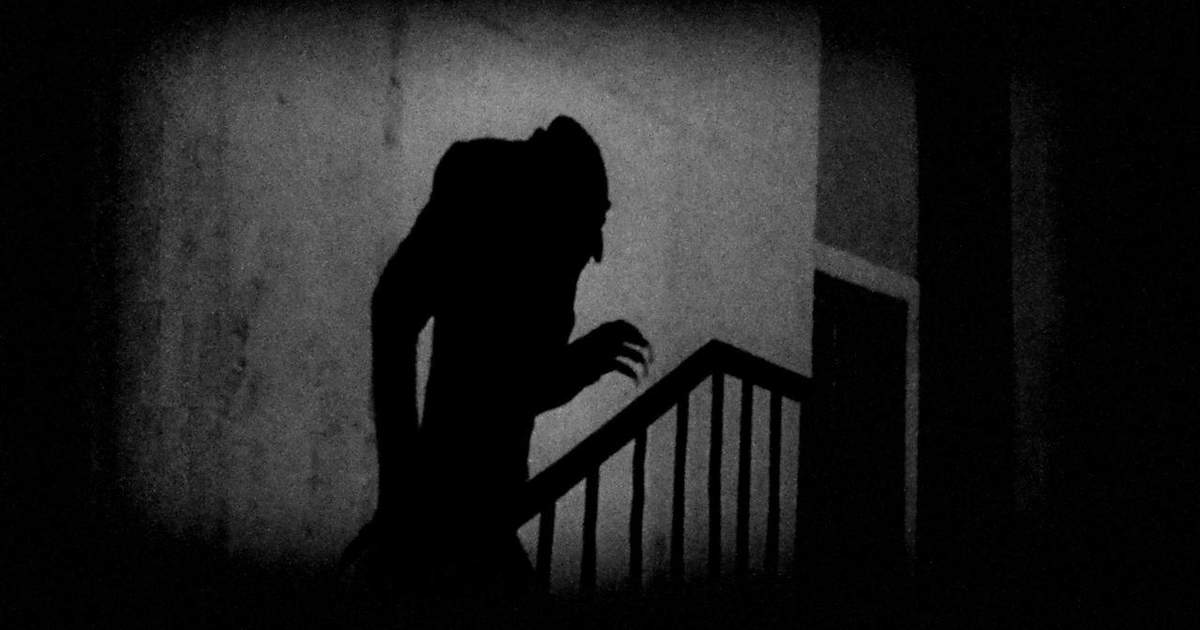
In the collective memory of the people, the demon was rarely a grand, winged figure. Instead, it was described as a small, shaggy creature, often covered in fur that shimmered with shades of black or deep blue. Unlike the devil, who boasted hooves and horns, the demon was a creature of the earth and the shadows. They were believed to inhabit everything from the murky depths of forest swamps to the very beams of an ordinary village hut.
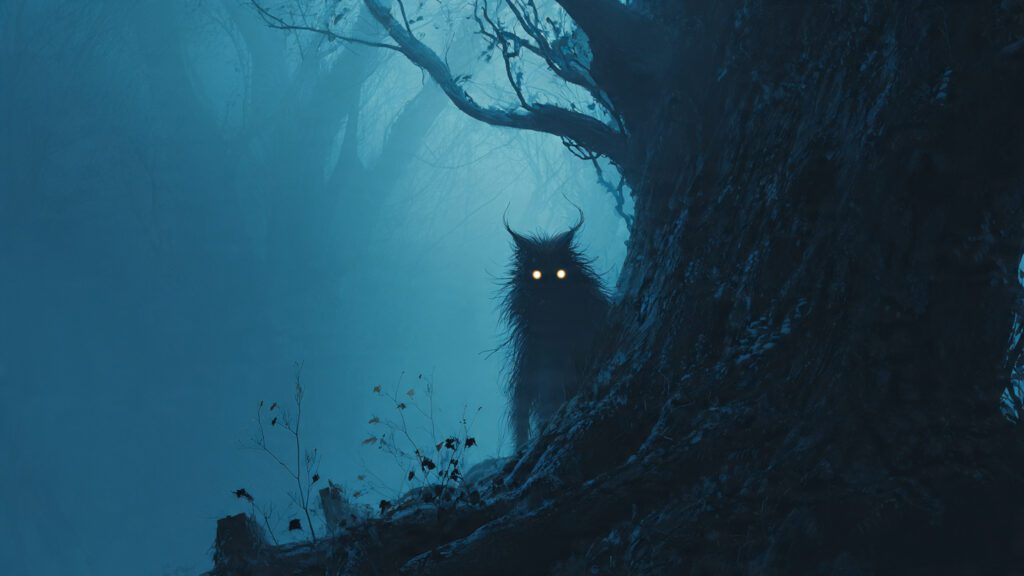
These entities were said to keep company with water spirits and mermaids, leading to the tradition of crossing oneself before entering a river or lake. The water was a gateway, and the demon was always waiting for the unprotected. Yet, despite their omnipresence, not everyone was a target. The victims were usually those who had already tilted toward the filthy and the impious. The ancient logic was simple. If a person lives according to light and repentance, they unite with the divine. If they live contrary to the commandments, they provide a landing pad for the spirits of malice.
Ancient Methods of Defeat and Deliverance
The fight against these entities was both physical and spiritual. Sacred objects like icons, holy water, and the sign of the cross were the primary armor of the common person. However, for those who were already deeply possessed, more drastic measures were required. One of the most haunting traditions involved leaving the afflicted person in the bell tower of a church. It was believed that the ringing of the bells carried a vibration that evil spirits found physically intolerable. The resonance of the bronze was said to shake the entity loose from its human host.

But the most potent instruction for defeating a demon was found in the heart of the individual. The struggle was not fought in the forest or the cellar, but in the internal landscape. To save the soul, one had to remain an honest person aligned with the brightest ideals. The ancient texts suggest that both angels and demons view humans as nothing more than a garden or a feeder.
The Human Garden and the Harvest of Energy
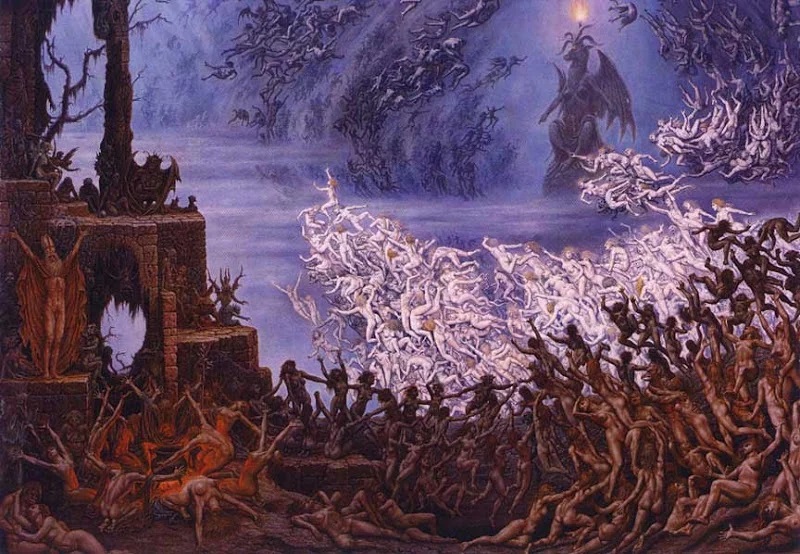
This is the most unsettling revelation of the ancient and medieval mind. Human beings were viewed as a resource. If angels and light entities were said to feed on the positive emotions of joy, tranquility, and creative uplift, then demons were the predators of negative energy. Their delicacy of choice was fear. This explains why demonic manifestations often involve noise, terror, and sudden shocks.
The main food of the demon is the energy released when a person feels uncertainty and horror. When a person is afraid, the trough of the demon is full. If that person is also burdened with vices, they become a gourmet table for the negative entity. The more a person indulges in malice and fear, the more nourished and persistent the entities around them become. They annoy and provoke the inhabitant of the house, forcing them to produce more negative energy to keep the harvest ripening.
Conclusion of the Internal War
Ultimately, the stories of demons and possession are more than just superstitions. They are a personification of the vices that attack us when we lose our internal compass. The ancient wisdom suggests that we are constantly choosing which entities we feed. We are the gardeners of our own souls, and the crop we grow determines who comes to the table. In a world that often feels dystopian and disconnected from the sacred, the old legends remind us that the most important battle is the one happening inside us right now. Whether we produce light or shadow, the harvest is always coming.