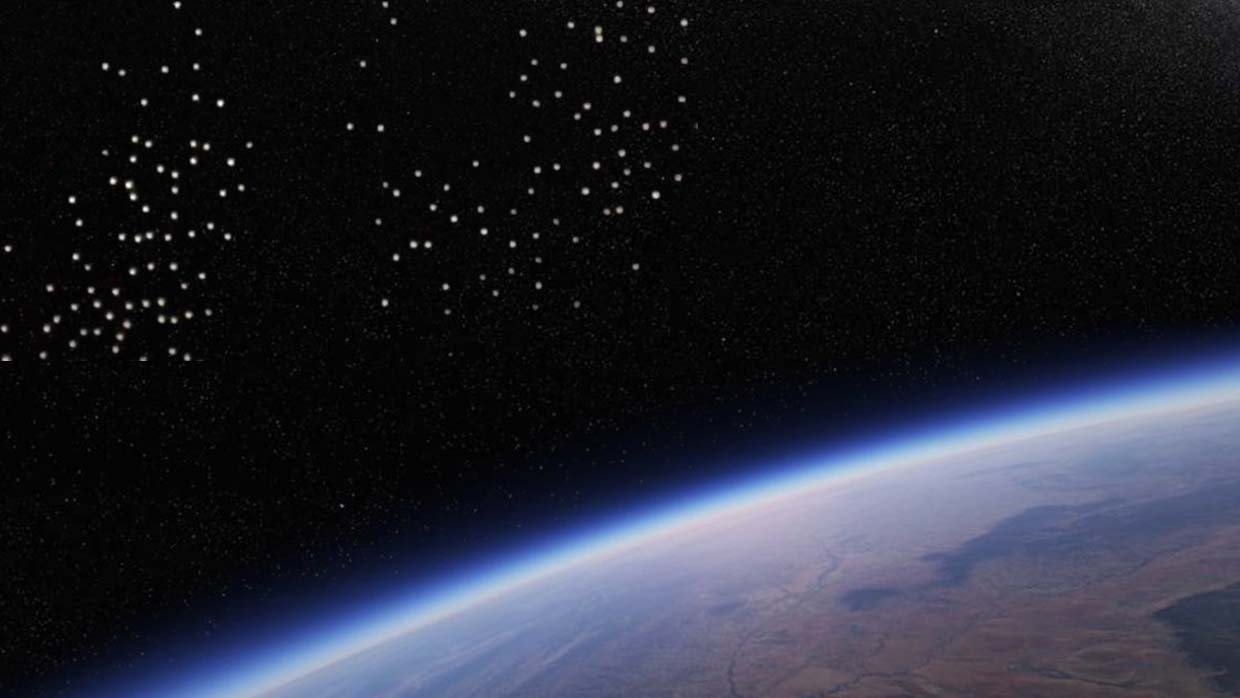



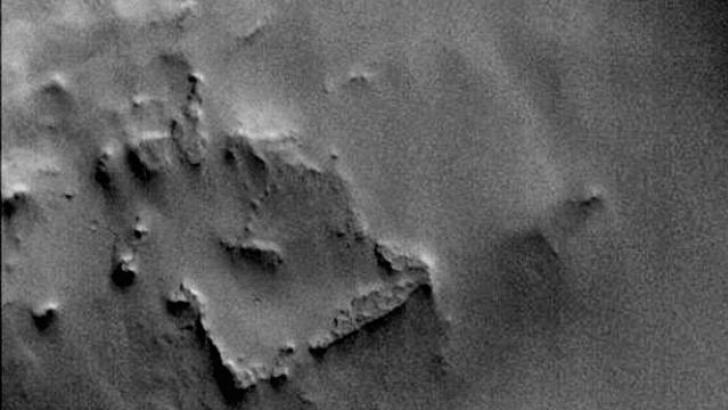
The mission came to an abrupt end in November 2006, when the spacecraft ceased communication with Earth, presumably lost to the harsh realities of space. However, its legacy endures—not only in the scientific community but also in the realm of speculation and intrigue. Conspiracy theorists have long asserted that the MGS did not meet its demise as NASA claims. Instead, they propose that the spacecraft continues to orbit Mars in secret, clandestinely capturing high-resolution photographs of specific sites deemed critical by NASA. These locations, they argue, hold strategic importance for future space missions aimed at establishing human colonies on the Red Planet. According to such theories, the public narrative of the MGS’s failure serves as a convenient cover to withhold sensitive information from the world.
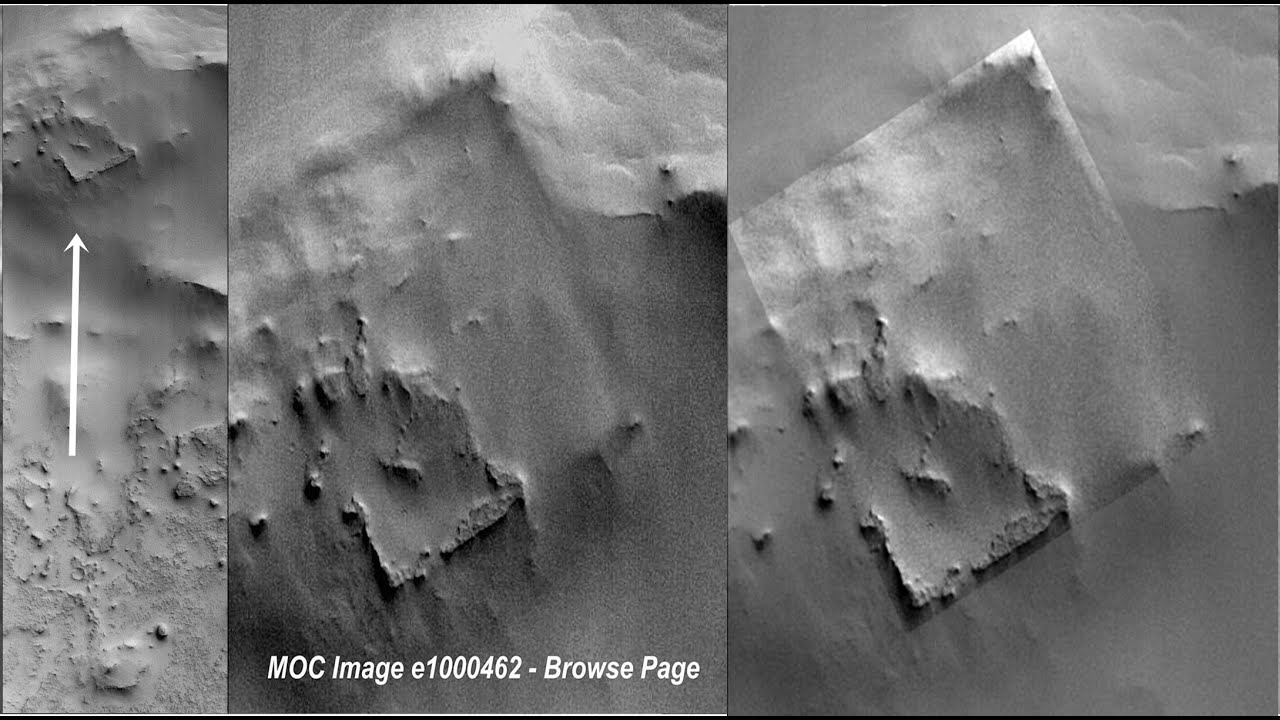
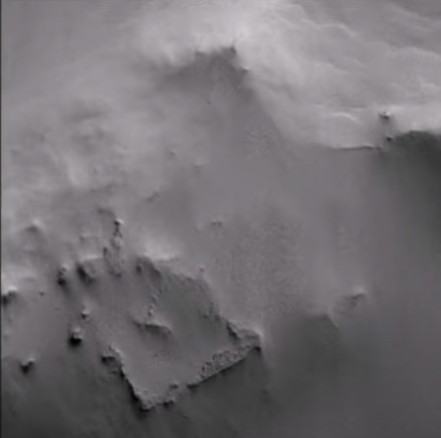
One of the most tantalizing pieces of evidence fueling these speculations emerged from a photograph credited to the MGS probe. This image, widely circulated and analyzed, reveals a peculiar square structure situated just below two hills that, to some observers, resemble the facial features of a sphinx. The structure itself appears weathered, its edges softened by the relentless passage of time and partially obscured beneath a blanket of Martian sand. Researchers and enthusiasts who study these anomalies suggest that this formation could be the remnant of an enormous, ancient archaeological site—a testament to a lost civilization that once thrived on Mars. The sphinx-like visage, they claim, adds an evocative layer of mystery, echoing the enigmatic monuments of Earth’s own ancient cultures.
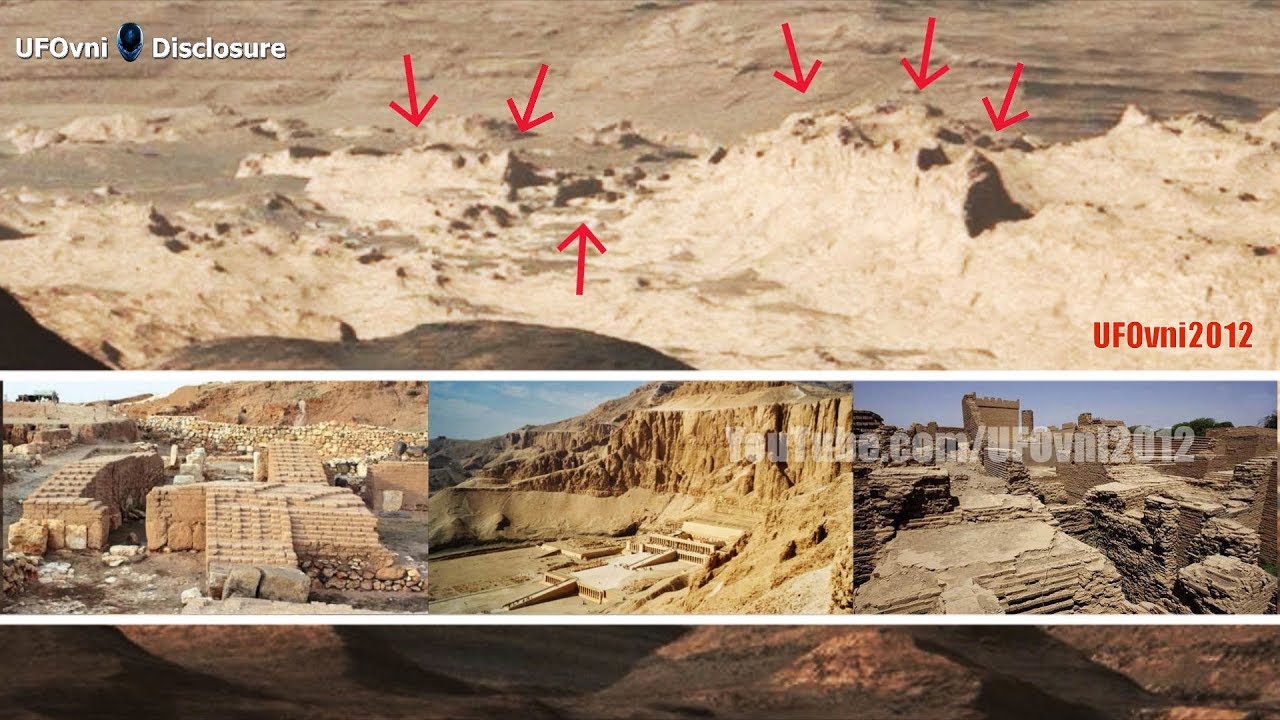
This is not an isolated anomaly. Over the years, NASA’s various Mars rovers—equipped with advanced imaging technology—have captured a plethora of stunning photographs showcasing features that defy natural explanation. These images depict what appear to be carved walls, fences, and the crumbling ruins of what might once have been sprawling cities. Statues, buildings, and other curious formations dot the Martian surface, many of them eroded by eons of wind and dust or half-buried beneath the shifting red sands. To those who scrutinize these photographs, such structures offer compelling evidence that Mars was once home to an advanced alien civilization, one that left behind a legacy of architectural marvels now reduced to relics of a forgotten age.
The square structure and its accompanying sphinx-like hills have become focal points in this ongoing debate. Researchers who advocate for the archaeological interpretation argue that these features are far too symmetrical and purposeful to be mere geological coincidences. They propose that the site could represent a monumental complex, perhaps a ceremonial or cultural hub, constructed by intelligent beings in Mars’s distant past. The erosion and sand coverage, they note, are consistent with the planet’s harsh environmental conditions, which have likely obscured much of its history over billions of years.
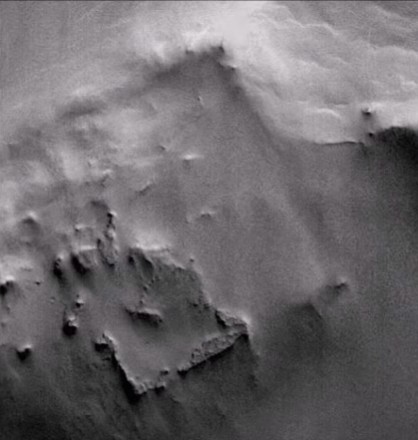

In past years NASA’s Rovers have captured countless stunning images of anomalies that appear to be carved or artificially constructed on the surface of the planet Mars. The photographic evidence of many structures such as walls, fences, the ruins of ancient cities, could be proof that Mars was once inhabited by Alien civilizations. Buildings, statues and other anomalies have been altered, eroded or partially buried under the sands of the red planet.

NASA, for its part, has remained cautiously agnostic on the matter. The agency acknowledges the existence of these intriguing formations but stops short of endorsing any definitive conclusions. Official statements emphasize that while the images are indeed perplexing, they do not conclusively prove the presence of artificial structures or past civilizations. The scientific consensus leans toward natural processes—such as wind erosion, volcanic activity, or ancient water flows—as potential explanations for these anomalies. Yet, this measured stance has done little to quell the fervor of UFO hunters, space anomaly enthusiasts, and independent researchers, who view the photographs as irrefutable proof of extraterrestrial intelligence.
Beyond the square structure and sphinx-like hills, other regions of Mars’s surface reveal equally enigmatic features. From pyramid-shaped mounds to what some interpret as fossilized remnants of artificial constructs, the Red Planet continues to captivate imaginations. For those who believe in an ancient Martian civilization, these anomalies collectively form a mosaic of evidence suggesting that Mars was once a bustling world, perhaps not unlike Earth in its prime. They speculate that cataclysmic events—possibly the loss of its atmosphere or catastrophic climate shifts—led to the downfall of this hypothetical society, leaving behind only whispers of its existence in the form of eroded ruins.
The debate surrounding these discoveries is unlikely to be resolved anytime soon. For every scientific explanation offered, a counterargument rooted in the possibility of alien life emerges, fueled by the enduring human desire to uncover cosmic truths. The Mars Global Surveyor, whether lost to history or secretly orbiting above, remains a symbol of this quest—a silent witness to the mysteries of a planet that continues to challenge our understanding of the universe. As future missions to Mars unfold, including ambitious plans for human exploration and colonization, the secrets buried beneath its sands may yet come to light, offering answers to questions that have lingered for decades—or perhaps deepening the enigma even further.