



The Pentagon was aware of the probability of a pandemic caused by a new coronavirus since at least 2017, when an internal document predicted the lack of medical supplies to deal with the problem, such as respirators, hospital beds, and masks.
The 103-page document, which the magazine The nation describes a Defense Department plan to respond to a major influenza outbreak, it cites a new respiratory illness as “the most likely and significant threat (enemy)” in a pandemic situation.
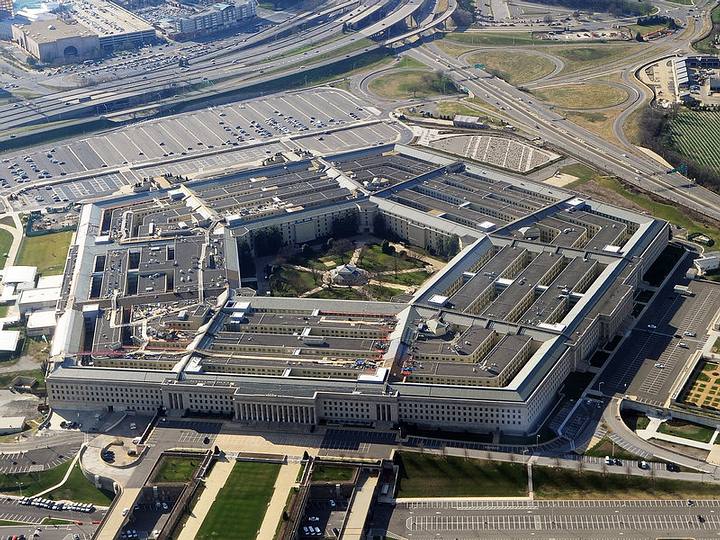
The document also warns that the lack of masks and respirators will have “a major impact on the availability of the global workforce.”
“The intelligence community and the military were well aware of what it could, and unfortunately, it ended up happening,” said reporter Ken Klippenstein, author of the note in The nation, in an interview conducted by the NPR site. “And it is inconceivable to think that the White House has received nothing about this.”

Klippenstein claims to have obtained the document from a Pentagon official who asked to remain anonymous, and that the military institution has yet to respond to requests for comment on the published story.
“The threat of a highly contagious pathogen affecting the respiratory system is something that was considered even a decade ago,” continues the author.
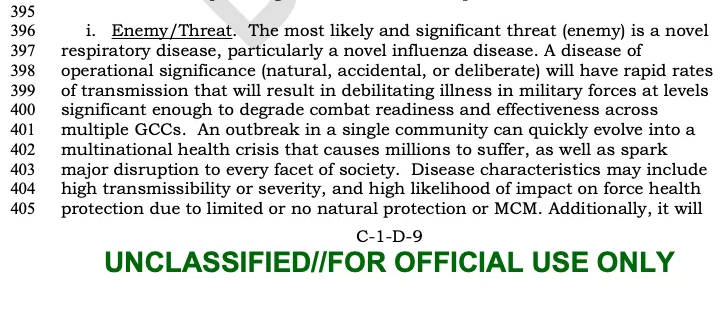
The document, entitled USNORTHCOM Branch Plan 3560 | Pandemic Influenza and Infectious Disease Response, mentions past outbreaks of coronavirus, such as MERS, noting that these types of infections are very common worldwide. It also highlights the hypothetical scenarios that could arise during a global outbreak and the response options by the military. There are also some references to classified material that could provide further insight.
The report’s conclusions undoubtedly have predicted many concerns that materialize in the current COVID-19 pandemic. One section reads:
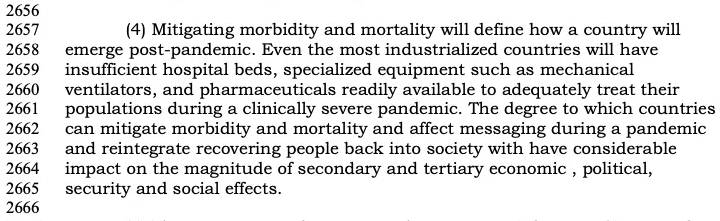
“Even the most industrialized countries will be short of hospital beds and specialized equipment such as respirators, and medications already available to adequately treat their populations during the clinically severe stage of the pandemic.”
The entire document can be accessed and read HERE.
Source | NPR