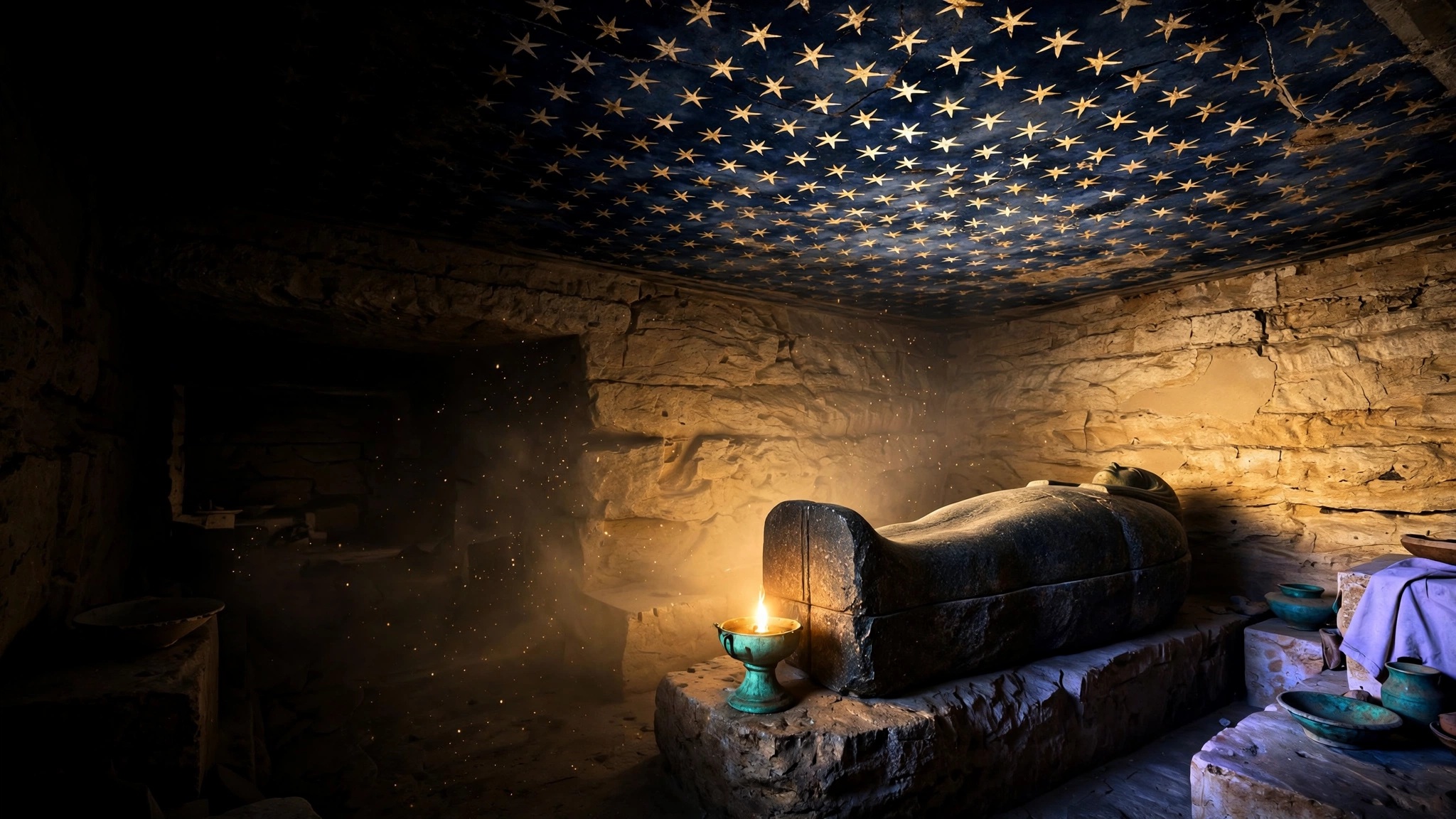
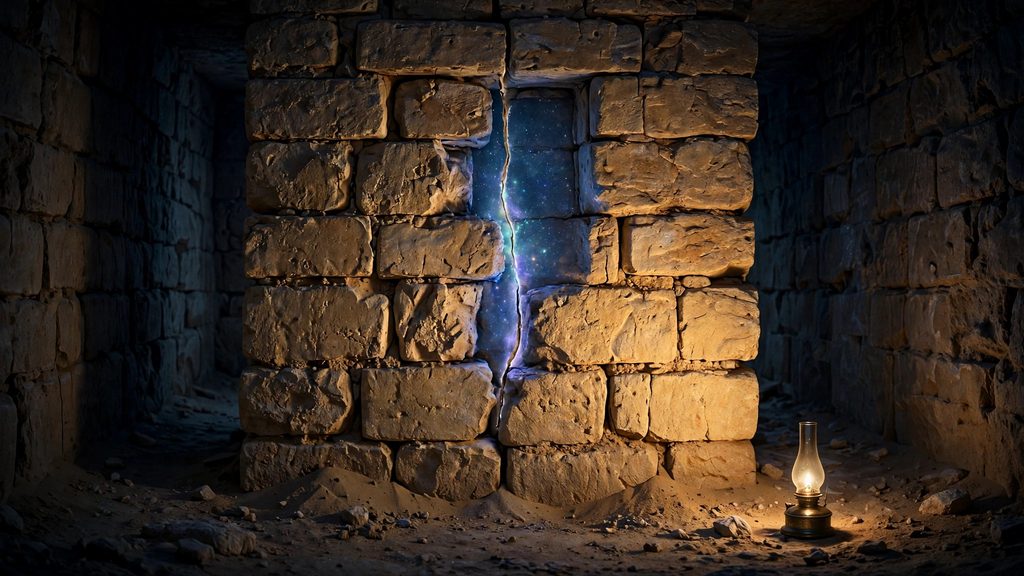
The story spread across the internet in the spring of 2025. Deep beneath the sands of Saqqara, it said, archaeologists had opened a Saqqara queen tomb sealed for more than four thousand years, the resting place of a forgotten queen named Henut. Its ceiling was a map of the heavens, painted with forty-eight constellations. And among them, where no star should be, shone an eighth star in the body of the celestial cow, a record, the story claimed, of a star that exploded in the sky around 2240 BCE.
It had everything. A lost queen, a painted sky, a cosmic event written down by ancient astronomers, and scientists with names that sounded right. It was shared across social media and video channels as one of the great finds of the decade.
There was only one problem. No such tomb has ever been announced, and the scientists in the story cannot be found. Yet the story did not come from nowhere. Saqqara has been giving up its lost queens, and the Egyptians did paint the stars on their ceilings. The history beneath the rumour is richer than the rumour ever was.
The City of the Dead
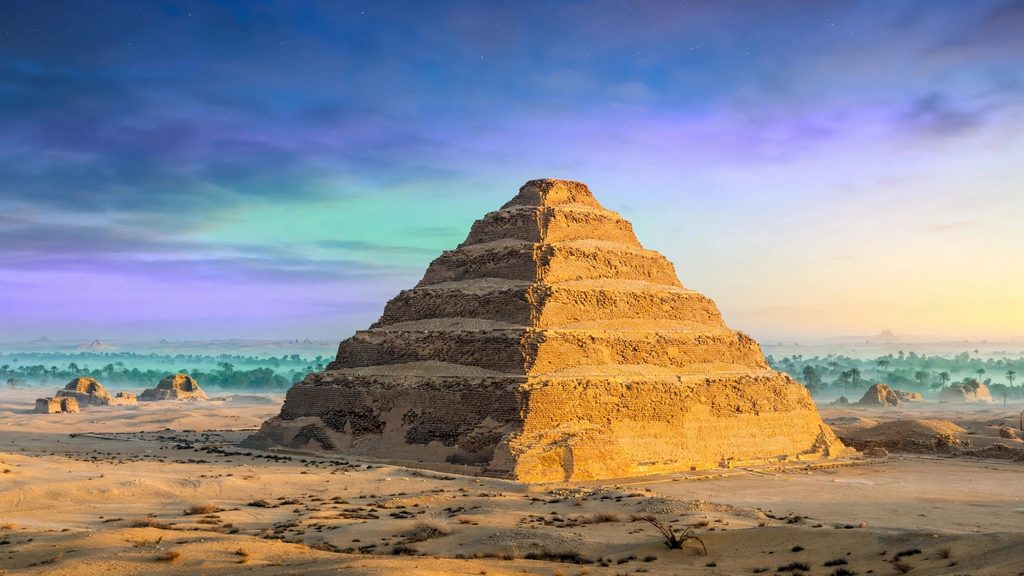
Saqqara stretches for miles along the desert edge west of the Nile, near the ancient capital of Memphis. For three thousand years it was the burial ground of kings, queens and officials. Here stands the Step Pyramid of Djoser, the oldest great stone building in Egypt, and around it lie the pyramids of later kings and the tombs of their courts.
It has never stopped surprising archaeologists. Hardly a year passes without a new tomb, a cache of coffins, a buried workshop or a forgotten name. That is why a story of a new queen at Saqqara sounded so believable.
The Queens Who Came Back
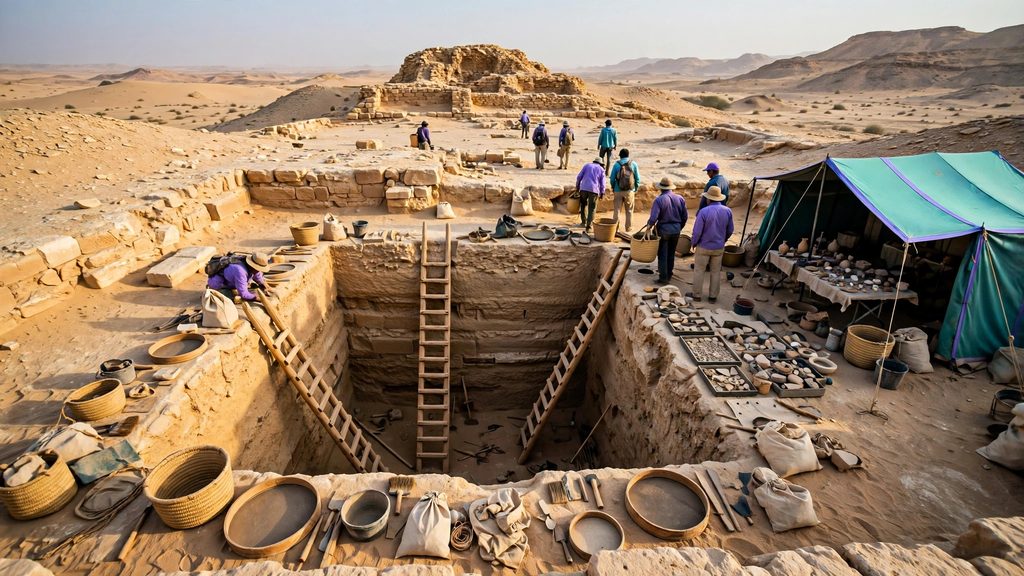
In the years around 2010 a French mission led by the Egyptologist Philippe Collombert uncovered the small pyramid of a queen named Behenu in south Saqqara, near the pyramid of Pepi II, one of the last kings of the Old Kingdom. Inside lay her great granite sarcophagus, and on the walls, the spells of the Pyramid Texts carved for her. She had been forgotten for more than four thousand years.
In January 2021 an Egyptian team led by Zahi Hawass announced another. Near the pyramid of King Teti, they had found the funerary temple of a queen named Neith, unknown until then, along with burial shafts holding dozens of wooden coffins from the New Kingdom. Her name was written on a wall and on an obelisk at the entrance to her temple.
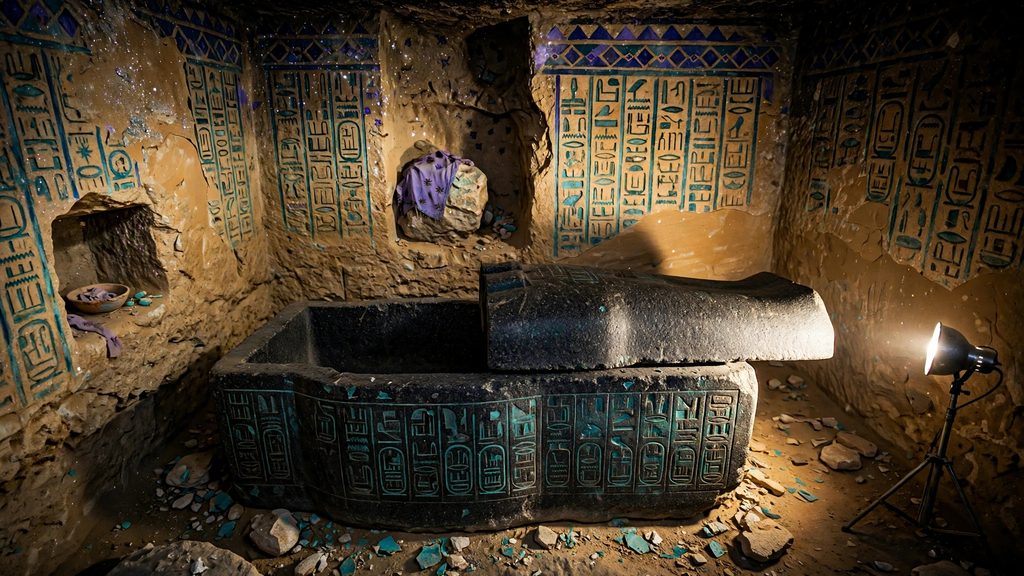
And in January 2025, the team of Philippe Collombert, now at the University of Geneva, announced the tomb of a royal physician named Tetinebefou, chief dentist, director of medicinal plants and conjurer of the scorpion goddess Serqet, who served at the court of Pepi II or a king soon after him. Its painted walls glowed with colour after four thousand years in the dark.
None of these was named Henut. But they show why the rumour found its audience. When Queen Neith’s temple was announced, headlines around the world spoke of the tomb of a forgotten queen, and the phrase lingered, waiting for a story to fill it. Saqqara’s queens do come back.
Queen BehenuAround 2010 · south Saqqara
A small pyramid near Pepi II’s, a granite sarcophagus and Pyramid Texts carved for her.
French mission, Philippe Collombert
Queen NeithJanuary 2021 · near Teti’s pyramid
The funerary temple of a queen unknown until then, with her name on a wall and an obelisk.
Egyptian team, Zahi Hawass
TetinebefouJanuary 2025 · south Saqqara
A royal physician and chief dentist, his tomb walls bright with paint.
Swiss-French team, University of Geneva
Queen Henut2025 · online only
A tomb with forty-eight constellations and a star from a supernova of 2240 BCE.
No team, no announcement, no names that can be traced
The Painted Sky
The Egyptians did paint the heavens on their tombs. In the pyramid of Unas, at Saqqara, around 2350 BCE, the walls of the burial chambers carry the oldest religious writings in the world, the Pyramid Texts, and the ceilings above them are covered in rows of five-pointed stars on a dark ground. The king, the texts say, would rise to join the stars that never set, the circumpolar stars of the northern sky. The pyramid of Pepi II has the same starry ceilings.
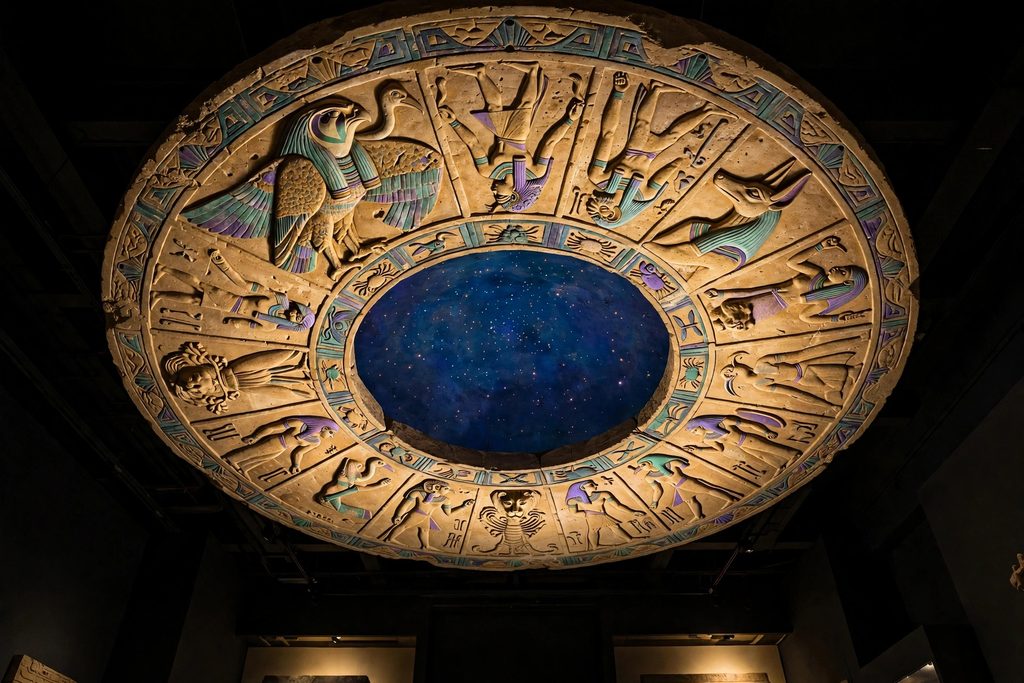
The great maps of named constellations came much later. In the New Kingdom, more than a thousand years after these pyramids, the tomb of Senenmut, the steward of Queen Hatshepsut, held one of the earliest astronomical ceilings with the decans, the stars by which Egyptians told the hours of the night, and figures of the northern constellations. The famous zodiac of Dendera, now in the Louvre, was carved in the first century BCE.
The sky in the rumour, forty-eight constellations painted in an Old Kingdom queen’s tomb, belongs to none of these. Forty-eight is in fact the number of constellations listed by the Greek astronomer Ptolemy, in Alexandria, in the second century CE.
- c. 2350 BCE
Pyramid of Unas, Saqqara
Rows of five-pointed stars over the oldest Pyramid Texts. The king will join the stars that never set.
- c. 2200 BCE
Pyramid of Pepi II, Saqqara
The same starry ceilings in one of the last great pyramids.
- c. 1470 BCE
Tomb of Senenmut, Thebes
One of the first ceilings with the decans and the northern constellations.
- c. 1330 BCE
Shrine of Tutankhamun
The oldest known copy of the Book of the Heavenly Cow.
- c. 1200 BCE
The Cairo Calendar
A papyrus of lucky days with a 2.85-day rhythm, close to the blinking star Algol.
- c. 50 BCE
Temple of Dendera
The round zodiac, now in the Louvre.
- c. 150 CE
Ptolemy, Alexandria
Forty-eight constellations are listed, the number given in the Henut rumour.
A Pharaoh Under a Ceiling of Stars
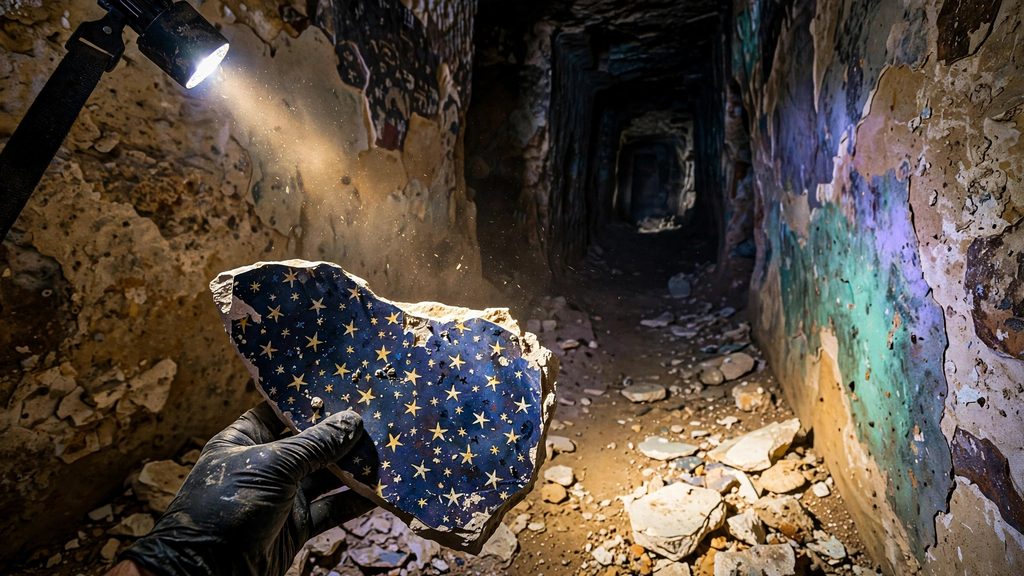
In the same months that the tale of Henut was spreading, Egypt announced a royal tomb with a painted sky. In February 2025 a British and Egyptian team led by Piers Litherland of the University of Cambridge revealed that a tomb cut into the cliffs a little more than a mile west of the Valley of the Kings belonged to the pharaoh Thutmose II, the husband of Hatshepsut. It was the first tomb of a king to be found since Tutankhamun’s in 1922. The team had found its entrance in October 2022, while exploring another tomb in the cliff above, and at first they believed it was the burial of a royal wife.
Then the evidence turned. Fragments of alabaster jars carried the name of Thutmose II. The walls bore passages from the Amduat, the royal book of the hours of the night. And among the debris lay pieces of plaster from a ceiling painted deep blue and scattered with yellow stars. The tomb itself was almost empty. Floods had swept through it, and about five centuries after the king’s death, the excavators believe, priests moved his body and his grave goods to safety. His mummy had already been found in the great royal cache at Deir el-Bahari in 1881.
So a lost royal tomb with a starry ceiling did come to light in 2025. It belonged to a king, not a queen, it lay at Thebes, far to the south of Saqqara, and the people who found it published their names, their photographs and their evidence.
The Cow of the Sky
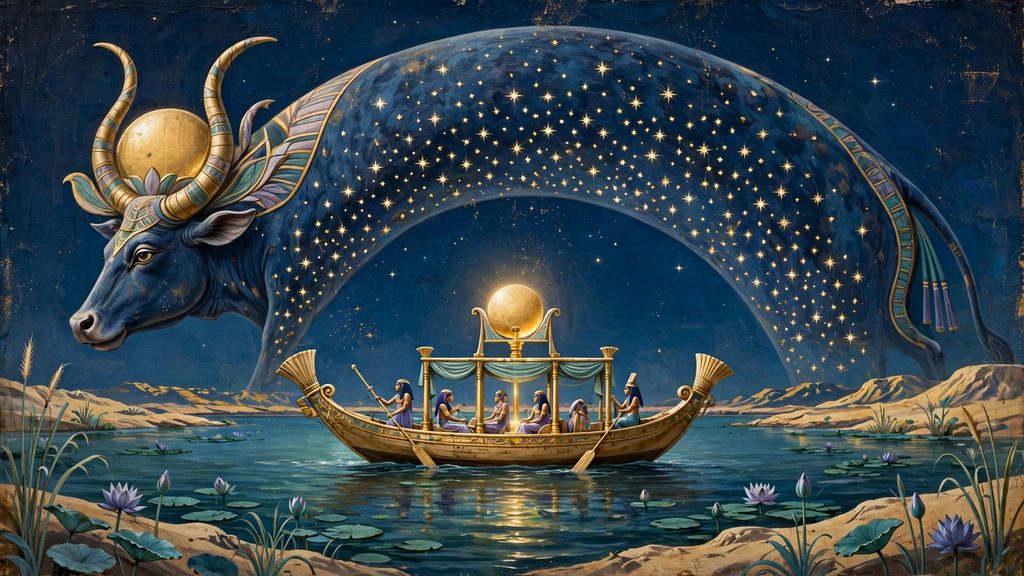
The celestial cow is ancient and true. Egyptians imagined the sky as a goddess, Nut, arching her body over the Earth, and sometimes as a great cow standing over the world, her belly strewn with stars. A text known as the Book of the Heavenly Cow, first found on a gilded shrine of Tutankhamun, tells how the sun god Ra, weary of rebellious humans, rose into the sky on the back of the cow.
In the rumour, an eighth star in the cow’s body recorded an exploding star of 2240 BCE. No ancient Egyptian record of a supernova is known. The oldest supernova that can be matched to a written record was seen by Chinese astronomers in 185 CE. The most famous, in 1054, left the Crab Nebula and was recorded in China, Japan and the Arab world, but nowhere in Egypt’s surviving texts.
The Star the Egyptians May Have Watched
Yet there is a true case of a changing star in Egyptian records, and it is one of the most remarkable discoveries in the history of astronomy. A papyrus known as the Cairo Calendar, from around 1200 BCE, lists lucky and unlucky days of the year. In 2013 a team of astronomers in Finland analysed its patterns and found a cycle of about 2.85 days running through the lucky days. That is almost exactly the period of Algol, the Demon Star in the constellation Perseus, which dims every 2.87 days as one of its two stars passes in front of the other.
If they are right, Egyptian priests were watching a star that blinks, and recording it, some three thousand years before European astronomers explained it. They linked it, the researchers suggest, to the god Horus. It is not a supernova, and it is not in a tomb. But it is in a papyrus that anyone can study.
The Egyptians left other traces of how closely they watched the sky. The sides of the Great Pyramid of Giza are aligned to true north within a small fraction of a degree. In 2000 the Egyptologist Kate Spence proposed in the journal Nature that the builders found north by waiting for two stars, Kochab and Mizar, to stand one directly above the other on either side of the pole. Her idea is still debated, but it shows the kind of astronomy that Egypt’s priests and builders practised, measured in stone rather than painted as a portent.
The Making of a Lost Queen
The rumour of Queen Henut borrowed every true thing it could. Saqqara’s rediscovered queens. The starry ceilings of the pyramids. The cow of the sky. Ancient Egyptians watching the heavens. Even the date it chose, 2240 BCE, falls in the long reign of Pepi II, whose queens and doctors have been emerging from the sand. Henut itself, meaning lady or mistress, is a word that appears in many royal Egyptian names. Henutsen was a wife of Khufu, buried in a small pyramid beside the Great Pyramid at Giza. Henutmire was a queen in the age of Ramesses II. Henuttawy, mistress of the Two Lands, was borne by several royal women of later centuries. A queen called Henut needed no inventing. She only needed a tomb.
That is how the most believable myths are made, not from nothing, but from fragments of the past arranged into a shape that the past never had. Saqqara will give up more queens. Some day one of them may even lie beneath a painted sky. When she does, her name, her tomb and her finders will be there for anyone to see.
The Verdict | Debunked
No tomb of a queen named Henut, with a ceiling of forty-eight constellations and a star marking an explosion in 2240 BCE, has been announced by Egypt’s Ministry of Tourism and Antiquities or by any excavation team, and the scientists named in the story cannot be traced. The Old Kingdom pyramids at Saqqara do have starry ceilings, but maps of named constellations appear more than a thousand years later, forty-eight is Ptolemy’s number from the second century CE, and no Egyptian record of a supernova is known. The queens Behenu and Neith, and the physician Tetinebefou, were found at Saqqara by named teams, and the starry tomb of Thutmose II was found at Thebes in 2025.
Set against all of that, the lost queen of Saqqara falls as Debunked, a story stitched together from true discoveries that never belonged together. The sands have not finished. Saqqara remains one of the busiest excavations on Earth, and its next royal find may be announced at any time, with its finders’ names attached.
- Claim tested
- Archaeologists discovered the tomb of a forgotten queen named Henut at Saqqara, its ceiling painted with forty-eight constellations and a star recording a supernova of 2240 BCE.
- Oldest record
- Rung 5 · Retold
Online posts and videos from 2025, naming researchers who cannot be traced. No announcement by Egypt’s Ministry of Tourism and Antiquities or any mission. - The record supports
- Recent discoveries of queens and officials at Saqqara, starry ceilings in Old Kingdom pyramids, and the Egyptian image of the sky as a cow.
- It does not support
- Any tomb of Henut at Saqqara, any constellation ceiling of that age, any Egyptian supernova record, and any of the scientists named.
- Explanations weighed
- A lost royal tomb, a story assembled from true fragments of Egyptian archaeology and astronomy, and a misdated sky.
- What would change it
- An announcement by Egypt’s antiquities ministry or a named mission of a tomb matching the description.
More of Saqqara’s secrets lie further down the corridor. The royal doctor whose painted tomb opened in 2025 waits in the lost healer of Saqqara, the vast granite boxes of the bull cemetery in the Serapeum, and the doomsday text the necropolis never held, with the mummies that seem to scream, in the message of the dead. Another royal woman whose burial kept its own riddle lies at Giza in the tomb of Hetepheres, and the goddess of the starry Milky Way, herself a cow of the sky, in Hathor. The sky carved at Dendera returns in the Dendera light, every dynasty from Narmer to Cleopatra runs through the timeline of the pharaohs, and the whole cluster opens from the Egypt case files. Saqqara has its pin on the Atlas of Mysteries. Among the rulings gathered in the Verdict Index this one sits with the debunked, because by the measure of the Archive Standard a find with no finders cannot stand.
Quick Answers About the Lost Queen of Saqqara
Was a Saqqara queen tomb with a star ceiling found in 2025?
No tomb of a queen named Henut has been announced by Egypt’s antiquities ministry or any excavation team. The story circulated online in 2025 with researchers whose names cannot be traced.
Which queens have been found at Saqqara?
In recent years, Queen Behenu’s pyramid and sarcophagus were found by a French mission led by Philippe Collombert, and in 2021 Zahi Hawass’s team announced the funerary temple of a previously unknown Queen Neith near the pyramid of Teti.
Did ancient Egyptians paint stars on tomb ceilings?
Yes. The pyramids of Unas and Pepi II at Saqqara have ceilings covered in five-pointed stars. Detailed ceilings with constellations and decans come later, in the New Kingdom.
Did the Egyptians record a supernova?
No Egyptian record of a supernova is known. The earliest supernova linked to a written record was seen in China in 185 CE.
Was a royal tomb with painted stars found in 2025?
Yes, but not at Saqqara. In February 2025 a British and Egyptian team announced the tomb of the pharaoh Thutmose II near Luxor, with fragments of a blue ceiling painted with yellow stars.
What is the Cairo Calendar?
A papyrus of around 1200 BCE listing lucky and unlucky days. In 2013 researchers found in it a cycle of about 2.85 days, close to the period of the variable star Algol, suggesting Egyptians may have watched it.
Who was Tetinebefou?
A royal physician of the late Old Kingdom, chief dentist and conjurer of the goddess Serqet, whose painted tomb at Saqqara was announced by a Swiss-French team in January 2025.