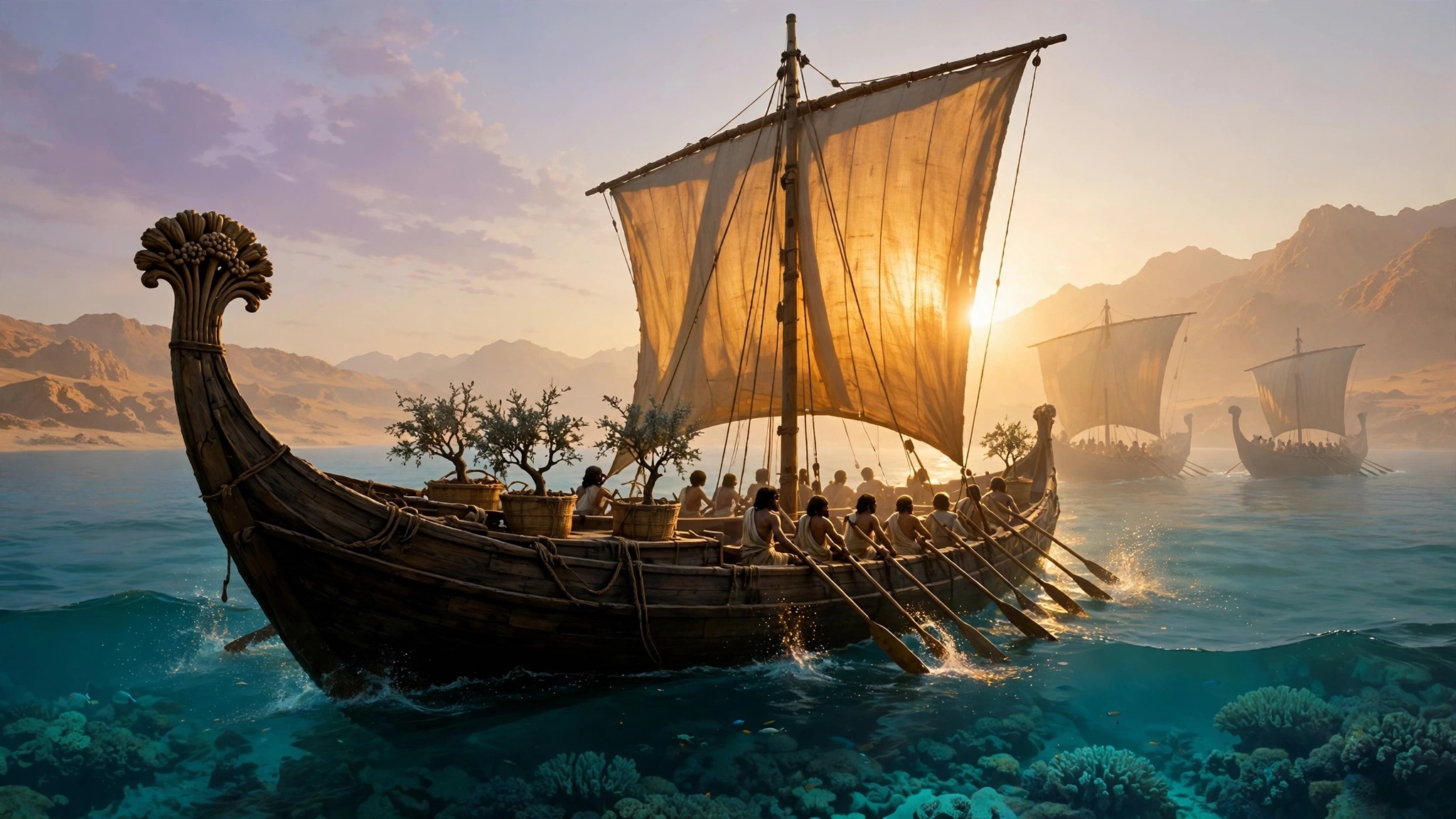
On the west bank of the Nile at Thebes, under the cliffs of Deir el-Bahari, the temple of Hatshepsut holds a voyage carved in stone. Five ships cross a sea full of fish. They reach a village of round houses raised on stilts among palm trees. A chief with a pointed beard comes down to meet them, and behind him walks his queen. Then the ships are loaded until they sit low in the water, with ebony, ivory, gold, leopard skins, baboons, and living trees with their roots wrapped in baskets.
The Egyptians called the place Punt, and sometimes God’s Land. They sailed there for more than a thousand years. Then they stopped, and for nearly three thousand years nobody could say where it had been. Some writers decided it had never been a place at all, only a land of the gods, a dream of incense at the edge of the world.
It was a place. In the last twenty years Punt has been found in pieces, in a row of caves on the Red Sea coast, in the teeth and DNA of mummified baboons, and in the animals the sculptors chose to carve. The pieces fit. They have not yet given up the last secret, which is the exact spot where the ships came ashore.
Thirteen Centuries of Ships to Punt
- Old Kingdom
- c. 2450 BCESahureThe royal annals on the Palermo Stone record an expedition home from Punt with 80,000 measures of myrrh, 6,000 of electrum, malachite and thousands of staves of wood.Annals
- c. 2380 BCEDjedkare IsesiA royal treasurer brings home a dancing dwarf from Punt. Egypt is still talking about it a century later.Remembered
- c. 2270 BCEPepi IIThe boy king writes to his caravan leader Harkhuf, wild to see another dancing dwarf, and compares it to the one from Punt. Harkhuf carves the letter on his tomb at Aswan.Letter
- Middle Kingdom
- c. 2000 BCEMentuhotep IIIThe official Henenu leads an expedition through the eastern desert to send ships to Punt, and leaves an inscription in the Wadi Hammamat.Inscription
- c. 1950 BCETwelfth DynastyA stela above the harbour at Mersa Gawasis lists 3,756 men for one voyage, most of them conscripted workers.Harbour
- c. 1800 BCEAmenemhat III and IVA stela records two voyages, to Punt and to Bia-Punt. Cargo boxes left by the caves carry the words wonderful things of Punt.Harbour
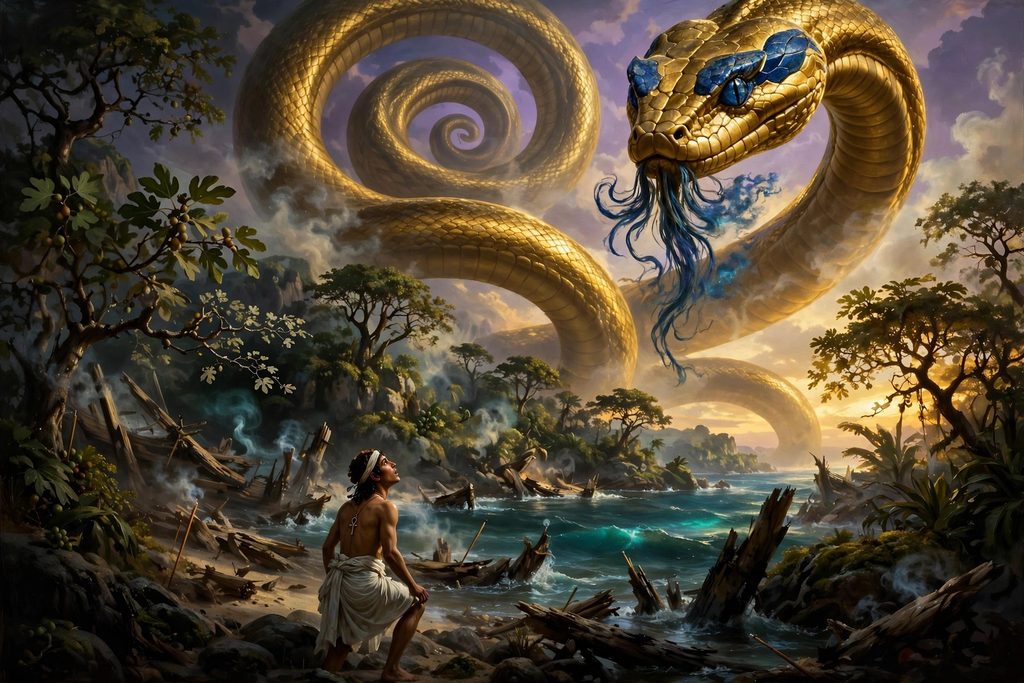
- Same eraA storyThe Tale of the Shipwrecked Sailor. A castaway meets a giant golden serpent who calls himself the Lord of Punt, and the island sinks behind him.Story
- New Kingdom
- c. 1470 BCEHatshepsutFive ships sail in her ninth year. The reliefs at Deir el-Bahari show the village, its chief and queen, the trade, and 31 living myrrh trees carried home in baskets.Relief
- c. 1450 to 1350 BCEThutmose III, Amenhotep IIIThe trade goes on. Puntites appear in tomb paintings at Thebes bringing incense and goods.Paintings
- c. 1160 BCERamesses IIIThe Great Harris Papyrus describes the last recorded expedition, its ships loaded with the goods of God’s Land, unloaded at Coptos.Papyrus
- After
- First millennium BCENo more shipsPunt slips out of the records of trade and into the language of hymns and legend.Legend
God’s Land
The first ships to Punt sailed about 2450 BCE, in the reign of the pharaoh Sahure. His annals, carved on the slab now called the Palermo Stone, record what came back. There were 80,000 measures of myrrh, 6,000 measures of electrum, a gold and silver alloy, along with malachite and thousands of staves of wood. Myrrh was the point. Its resin burned in every temple in Egypt, and the gods were thought to love its smoke. Sahure’s own temple showed him tending a myrrh tree in the garden of his palace, the only scene in Egyptian art of a king at work as a gardener.
Punt brought more than resin. Under the pharaoh Isesi a royal treasurer came home with a dancing dwarf from Punt, and the court never forgot it. About a century later the boy king Pepi II wrote to his caravan leader Harkhuf, who was bringing another dwarf north from the deep south. The child king could hardly wait. He told Harkhuf to guard the dwarf day and night in case it fell into the river, and he compared it to the one brought from Punt in the days of Isesi. Harkhuf was so proud of the letter that he had it carved on the front of his tomb at Aswan, where it can still be read.
Punt was also close to the gods. Hathor, the goddess of love, music and the sky, was called the Lady of Punt. In the Middle Kingdom the Egyptians told a story about a sailor wrecked on an island rich in incense, where a giant golden serpent spoke to him and called himself the Lord of Punt. When the sailor left, the serpent told him he would never see the island again, because it would vanish into the waves. Even while Egyptian ships were still sailing there, Punt was already half a legend.
Ships Carried Across the Desert
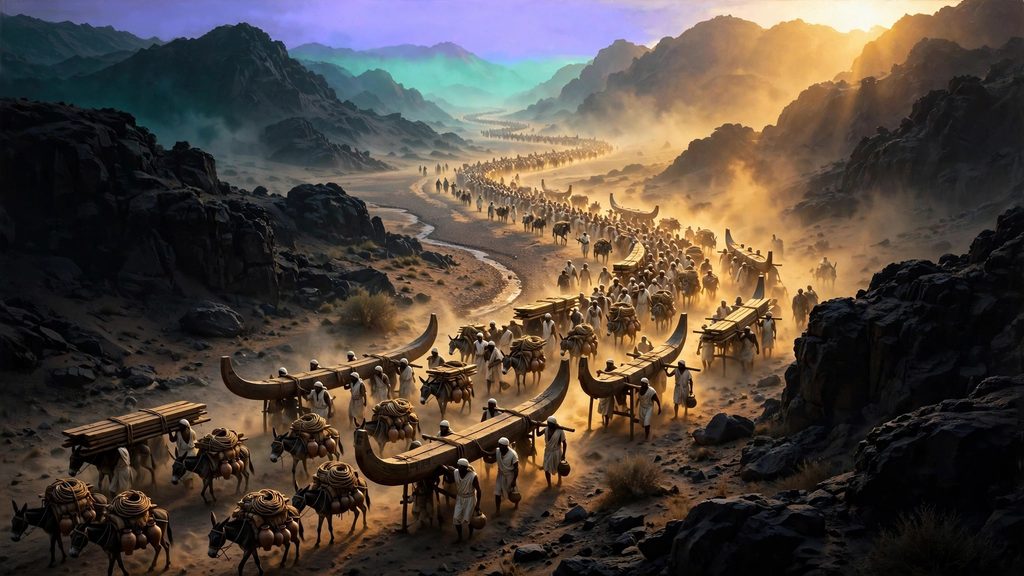
Getting to Punt was one of the hardest things Egypt ever did. The Nile runs north to the Mediterranean, but Punt lay far to the south and east, across the Red Sea. Between the river and the sea lies the eastern desert, a hundred miles of rock and wadi with no water and no timber.
So the Egyptians built their seagoing ships on the Nile, at Coptos, from cedar brought all the way from the mountains of Lebanon. Then they took them apart, plank by plank. The pieces were loaded onto donkeys and carried across the desert, a journey of about ten days, with food for months, rope, tools and water. At the coast the ships were put back together, sailed to Punt and back, and taken apart again.
The numbers were enormous. About 2000 BCE an official called Henenu left an inscription in the Wadi Hammamat recording an expedition sent through the desert to build ships for Punt. A stela from a later voyage, set up on the cliff above the harbour, counts 3,756 men. Most of them were conscripted workers, and most of them never saw the sea beyond the shore. They were there to carry.
The Caves at Mersa Gawasis
On Christmas Day 2004, the archaeologist Kathryn Bard of Boston University was digging with her Italian colleague Rodolfo Fattovich at Mersa Gawasis, a dry inlet on the Red Sea coast of Egypt. Within an hour of starting work her team found the mouth of a cave cut by hand into the fossil coral of the cliff. A few days later they found another.
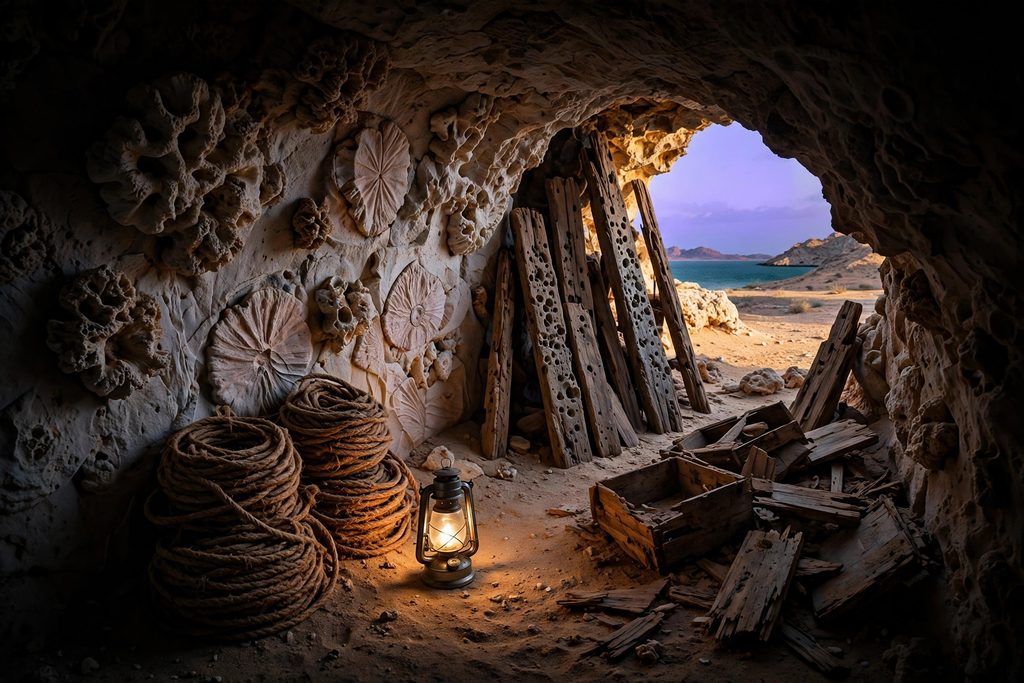
Over the following seasons the team found eight caves. Inside them was the harbour the Egyptians had called Saww, abandoned some 3,800 years ago and almost untouched. There were stone anchors, steering oars of cedar and timbers from seagoing ships, some of them reused to shore up the cave entrances. Many were riddled with holes bored by shipworms, the marine creatures that eat wood in salt water, which proved these ships had sailed the sea. In one cave lay coils of ship’s rope, neatly stacked, about two dozen of them, some as thick as a man’s chest. “It looked to be in great condition, frozen in time,” Bard said.
Outside the caves were more than forty wooden cargo boxes, smashed and empty. Two of them carried the name of the pharaoh Amenemhat IV and a short line in hieroglyphs. It read, the wonderful things of Punt. Bard compared them to packing labels. A stela found face down in the sand records two royal voyages under Amenemhat III, one to Punt and one to a place called Bia-Punt. The last sailors to use the caves sealed them with mud brick and sand, as if they meant to come back.
They never did. The finds settled one question for good. Egyptian ships sailed from this harbour on the open sea, and they sailed for Punt. A few years later the nautical archaeologist Cheryl Ward and a team built a full-size replica of a Punt ship, about twenty metres long, named it Min of the Desert and sailed it on the Red Sea. It worked. Ward estimated that a round trip to Punt would have taken at least four months.
Hatshepsut’s Fleet
The voyage everyone remembers came about 1470 BCE, in the ninth year of the reign of Hatshepsut, the woman who ruled Egypt as pharaoh. According to the inscriptions in her temple, the god Amun himself asked for the expedition. He wanted myrrh trees for his terraces, and Hatshepsut sent five ships to fetch them under her chancellor, Nehsi.
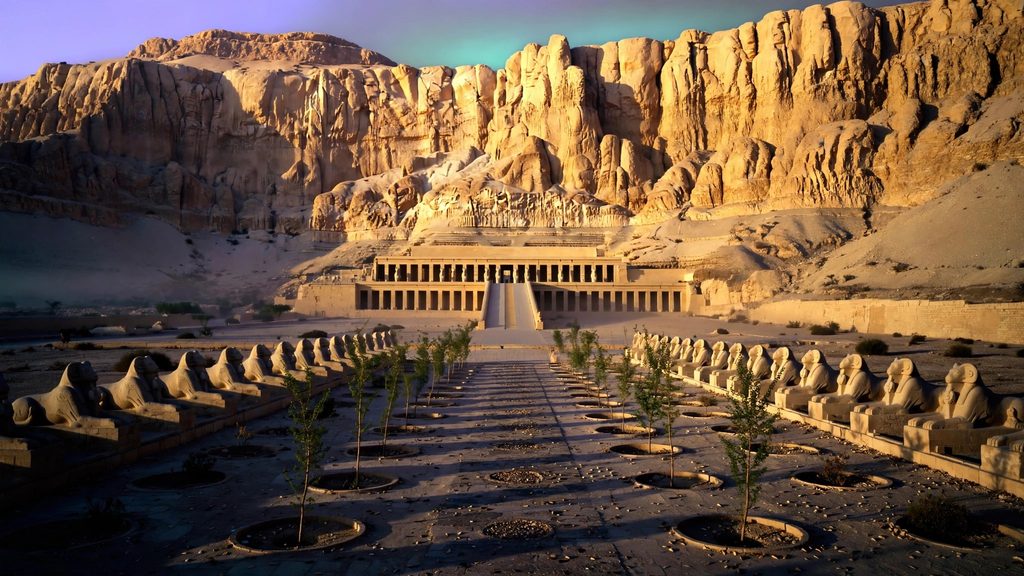
The reliefs on the Punt portico of her temple at Deir el-Bahari are the fullest picture of Punt that survives. They show the ships under sail and oar. They show the village, with domed houses on stilts reached by ladders, standing among palms and incense trees, with cattle grazing underneath. The Egyptians set out their trade goods on a table, necklaces, bracelets, an axe and daggers. Then the Puntites bring their own goods down to the shore.
The sea in the reliefs is full of fish and other creatures, carved with such care that marine biologists have identified the species. They are animals of the Red Sea. On the same walls are giraffes, a rhinoceros, baboons climbing the rigging of the ships, and, spotted by Polish archaeologists in 2018, a secretary bird, the long-legged hunting bird of the African savanna that appears nowhere else in Egyptian art.
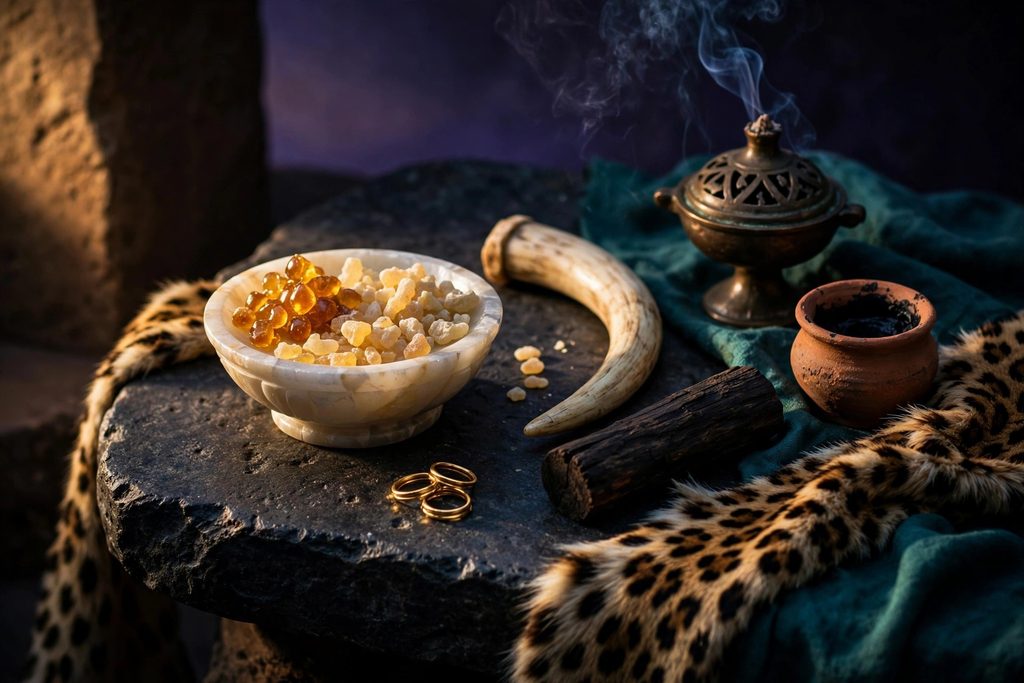
The loading scene is the boast of the whole voyage. The ships are piled with fragrant woods, heaps of myrrh resin, ebony, ivory, gold, cinnamon wood, eye paint, baboons, monkeys, dogs and the skins of leopards, and with 31 living myrrh trees, each with its roots in a basket so that it could be planted in Egypt. Hatshepsut had them set out on the terraces of her temple for Amun, a little Punt brought home to Thebes.
The Queen of Punt
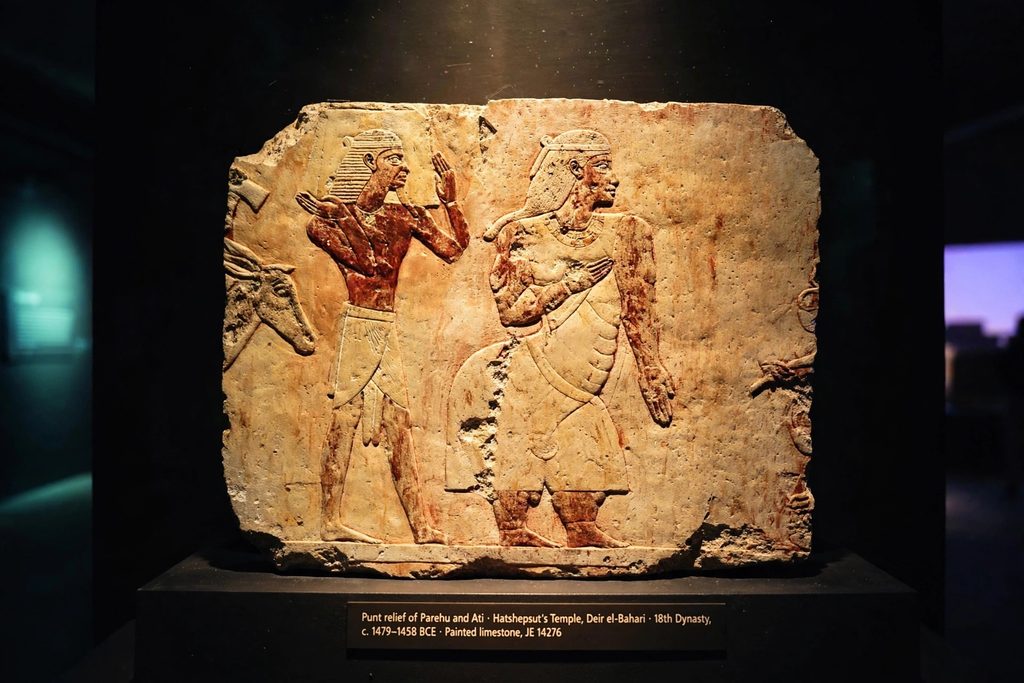
Of all the figures on the Punt walls, one has fascinated visitors more than any other. The chief of Punt, named Parehu, stands with his hands raised in greeting. Behind him is his wife, named Ati. The sculptor gave her a curved back, heavy rolls of flesh and thick legs, a body unlike any other in Egyptian art.
Doctors have offered diagnoses for her for more than a century, from a disorder of fat tissue to a disease of the lymph. Others think the sculptor was showing a Puntite idea of beauty, or of rank. Nobody knows. What is known is that the block carrying her portrait did not stay on the wall. Blocks from the Punt reliefs were taken from the temple in the nineteenth century, some before the archaeologist Auguste Mariette had even published them. Ati’s portrait is now in the Egyptian Museum in Cairo, and a copy fills its place at Deir el-Bahari. Other blocks went to London and Brussels, and some have never been found.
Hatshepsut’s own image on these walls was also attacked. After her death, her stepson and successor Thutmose III had her figures hacked out across her temples, the Punt portico included. The ships, the trees and the queen of Punt survived the chisels. The pharaoh who sent the fleet was very nearly erased.
The Cargo Is a Map
The reliefs never say where Punt was, but they describe it, and the description can be read like a map. Myrrh and frankincense grow on both sides of the southern Red Sea, in the Horn of Africa and in southern Arabia. That is why some scholars, most notably the French Egyptologist Dimitri Meeks, have argued that Punt lay on the Arabian side.
The animals pull the other way. Giraffes, rhinoceroses and secretary birds live in Africa and nowhere else. The Egyptians’ ebony was most likely African blackwood, a savanna tree, and the ivory came from African elephants. The village on stilts and its cattle look like the river country of the African side. Most Egyptologists now place Punt in Africa, somewhere between the coast of eastern Sudan and the Horn, perhaps reaching across the water to Arabia too. The evidence was waiting in another place altogether, in the mummies of the baboons.
The Baboons Who Remembered Home
The Egyptians revered baboons as animals of Thoth, the god of writing and wisdom, and of the rising sun. Baboons do not live in Egypt, so they had to be brought in, and many were mummified when they died. Some of those mummies are in museums today. In their teeth and hair is a chemical record of where they grew up, written in the water they drank and the rock beneath the plants they ate.
In 2010 the primatologist Nathaniel Dominy and his colleagues measured oxygen isotopes in hair from two mummified baboons and found that they matched eastern Ethiopia and Eritrea, not Somalia or Yemen. In 2020 Dominy’s team went further. They tested two New Kingdom baboons held in the British Museum, from the age of the great Punt voyages, against 155 modern baboons from 77 places in East Africa and Arabia. Strontium in the ancient teeth showed both animals had been born outside Egypt, most likely in the region of Eritrea, Ethiopia and northwestern Somalia. “Baboons were central to this commerce,” Dominy said, “so determining the location of Punt is important.”
In 2023 a team led by Gisela Kopp of the University of Konstanz took on the hardest test of all, ancient DNA. They tried ten baboon mummies. Only one gave usable DNA, a baboon from Gabbanat el-Qurud near Thebes, from about 800 to 540 BCE, now in the Musée des Confluences in Lyon. Its genes were closest to baboons living today on the coast of Eritrea, near the ancient port of Adulis. “Maybe the earlier Punt was in a similar location to where Adulis was established,” Kopp said. The Lyon baboon lived centuries after the last recorded voyage, so it cannot place Punt on its own. But three studies, using three different methods, point at the same corner of Africa.

Where Was Punt?
The route
- ThebesDeir el-Bahari. Hatshepsut’s temple and the Punt reliefs.
- CoptosWhere the ships were built, then taken apart for the desert.
- Mersa GawasisThe harbour of Saww, its caves full of ships’ timber and rope.
- AdulisLater port on the Eritrean coast. The baboon DNA points here.
Where was Punt?
- StrongEritrea and the Sudan coastBaboon DNA and isotopes, the animals in the reliefs, Egyptian goods in eastern Sudan of the right age. Kathryn Bard favours eastern Sudan.
- StrongEthiopia, Djibouti and northern SomaliaIsotopes from the baboons, myrrh and incense trees, and the modern name of Puntland.
- Possible, in partSouthern ArabiaIncense grows on both shores, and the Egyptologist Dimitri Meeks argued for the Arabian side. Giraffes and rhinos do not live there.
- No supportFar shoresIndia, Sri Lanka and other distant lands. No find or text supports them.
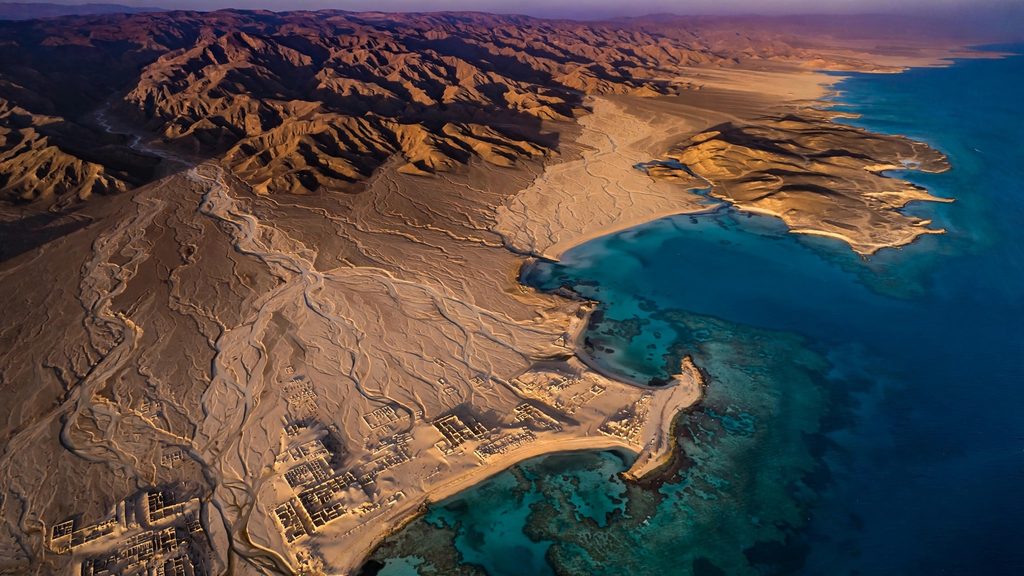
The strongest case now places Punt on the African side of the southern Red Sea, in the lands of modern Eritrea and eastern Sudan, reaching into Ethiopia, Djibouti and northern Somalia. Bard herself favours eastern Sudan. Archaeologists working there have found Egyptian pottery and beads, with Red Sea shells, among the remains of a culture called the Gash Group, which flourished in the right centuries and traded both with Egypt and the coast. In 1998 the autonomous region at the tip of the Horn of Africa took the name Puntland in its honour.
Other ideas have come and gone. Early Egyptologists, among them Flinders Petrie and Wallis Budge, suggested that Punt might have been the homeland the first Egyptians came from, because the texts call it God’s Land. That idea has not survived the evidence, which shows Punt as a trading partner, not an ancestor. Others have placed Punt in India or Sri Lanka, or on the far side of the ocean. No find and no text supports them.
Punt may never have been a single spot. It may have been a stretch of coast and hinterland, or a name for wherever the incense came from, which moved over a thousand years as people and markets moved. The best guess today is that the ships came ashore near the place where, much later, Greek and Roman traders found the port of Adulis.
When Punt Became a Legend
The last recorded expedition sailed under Ramesses III, about 1160 BCE. The Great Harris Papyrus describes the fleet coming home loaded with the goods of God’s Land and unloading at Coptos for the journey back to the Nile. After that, the voyages stop. Egypt grew weaker and poorer, and the long, costly road across the desert fell out of use.
Punt did not disappear from Egyptian minds. It moved into hymns and poems as a distant land of perfume and plenty, the place where the sun god rose. That is how Punt became a mystery. A country of traders and herders, visited for thirteen centuries, was remembered only as poetry, until a cave on the Red Sea and a baboon in a museum brought it back.
Egypt was not the only ancient world that lost a trading partner to legend. The silver kingdom of Tartessos in southern Spain went the same way, and later writers tried to turn it into Atlantis. The goddess who was called the Lady of Punt has her own file, Hathor, and the pharaohs who sent the ships, from Sahure to Ramesses III, are set out in order in the Timeline of the Pharaohs.
The Verdict | Documented
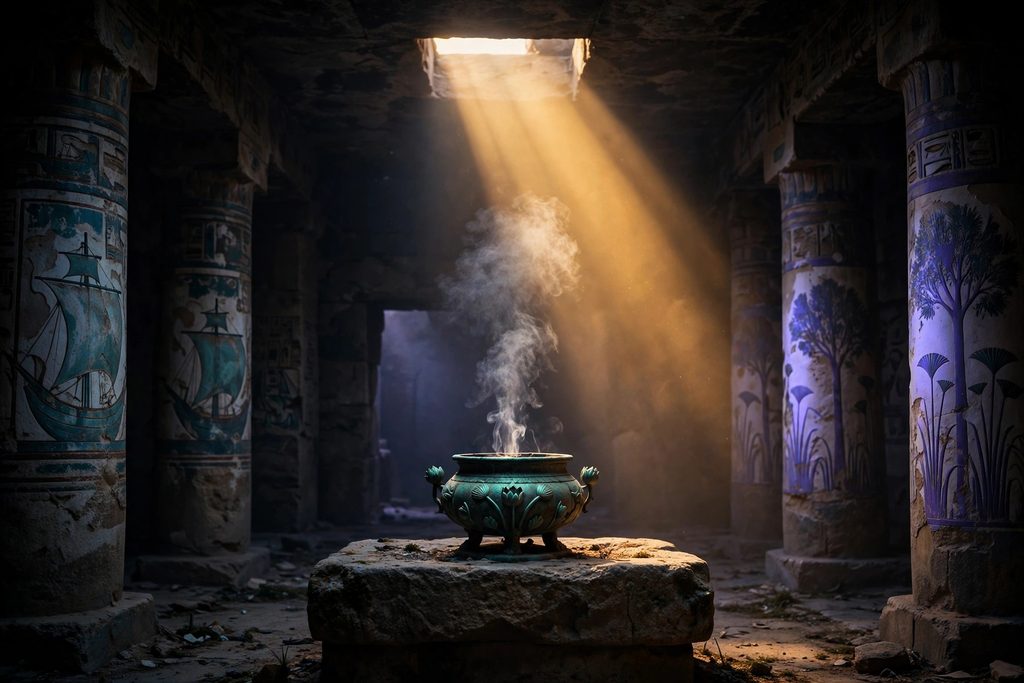
Punt existed. Egyptian annals, letters, inscriptions, reliefs and papyri record voyages there across thirteen centuries. A harbour on the Red Sea has given up the ships’ timbers, the rope and the cargo boxes marked for its wonderful things. The animals in Hatshepsut’s reliefs live in the southern Red Sea, and baboons born in that region were carried to Egypt, mummified and buried.
So the file is stamped Documented. The stamp is about the claim that Punt was a land of this world that Egyptian ships reached and traded with. It does not settle where exactly Punt was, and nothing in the record gives it a capital, a king list or a map. That part of the mystery remains open. Somewhere on the coast of the Horn of Africa, under the sand, may lie the beach where Nehsi’s sailors set out their table of beads and axes. Nobody has found it yet.
- Claim tested
- Punt, the land the Egyptians called God’s Land, was a country of this world that Egyptian ships reached across the Red Sea and traded with for more than a thousand years.
- Oldest record
- Rung 1 · Made at the time
The Palermo Stone’s record of Sahure’s expedition, about 2450 BCE. Then a harbour on the Red Sea used for Punt voyages about 1950 to 1800 BCE, and Hatshepsut’s reliefs of about 1470 BCE. - The record supports
- Voyages over thirteen centuries in annals, letters, stelae and papyri. A harbour at Mersa Gawasis with ships’ timbers, rope and cargo boxes labelled for Punt. Reliefs showing animals and goods of the southern Red Sea. Mummified baboons born in the region of Eritrea and Ethiopia.
- It does not support
- A precise location, a capital city or a map. Nor the old idea that Punt was the homeland the first Egyptians came from, or that it was a land of myth alone.
- Explanations weighed
- The coast of Eritrea and Sudan, the lands of Ethiopia, Djibouti and northern Somalia, southern Arabia, both shores of the southern Red Sea together, and distant lands such as India.
- What would change it
- Nothing short of showing that the harbour, the boxes and the reliefs record somewhere else. A Punt site found on the ground would fix its location and add to this file, not change the stamp.
The other case files on Egypt are gathered in Ancient Egypt | The Case Files. Every verdict in the archive is listed in the Verdict Index, and the rules behind the stamps are set out in the Archive Standard. Mersa Gawasis and Deir el-Bahari are pinned in the Atlas of Mysteries.
Quick Answers About the Land of Punt
### Did the Land of Punt exist?
Yes. Egyptian records describe voyages to Punt from about 2450 to 1160 BCE, and archaeologists have found the Red Sea harbour at Mersa Gawasis that the ships sailed from, with cargo boxes labelled with the wonderful things of Punt.
### Where was the Land of Punt?
Its exact location has not been found. Most scholars place it on the African side of the southern Red Sea, in what is now Eritrea, eastern Sudan, Ethiopia, Djibouti or northern Somalia. Studies of mummified baboons point to Eritrea and Ethiopia. A minority of scholars argue for southern Arabia.
### What did Egypt get from Punt?
Myrrh and frankincense above all, as resin and as living trees, along with ebony, ivory, gold, electrum, leopard skins, eye paint, fragrant woods, and live animals including baboons and monkeys.
### Who was the Queen of Punt?
Her name was Ati, the wife of the chief Parehu. She appears in the reliefs of Hatshepsut’s expedition at Deir el-Bahari, about 1470 BCE. The original block showing her is in the Egyptian Museum in Cairo.
### How did Egyptian ships reach Punt?
The ships were built on the Nile at Coptos, taken apart, carried about 160 km across the eastern desert on donkeys, rebuilt at the harbour of Mersa Gawasis and sailed south down the Red Sea. A round trip took at least four months.
### Why was Punt called God’s Land?
Because it supplied the incense burned for the gods in every Egyptian temple, and because it lay to the east, toward the sunrise. Hathor was called the Lady of Punt.