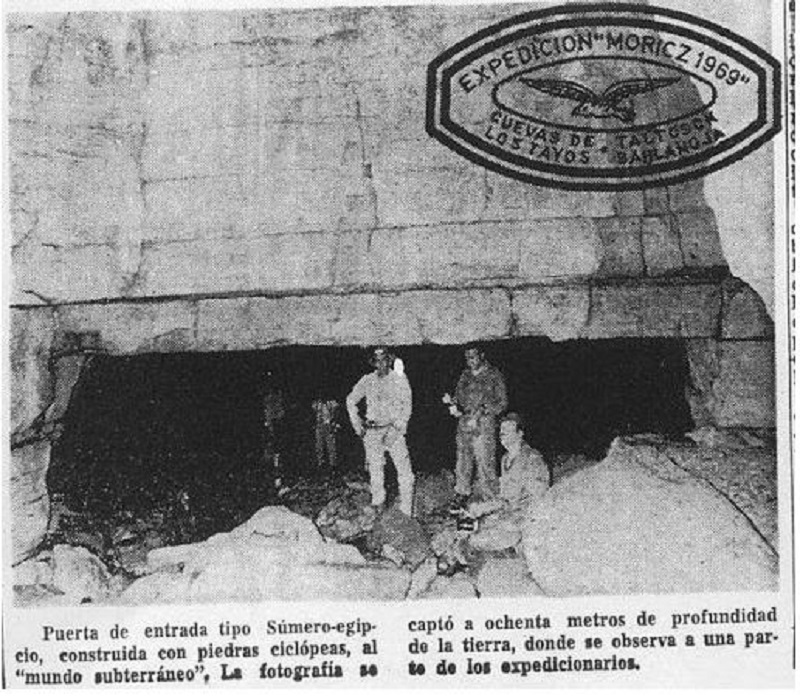





Few Soviet-era legends have traveled as far as the tale of the Tisul Princess, a tale of Siberian miners, a marble sarcophagus, and a woman preserved for hundreds of millions of years in a shimmering pink liquid. It’s genuine folklore with a traceable publication history, not a fabricated internet invention.
What it isn’t is verified archaeology, and one specific claimed connection to a 1961 Egyptian excavation appears nowhere in the legend’s actual documented history.
The Legend, as It’s Actually Told
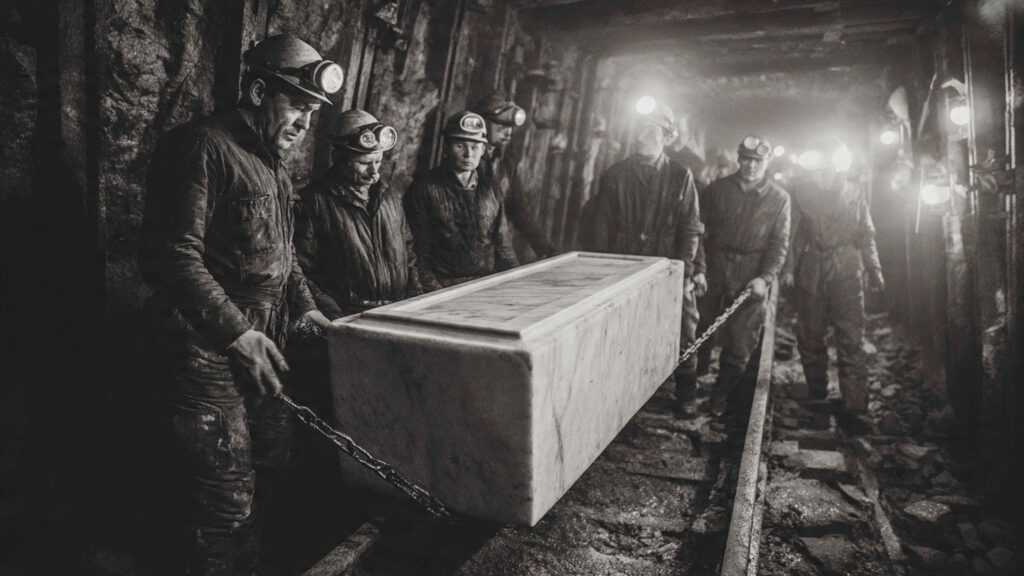
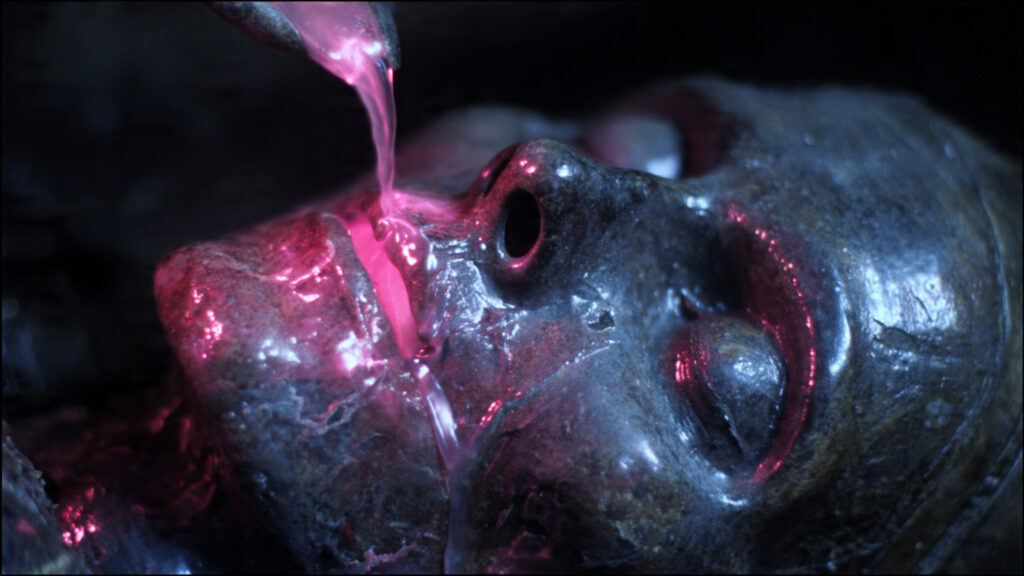
The core narrative is consistent enough across retellings to summarize plainly. In September 1969, in the village of Rzhavchik, in the Tisulsky district of Russia’s Kemerovo region, coal miners working a deep seam allegedly struck a carved marble sarcophagus some seventy meters underground. Inside, submerged in a shimmering pink and blue liquid, lay the perfectly preserved body of a young woman, showing no signs of decay despite the coal seam around her being formed hundreds of millions of years earlier, long before any animal life resembling a human could have existed. Men in gray protective suits are said to have arrived within hours, declared the site contaminated, confiscated the sarcophagus, and quietly erased the mining records for that section of the site.

Where the Legend Actually Comes From
Tracing it back reveals a real publication history rather than a decades-old cover-up. The tale entered wider Russian popular culture through journalist Oleg Kulishkin’s article in the regional newspaper Khakassia in 2002, more than three decades after the alleged event, and gained further reach through Russian tabloid coverage and a sensationalist segment on the network REN TV, a channel known for pseudo-documentary programming rather than investigative journalism. Kulishkin’s own account traces his information to a single unnamed former KGB officer, dying and reportedly wanting to unburden his conscience, a classic folklore transmission chain: secondhand testimony, decades removed from the alleged event, funneled through exactly one source who can no longer be questioned.
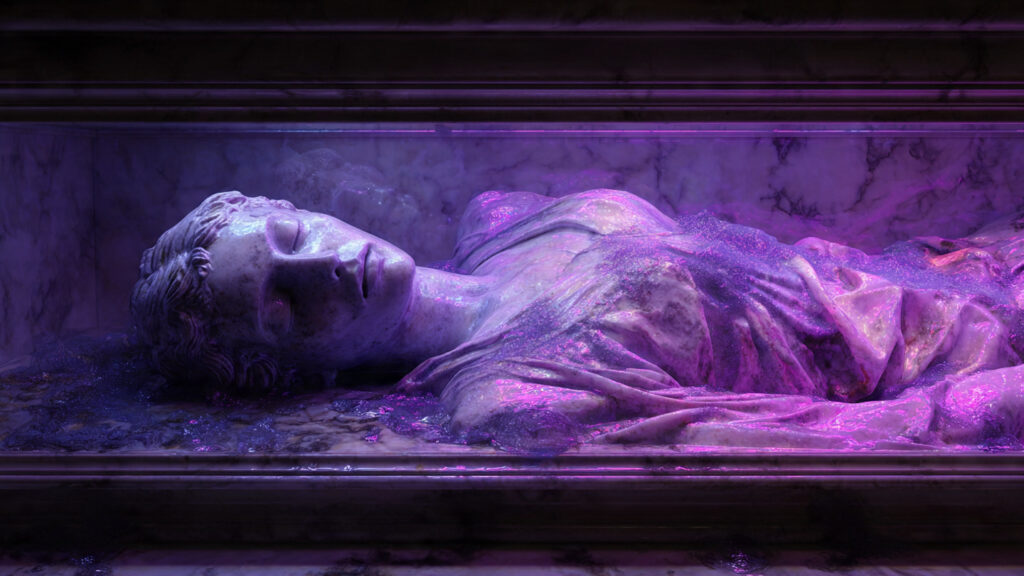
The legend has also visibly mutated the way folklore does. Different retellings variously add or omit details, six fingers on each hand, a third eye, a star-shaped tattoo, paranormal telepathic abilities, that don’t appear consistently across versions, the signature of an account passed through retelling rather than preserved from a single documented source. No credible archaeological institution, Russian or international, has ever verified the discovery, examined the sarcophagus, or published findings on it. Despite decades of retellings, no verifiable contemporary photograph of the alleged excavation, sarcophagus, or preserved body has ever surfaced.

Extraordinary archaeological discoveries leave independent traces. A marble sarcophagus recovered from an operating Soviet coal mine would have involved miners, engineers, transport workers, local officials, and geological documentation. No independently verifiable mining records, excavation reports, museum records, or contemporary newspaper coverage from 1969 have been produced. The story appears in print only decades later through a single anonymous source.
Why the Timeline Doesn’t Work
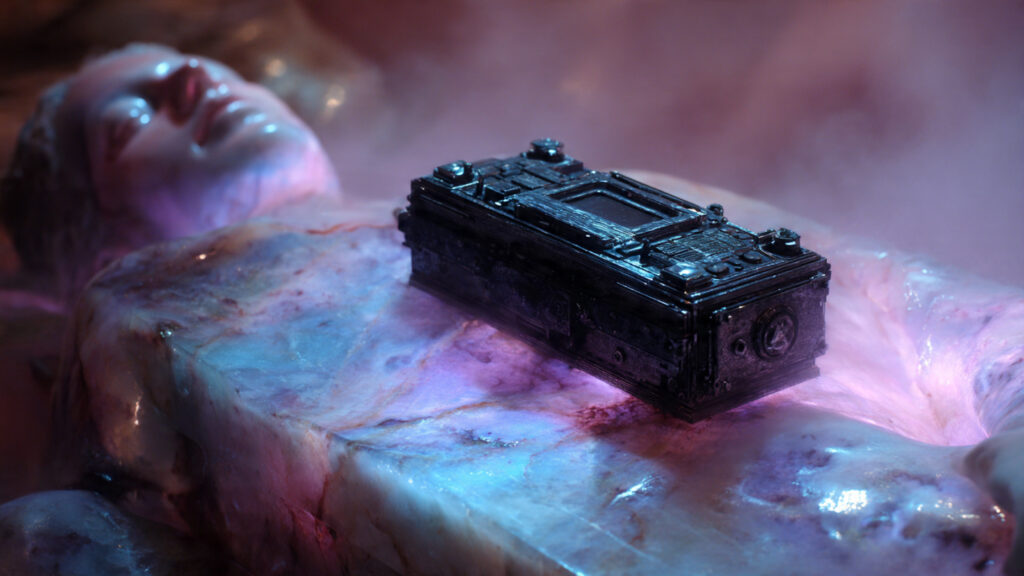
The specific age claimed for the coal seam is worth examining on its own scientific terms, since it’s the detail that makes the account impossible rather than merely unverified. Coal seams of Carboniferous origin do date to roughly 300 to 360 million years old, a real geological fact. But no anatomically modern human, and nothing resembling one, existed anywhere on Earth at that point. The first hominids appear in the fossil record roughly six million years ago. Homo sapiens specifically dates to roughly 300,000 years ago. A human body genuinely embedded in 300-million-year-old strata isn’t an unexplained anomaly requiring an advanced lost civilization. It’s a chronological impossibility on the same order as finding a wristwatch in a dinosaur fossil, the kind of internal contradiction that marks a tale as legend rather than as an unexplained discovery awaiting verification.
The Giza Connection Doesn’t Appear in the Actual Legend
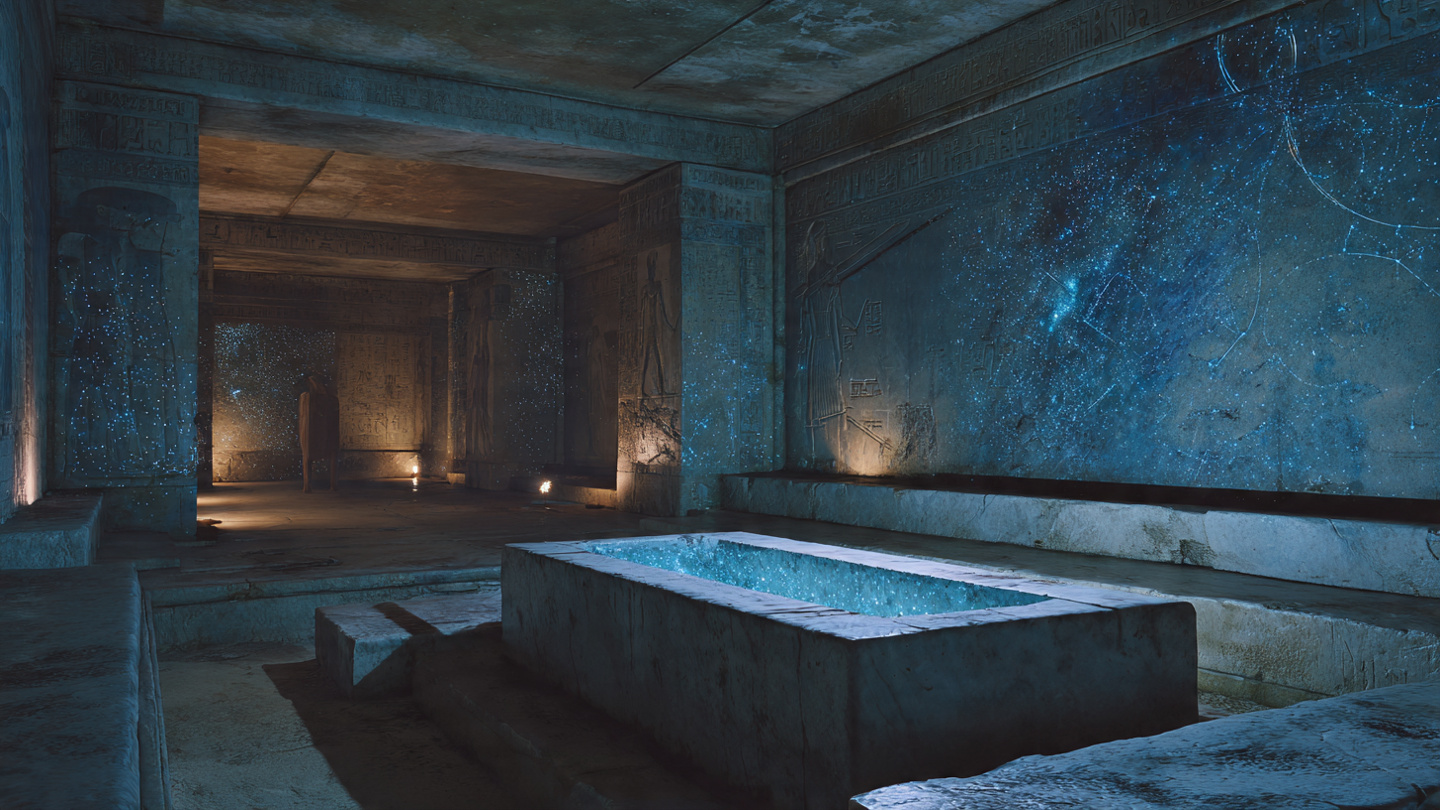
This is worth being direct about. Searching the documented history of the Tisul Princess legend, including Kulishkin’s original 2002 article, subsequent Russian-language coverage, and the various English-language retellings that followed, turns up no established connection to a 1961 KGB operation in Egypt, a Giza Plateau excavation, or a second stasis chamber dubbed “the Visitor.” Every documented version of the Tisul legend is a self-contained Siberian account. The Operation Isis connection appears to be a later addition layered onto the established folklore rather than a documented part of it, exactly the kind of embellishment that happens when one piece of internet-era mythology gets grafted onto an older, more established one to make both seem more corroborated than either actually is.
A Real Legend, Traced Honestly
None of this requires an invented Egyptian counterpart to be worth taking seriously as a piece of modern folklore. The Tisul Princess is a genuine, well-documented Russian urban legend with a traceable publication history: a 2002 newspaper story built on secondhand testimony, amplified by tabloid and pseudo-documentary media, mutating across retellings the way folklore reliably does, and undermined at its core by a timeline that’s biologically impossible on its own terms. That’s a legitimate subject for cultural and folkloric study, part of the same broader tradition as any other Cold War-era Soviet secrecy legend. It isn’t a verified archaeological discovery, and it isn’t part of a documented global network of ancient stasis chambers, since the second half of that claim doesn’t trace back to any version of the story that predates this particular retelling of it.