




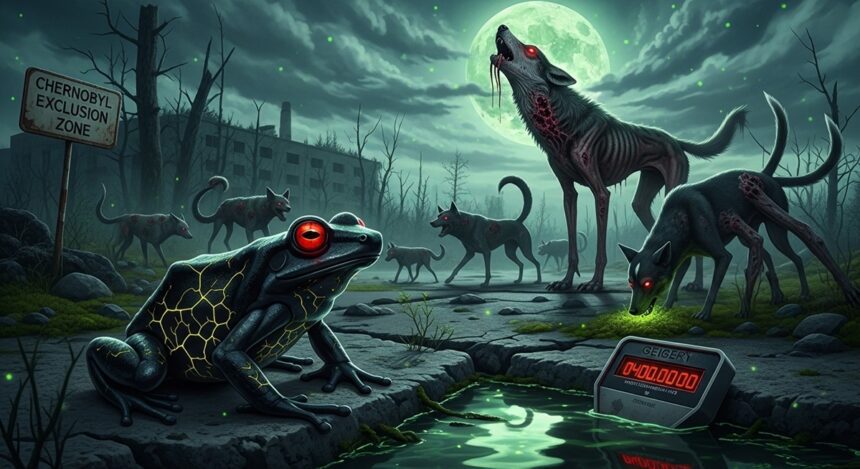
On April 26, 1986, at 01:23:45 AM, the fourth power unit of the Chernobyl nuclear power plant exploded, an event that released roughly 400 times more radioactive material than the Hiroshima bombing. The world watched in horror as the 30-kilometer exclusion zone was sealed, becoming synonymous with barren, uninhabitable death.
That was the human assumption for many years. Published and ongoing research over the following decades has found something considerably more interesting than a simple wasteland, though a few of the specific claims that have circulated about it online need direct correction.
Life did not merely persist in the Chernobyl Exclusion Zone. Under the pressure of ionizing radiation, documented evolutionary change has compressed into a few decades what would ordinarily take far longer. Frogs have turned black across roughly ten generations. Chernobyl dogs show measured genetic divergence from other dog populations. These are published findings.
The Relentless Filter | Accelerated Evolution Under Pressure
When people retreated from the exclusion zone, nature reclaimed the territory. Researchers from the University of Oviedo, led by biologist Germán Orizaola, have published studies confirming accelerated rates of biological change observed in several zone species.
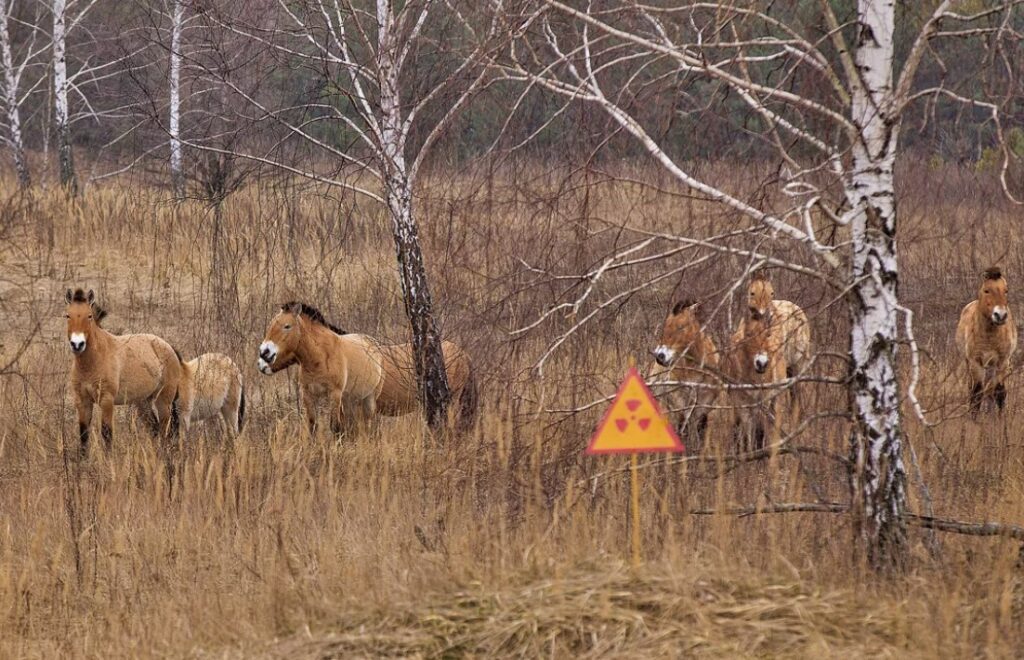
The underlying mechanism is straightforward evolutionary biology: the relentless, mutagenic stress of radiation created an extreme selective filter. Individuals with mutations conferring immediate protection survived and reproduced. Others did not. This is standard natural selection operating under unusually intense pressure, not a mysterious force.
The Black Tree Frogs
One of the most striking and well established adaptations occurred in Eastern tree frogs (Hyla orientalis). A published 2022 study led by biologist Pablo Burraco found that across roughly ten generations, the population of these normally bright green amphibians within the zone had shifted toward a much darker, near-black coloration.

This finding ties to melanin, the dark pigment, which published research has shown can help absorb and neutralize some ionizing radiation, offering cellular protection. In the contaminated environment, published data indicates darker frogs experienced a survival advantage over lighter-colored individuals.
Comparable environmental melanism in nature has typically been observed over far longer timescales in other species. The published Chernobyl frog data represents a compressed evolutionary timeline, evidence of natural selection acting with unusual speed and intensity.
The Chernobyl Wolves, Precisely Corrected
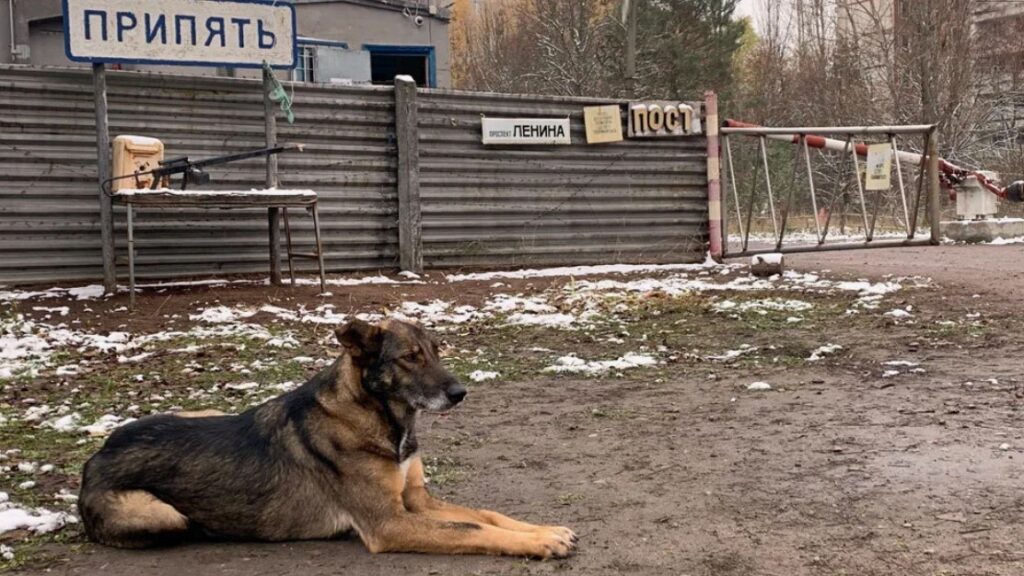
This needs precise, direct correction, since the underlying research has been widely overstated in secondary reporting circulating online. Princeton researcher Cara Love has studied Chernobyl Exclusion Zone wolves since 2014, fitting them with GPS collars and radiation dosimeters that measured elevated radiation exposure, roughly six times the safe human limit.
What Love’s research, presented at the 2024 Society for Integrative and Comparative Biology meeting, actually found: the wolves’ immune systems show genetic alterations similar to those seen in human cancer patients undergoing radiation treatment, and specific genomic regions associated with cancer resistance. Love’s own on-record characterization is that this suggests the wolves have developed increased odds of surviving cancer, careful, hedged language rather than a claim of immunity. “These wolves do not get cancer, at all” is not a claim Love or Princeton’s own official communications have made, and a nuclear science outlet has specifically flagged this exact style of “mutant wolves with superpowers” framing as sensationalized relative to the more measured underlying research.
This research was presented at an academic conference, a legitimate venue for sharing findings, but distinct from a fully peer-reviewed published paper, meaning the specific genetic mechanisms described remain under continued active study rather than fully settled science.
The Dogs of the Zone
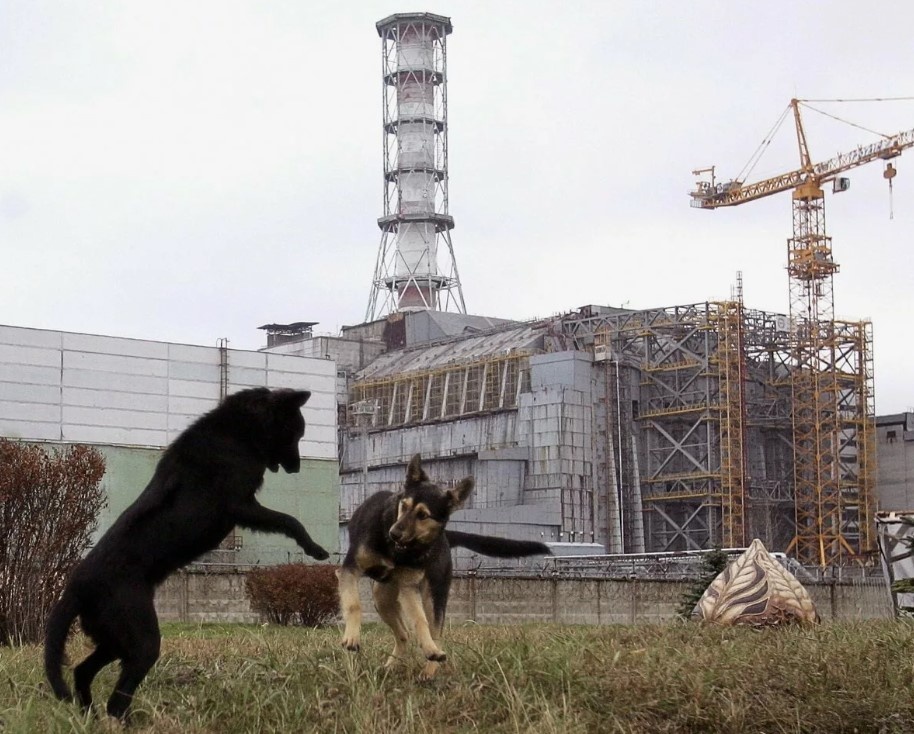
Published genetic research, including work involving the National Institutes of Health, has studied dog populations descended from pets abandoned during the 1986 evacuation. This research has found genetically distinguishable populations between dogs living near the Chernobyl plant itself and those in the nearby city, evidence of genetic divergence developing over the population’s roughly 39-year history in the zone. The precise number of unique genomic regions identified varies somewhat across different published analyses, worth confirming against the specific paper cited rather than treating any single figure as final while this research remains active.
Researchers studying these populations describe radiation as acting as a severe selective filter, an accurate, standard evolutionary biology framing consistent with the rest of the zone research.
The Paradox of Protection | Worms and Birds
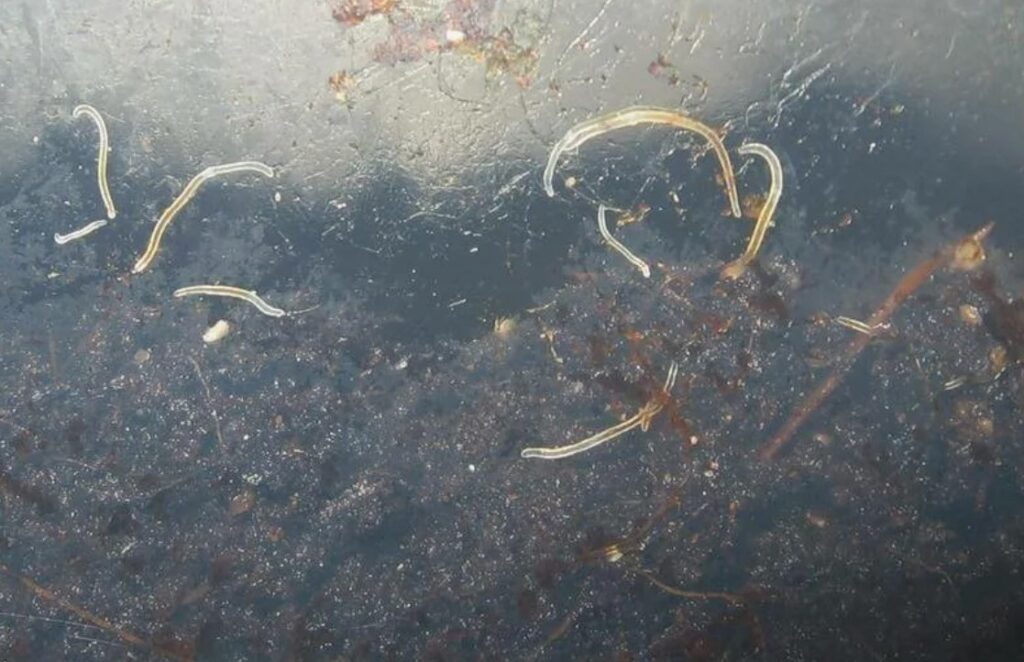
A published 2021 study on nematodes, tiny worms, collected from the zone found their genomes showed no detectable, unusual signs of radiation damage compared to worms from uncontaminated areas, a surprising result. Researchers have proposed competing explanations, including the worms’ naturally short generation cycles potentially allowing many generations of natural selection to filter out vulnerable individuals quickly.
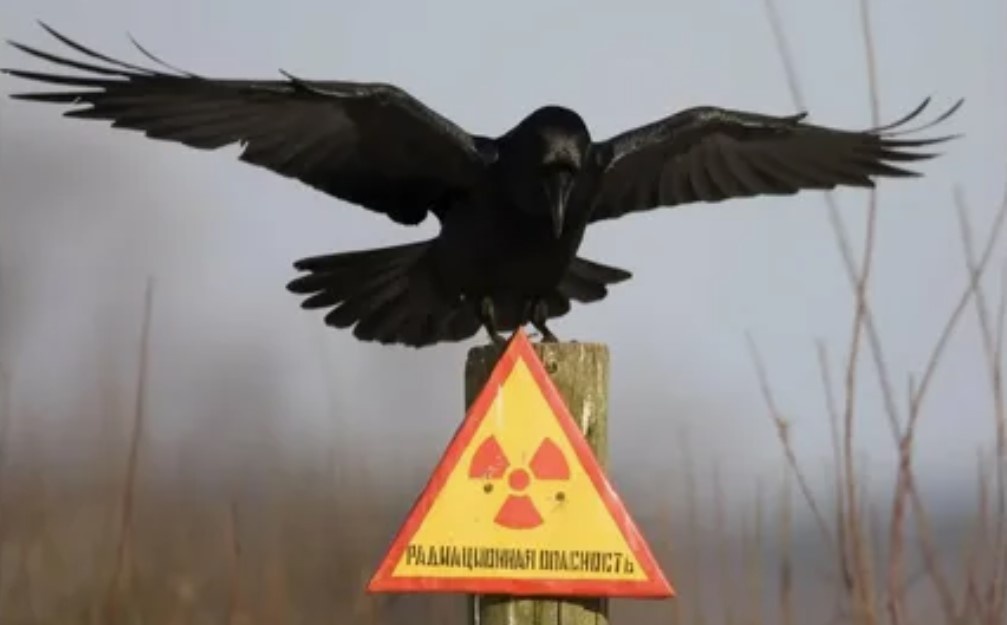
A published international study found birds from more contaminated zone areas showed higher antioxidant levels, biological compounds that help neutralize the free radicals radiation exposure generates, than birds from cleaner areas, a finding suggesting an adaptive physiological response.
The Drunken Forest
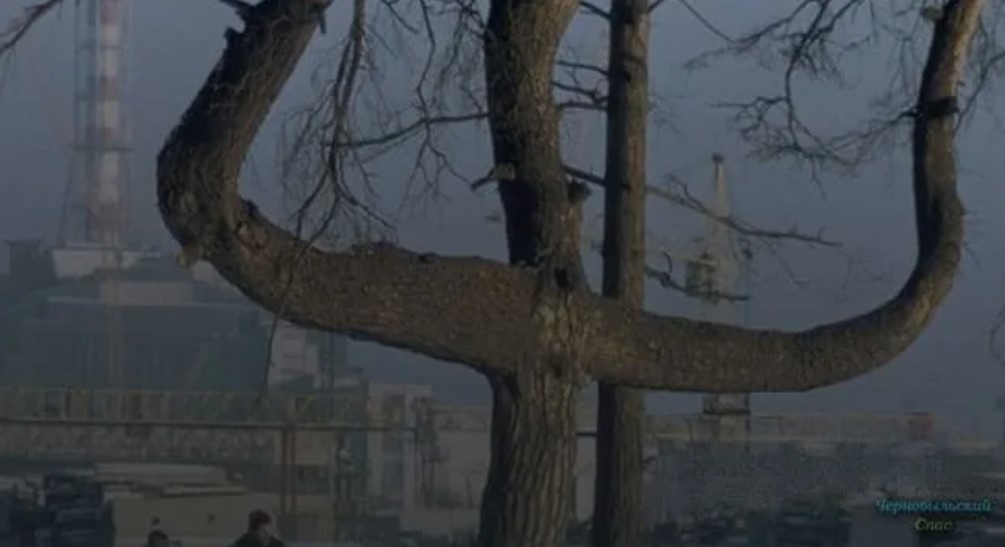
The well established “red forest” and twisted pine growth near the plant reflects severe radiation damage in the most contaminated areas. Separately, experimental research growing Arabidopsis plants from zone-collected seeds found increased resistance to mutagens and altered DNA methylation patterns, an epigenetic mechanism allowing genes to switch activity without changing the underlying DNA sequence.
Why Melanin Actually Helps Against Radiation
Understanding the chemistry behind this adaptation makes the frogs’ rapid color shift explicable rather than merely striking. Published research, including studies on fungi found growing inside the damaged Chernobyl reactor itself, has shown that melanin can undergo a measurable chemical process called radiosynthesis, absorbing gamma radiation and converting a portion of that energy into a form the organism can use, functioning somewhat like a radiation-tolerant analog to photosynthesis. Researchers first documented this phenomenon in fungal species discovered thriving on the walls of the reactor’s ruined containment structure, an extreme environment where few other organisms could survive at all, let alone show evidence of actively metabolizing the radiation itself. This mechanism explains why the black tree frogs’ color shift wasn’t just camouflage or coincidence, but a biochemically active form of protection actively favored by natural selection under the zone’s sustained radiation exposure.
Comparisons to Fukushima
A second disaster site offers researchers an opportunity to test whether Chernobyl’s patterns generalize. Comparative research from Fukushima, Japan’s 2011 nuclear disaster site, offers a second data point for evolutionary biologists studying radiation’s effects on wildlife. Published research on Fukushima-area wildlife has found some comparable patterns to Chernobyl, including documented physiological changes in certain insect and bird populations, though researchers studying both sites note important differences in contamination levels, ecosystem types, and the shorter time elapsed since the Fukushima disaster compared to Chernobyl’s now nearly four-decade history. This ongoing comparative research across two distinct nuclear disaster sites is helping scientists distinguish which observed changes represent general patterns of radiation-driven evolutionary pressure versus site-specific factors unique to Chernobyl’s particular ecosystem and contamination profile.
Ongoing Institutional Monitoring of the Zone
This sustained institutional commitment is what has made nearly four decades of credible longitudinal data possible in the first place. International bodies including the International Atomic Energy Agency continue ongoing radiation monitoring across the exclusion zone, and research stations, including the Chernobyl Radioecology Initiative and academic field stations, host researchers from multiple countries conducting continuous long-term ecological studies. This sustained institutional presence, spanning nearly four full decades now, is precisely what makes the zone such a valuable, if tragic, scientific resource: few other locations on Earth offer researchers this combination of a precisely dated starting point, sustained radiation exposure, and decades-long continuous access for study. War-related disruptions since Russia’s 2022 full-scale invasion of Ukraine have significantly complicated this ongoing research access, with widely reported temporary Russian military occupation of the plant site itself in the invasion’s early days, adding a significant additional layer of complexity to sustaining this valuable long-term research effort.
How Researchers Actually Collect This Data
The methodology itself is a quiet part of this story worth appreciating alongside the wildlife findings. Field teams use camera-trap networks placed across the zone to track animal populations without requiring repeated human presence in the most contaminated areas, and GPS and radiation-dosimeter collars, like those used in Love’s wolf research, allow scientists to gather continuous movement and exposure data remotely rather than through direct observation. Researchers entering the zone itself follow strict radiation safety protocols, including dosimeter monitoring of their own exposure and limits on time spent in the most contaminated sectors. This careful methodology is what has allowed nearly four decades of research to accumulate safely, part of the scientific story alongside the wildlife findings themselves.
The Cruel Lesson | Humans, Not Radiation, Are the Bigger Threat
These findings deserve tempering with the considerable cost. Radiation kills. In the disaster’s initial years, recorded severe mutations and mortality occurred across zone wildlife populations. Researchers studying today’s surviving populations are necessarily studying survivors, an acknowledged methodological consideration.
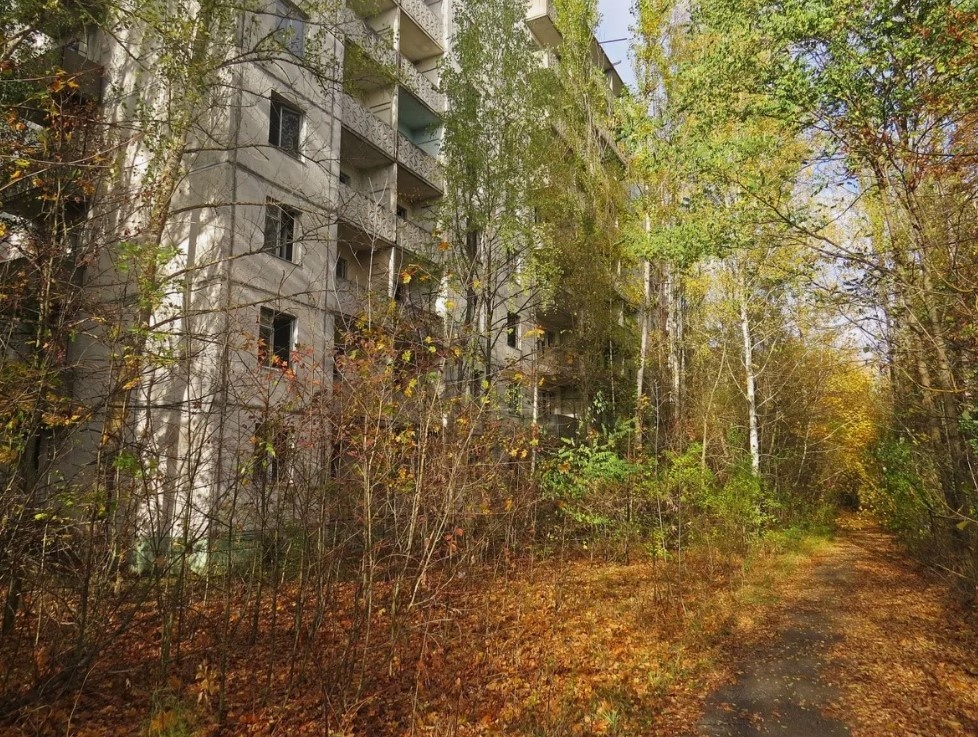
Despite this, the well established paradox stands: the exclusion zone has become a thriving wildlife refuge, with verified population increases in wolves, bears, lynx, and reintroduced bison, evidence that the sustained absence of humans has mattered more for these populations than chronic radiation exposure.
What Comes Next
Nearly 40 years on, radiation levels across most of the zone have declined substantially, though the genetic changes confirmed in zone wildlife populations remain, heritable traits passed to descendants.
Ongoing research continues to investigate whether these mechanisms could inform human applications, including cancer research and radiation-protection science, work still in progress rather than settled application.

Chernobyl is both a tragedy and an unusual, ongoing natural experiment in accelerated evolution under extreme pressure. The science is remarkable enough without needing the exaggerated framing that has grown up around some of its most compelling findings, particularly the wolves, whose story is “developing increased resistance,” not “immune to cancer,” a distinction that matters both for scientific accuracy and for setting realistic expectations about what this remarkable research might eventually deliver for human medicine.