




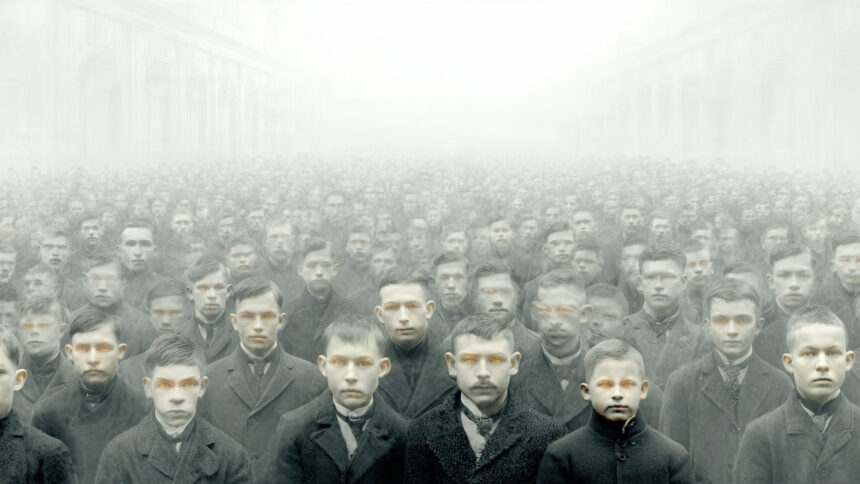
Twenty-seven million is a documented number, and it was never supposed to mean twenty-seven million different people. The World’s Columbian Exposition ran for six months, May 1 through October 30, 1893, and the figure counts total gate admissions across those 184 days, not unique visitors. Chicago Day alone, October 9, drew an actual, recorded single-day crowd of 751,026, a documented world attendance record for an outdoor event at the time. Multiply sustained daily crowds like that across six months, factor in season passes and repeat visits, which period accounts confirm were common, and the “impossible” total stops being impossible.
“Staff,” the material that gave the fair its buildings and statues, checks out too, a genuine, well-documented 19th-century mixture of plaster, cement, and jute, covered extensively in period engineering journals. Getting the actual math and materials right doesn’t make 1893 less remarkable. It replaces an invented demographic mystery with a genuine, still-impressive feat of six-month civic engineering.
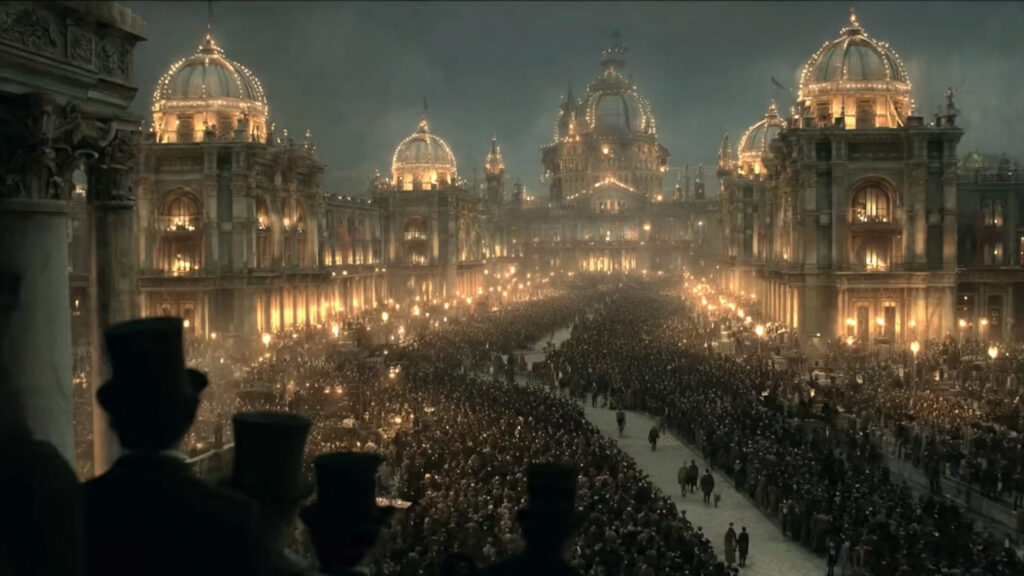
What the Twenty-Seven Million Actually Counted
The precise arithmetic deserves attention, because the actual explanation is simpler than a demographic mystery. Fair organizers and contemporary press reported 27 to 27.5 million total admissions across the exposition’s full six-month run, a gate count, not a census of distinct individuals. Fifty-cent tickets and discounted multi-day passes were widely sold, and Chicago residents in particular are documented returning repeatedly across the season, a single enthusiastic local visiting a dozen times would register as a dozen admissions in that total. The documented single-day record, 751,026 people on Chicago Day, shows just how concentrated attendance could get on peak dates, entirely consistent with a cumulative six-month total in the tens of millions without requiring anything close to half the national population to physically relocate even once. Historians studying the exposition’s own financial records note the fair’s debt was paid off through ticket revenue exactly matching this pattern of heavy, repeated attendance rather than one-time mass migration.
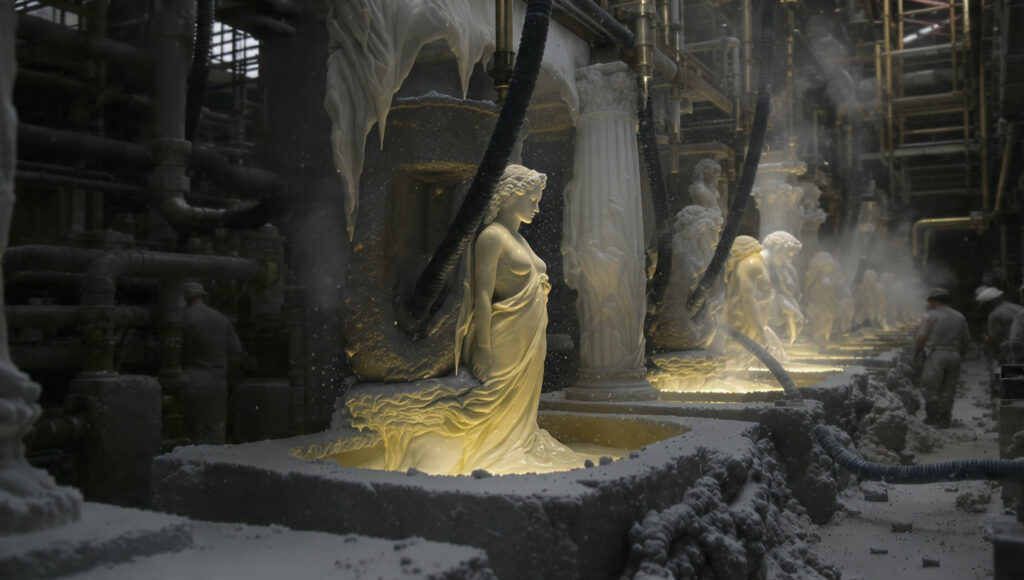
“Staff” Was Ordinary, Documented Engineering
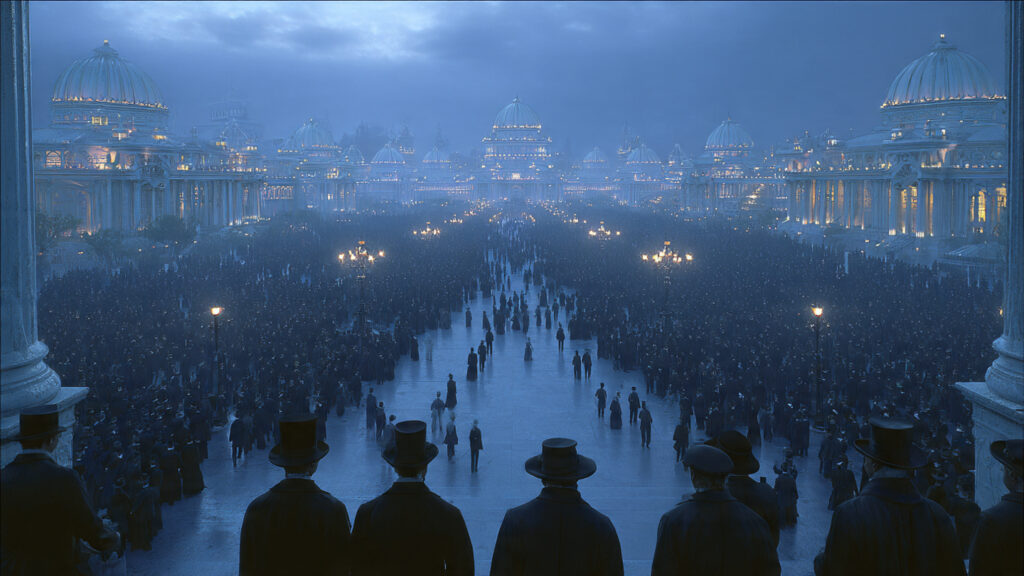
The material itself is genuinely well documented, described in period technical literature rather than reconstructed from mystery. Joseph Kendall Freitag, assistant engineer for the exposition, published a detailed account of staff construction in the November 1891 issue of Engineering Magazine, explaining that a plaster, cement, and jute fiber mixture was applied over wood and steel frameworks specifically to create the appearance of marble at a fraction of the cost and time actual stone construction would require. Roughly 500,000 individual cast pieces were used across the exposition’s main buildings alone, molded, assembled, and painted white to produce the “White City” effect, exactly the kind of rapid, cost-conscious temporary construction organizers openly described in their own published engineering accounts at the time. Genuine stone architecture from the same era exists throughout Chicago and survives today specifically because it wasn’t built from staff. The distinction between the two was well understood by the engineers who built the fair, not a secret later generations had to rediscover.
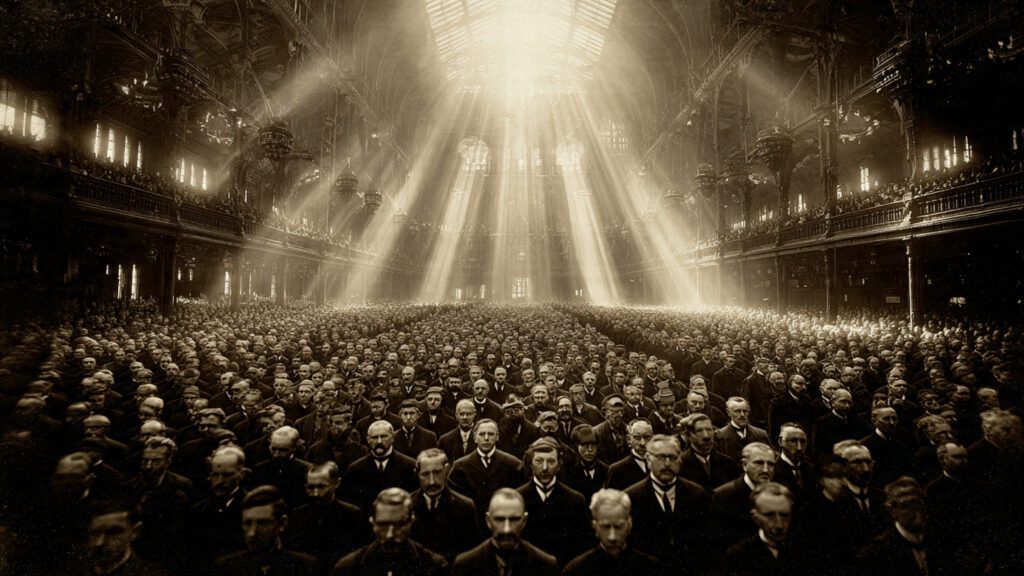
The History the “Ethnological” Framing Obscures
The exposition’s darker history deserves direct, honest naming rather than vague implication. Its Midway Plaisance did include documented ethnological displays presenting colonized and Indigenous peoples for visitors’ observation, a genuinely troubling and well-studied piece of the fair’s actual history, extensively criticized by historians for reflecting and reinforcing the era’s racial hierarchies and imperial attitudes. That history deserves to be named plainly as the documented racism it was, not gestured at obliquely as evidence of “biological atlases” serving an unspecified hidden program. Frederick Douglass and Ida B. Wells were among contemporary Black leaders who publicly protested the fair’s near-total exclusion of Black Americans from meaningful participation, a documented act of contemporary resistance. The fair’s genuine social history is disturbing enough on its own accurate terms. It doesn’t need a fictional population-replacement narrative layered on top to carry weight.
The Orphan Trains Had a Documented, Different Purpose
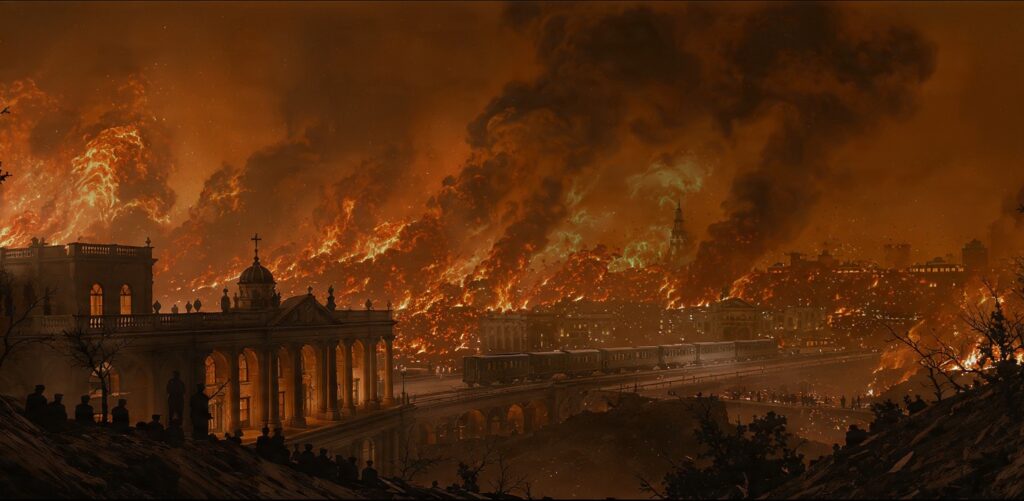
The orphan-train claim is worth correcting precisely, since the actual program had a well-documented, entirely different motivation than population engineering. The orphan trains operated from 1854 to 1929, organized primarily by Charles Loring Brace’s Children’s Aid Society in response to a genuine, severe crisis of orphaned and impoverished children in East Coast cities, relocating an estimated 200,000 children to foster placements, mostly with farm families, across the Midwest and West. Historians have genuine, legitimate criticisms of the program, inadequate screening and oversight among them, but its documented purpose and organizational record trace to addressing an actual urban child welfare emergency, decades before the 1893 fair, not supplying “a new gene pool” for cleared territory. The fires that struck American cities across the 19th century, meanwhile, have actual, individually documented causes, Chicago’s 1871 fire traced to a specific area of the city’s largely wooden construction during a drought, a well-studied historical event with its own extensive investigative record, not a coordinated reset.
What the Fair Actually Was
None of the genuine history here needs an invented conspiracy to stay significant. The 27 million figure is documented and arithmetically sound once understood as cumulative admissions across six months rather than unique visitors. Staff construction is genuine, openly described in period engineering journals, a genuine achievement of rapid, economical building. The fair’s ethnological displays and its exclusion of Black Americans are documented, troubling history that deserves to be named honestly rather than mythologized into something stranger. And the orphan trains addressed an actual, specific 19th-century crisis with their own separate, well-documented history. The actual White City, built fast, built cheap, and visited obsessively by a public living through economic collapse, is already a remarkable story. It doesn’t need ghosts.
The Resonance Archives